The global aviation industry is currently navigating its most significant operational fracture since the 2020 lockdowns, but this time the culprit isn't a virus—it is a "black hole" in the sky. As the conflict following the US-Israeli strikes on Iran intensifies, the primary transit corridor between Europe and Asia has effectively vanished. Boeing Global Services President Brendan Nelson recently warned that the financial hit to airlines is no longer a forecast; it is a present-tense disaster.
While the headlines focus on the geopolitical chess match, the arithmetic in the cockpit is brutal. For decades, the industry's profitability has relied on the hyper-efficiency of Gulf hubs like Dubai, Doha, and Abu Dhabi. With those airspaces now largely shuttered or deemed high-risk, the "Great Rerouting" has begun, and the costs are staggering.
The Death of the Hub and Spoke Efficiency
The Middle East serves as the world’s geographical hinge. When that hinge breaks, every long-haul flight between the East and West is thrown into a costly detour. Industry data suggests that rerouting a single wide-body aircraft around the conflict zone—often via the Caucasus to the north or deep around the southern tip of the Arabian Peninsula—adds between 90 and 120 minutes of flight time.
On a standard 10-hour sector, that extra time equates to roughly $60,000 to $75,000 in additional operating costs per flight. These aren't just fuel costs, though the 6% spike in Aviation Turbine Fuel (ATF) prices this month certainly hurts. These are "invisible" costs:
- Crew Duty Limits: Pilots and cabin crew are hitting their legal "block hour" limits mid-flight, forcing airlines to schedule technical stops just to swap crews.
- Maintenance Cycles: Every extra hour in the air brings a plane closer to its next heavy maintenance check. In a world where the supply chain for spare parts is already brittle, this accelerated wear is a ticking financial bomb.
- Payload Penalties: To carry the extra fuel needed for a two-hour detour, airlines must often leave cargo or passengers behind. Air India is currently performing "payload analyses" to determine if European routes will remain viable if Saudi or Omani airspaces are further restricted.
The Insurance Wall
The most immediate drain on airline liquidity isn't the fuel pump; it is the insurance premium. Investigative look into the current market shows that "war risk" surcharges have surged. For a wide-body aircraft making a return trip through West Asian corridors, insurance costs have jumped by as much as 90 lakh to 1 crore ($110,000 to $120,000).
These premiums are often demanded upfront or on a per-flight basis. For smaller carriers or those already operating on razor-thin margins, these figures are unsustainable. We are seeing a bifurcation in the industry: state-backed giants like Emirates or Qatar Airways can absorb these shocks to maintain "flag-carrying" prestige, but independent carriers are being bled dry.
The Quiet Collapse of Air Cargo
While passenger misery makes for better television, the real economic damage is happening in the belly of the planes. Air cargo represents only 1% of global trade by volume but 35% by value. High-value electronics from East Asia and life-saving pharmaceuticals from India are currently sitting in warehouses or taking "scenic routes" that triple their transit time.
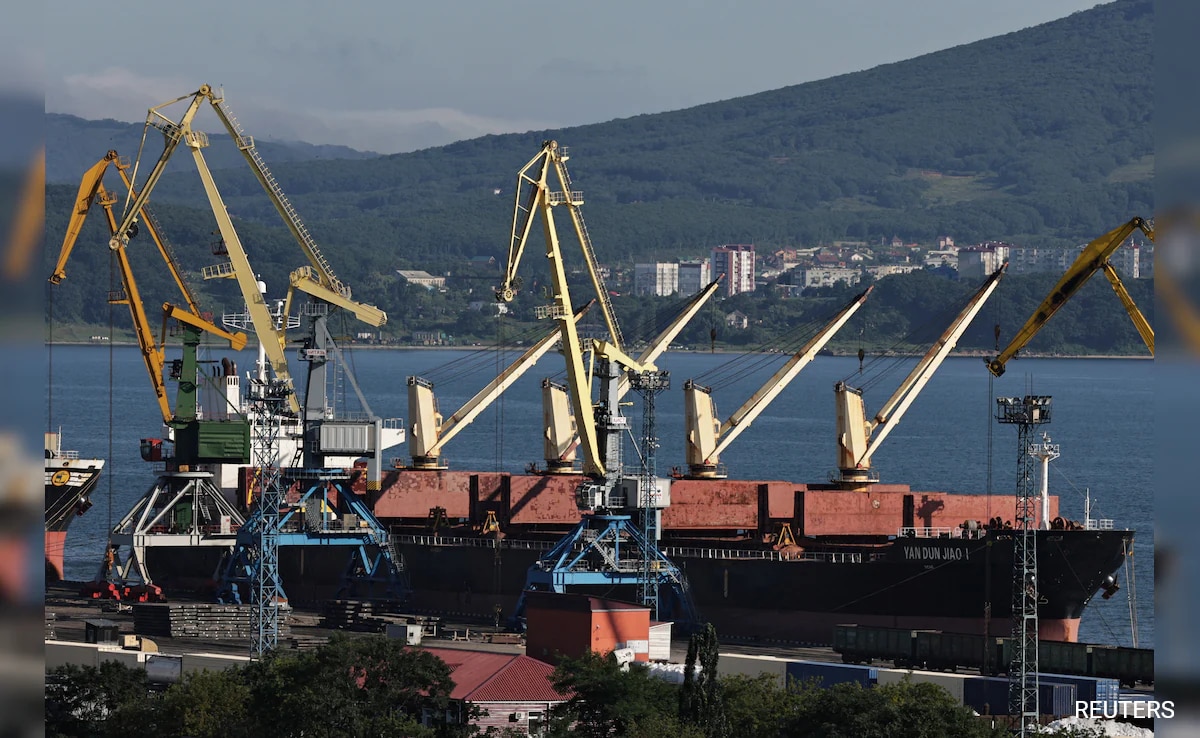
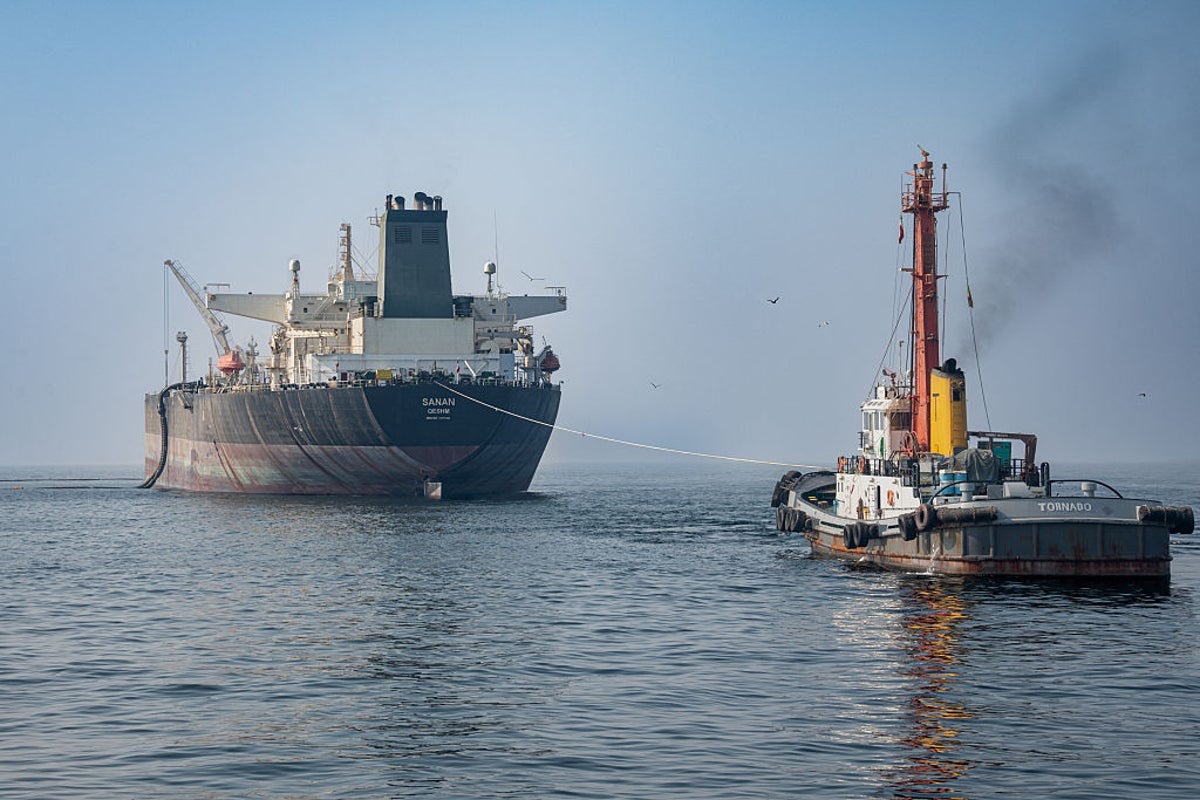
The disruption of the Strait of Hormuz has already paralyzed maritime trade; now, the sky is following suit. We are seeing a "cascading cancellation" effect. When a hub like Dubai International (DXB) suspends 600 flights in a single day, the ripple effect isn't just felt by tourists. It is felt by the hospital in London waiting for Indian-made medications and the factory in Germany waiting for Japanese semiconductors.
The Search for the "Hotan" Alternative
Airlines are now desperate enough to propose routes that were once considered technically and politically impossible. Air India has been lobbying for months to use the "Hotan" route. This involves flying from Delhi over Leh, entering Chinese airspace, and traversing Central Asia to reach the West.
The catch? It requires flying over some of the highest terrain on Earth. Only specific aircraft, like the Boeing 787-9 and Airbus A350, are equipped with the specialized oxygen systems required to keep passengers safe during a depressurization event over such high peaks. If the "Hotan" route isn't cleared soon, the connection between the world's most populous nation and the Western world could be reduced to a trickle of prohibitively expensive flights.
The Brutal Truth of Ticket Prices
For the consumer, the "financial hit" Boeing mentions is being passed down with interest. One-way economy fares from London to Mumbai, which typically hover around $400, have been spotted at nearly **$3,500**. This isn't just "price gouging," though some analysts argue that is part of it. It is the result of a massive demand-supply mismatch. When 21,000 flights are cancelled in a single week, the remaining seats become the most expensive real estate on the planet.
Airlines are essentially operating "repatriation" flights rather than commercial ones. They are flying nearly empty into conflict zones to pick up stranded passengers on the way back. The math doesn't work. Without government subsidies or a rapid de-escalation, we are looking at a period where international air travel returns to being a luxury for the ultra-wealthy.
The industry is currently running on adrenaline and emergency reserves. But adrenaline eventually fades, and the reserves are not bottomless. If the skies over the Middle East remain dark for another month, the "financial hit" will turn into a full-scale industry restructuring.
Would you like me to analyze the specific impact of the "Hotan" route clearance on Indo-European trade volumes?