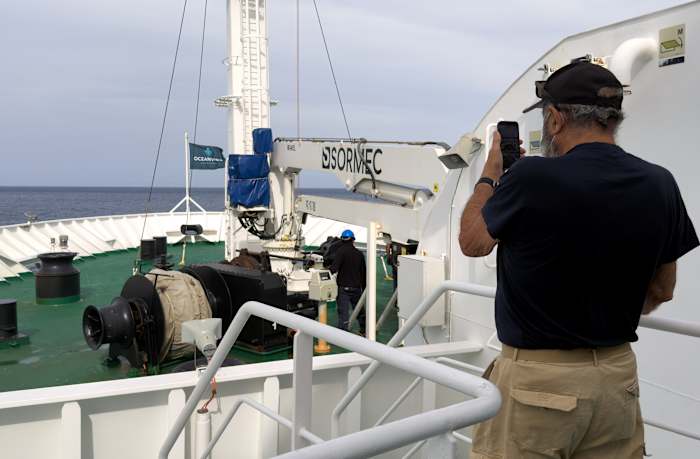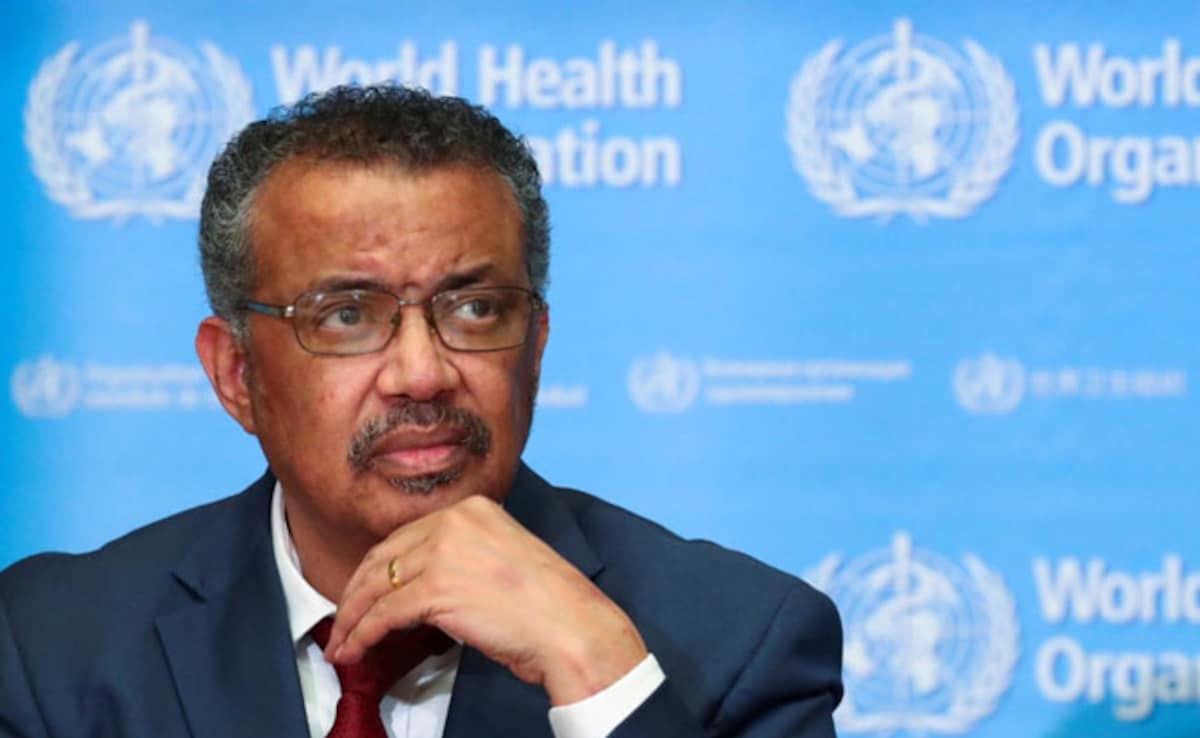
The arrival of the Dutch-flagged MV Hondius at the port of Santa Cruz de Tenerife this weekend marks the climax of a month-long nightmare that has turned a luxury Antarctic expedition into a floating isolation ward. While Spanish health authorities and World Health Organization (WHO) Director-General Tedros Adhanom Ghebreyesus prepare for a high-stakes evacuation in the Canary Islands, the official narrative of a "low-risk event" is being tested by the grim reality of a 38% case fatality rate and a virus that refuses to follow the rules.
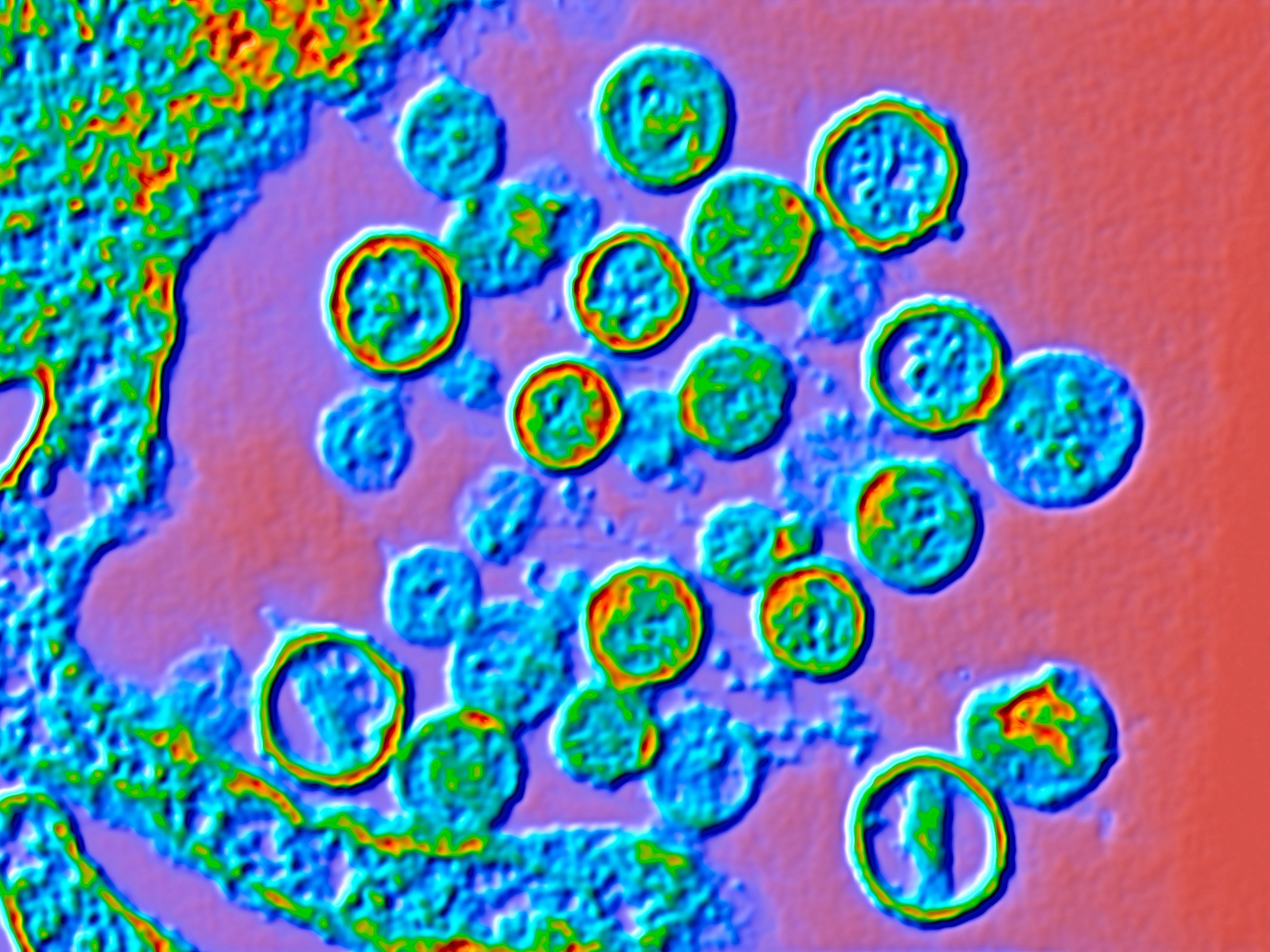
This is not a repeat of the early 2020 pandemic era, but for the 147 souls remaining on board, the distinction is academic. Eight cases are now confirmed or probable, and three people are dead. The culprit is the Andes virus (ANDV), a specific strain of hantavirus that carries a terrifying distinction: it is the only one in its family known to jump from human to human through close contact. As the ship docks in a cordoned-off "sterile zone," the mission is no longer just a rescue; it is a containment operation designed to prevent a South American pathogen from gaining a foothold on European soil. Meanwhile, you can read similar events here: Global Health Security Fractures as Hantavirus Emergency Grips the Canary Islands.
The Ghost on the Passenger List
The tragedy began long before the ship reached the Atlantic. Investigative tracing suggests the outbreak’s patient zero was an adult male who spent three months trekking through Argentina, Chile, and Uruguay—the heartland of the Andes virus—before boarding in Ushuaia on April 1. By April 6, he was febrile. By April 11, he was dead.
In the tight quarters of a cruise ship, "social distancing" is a structural impossibility. While standard hantaviruses require the inhalation of aerosolized rodent waste, the Andes strain thrives on the intimacy of travel. The death of the first victim's wife on April 26, following a harrowing flight to Johannesburg, confirms that this was not a localized environmental exposure. It was a chain reaction. To understand the full picture, check out the detailed analysis by CDC.
The industry's response has been a masterclass in cautious optimism, yet the numbers tell a more jagged story. Five of the eight cases were confirmed only after the ship had already visited remote outposts like South Georgia and Tristan da Cunha. This delay meant that potential carriers were disembarking and boarding international flights while the virus was still incubating, a period that can last up to 45 days.
A Command Post in the Canaries
The presence of the WHO chief in Tenerife is a signal that the diplomatic and logistical stakes have transcended a simple maritime medical emergency. Spain has deployed its health and interior ministers to coordinate with the WHO, turning the Tenerife port into a high-security laboratory.
The evacuation plan is surgical. Passengers will be offloaded in small batches via secondary boats to prevent any contact with port infrastructure. From there, they will be moved directly to buses and then to repatriation flights. There will be no "shore leave" for the weary. Every individual is being treated as a "close contact" under the precautionary principle, a designation that reflects the terrifying efficiency with which the Andes virus can colonize a closed environment.
The Problem with the Low Risk Label
Public health officials are walking a fine line. They insist the risk to the general population remains "absolutely low," yet they are simultaneously tracking passengers across four continents. A 32-year-old woman in Alicante, Spain, is currently under observation after sitting just two rows behind an infected passenger on a flight.
The disconnect between the "low risk" messaging and the "Level 3 emergency response" is where public trust begins to fray. Hantavirus does not transmit as easily as a respiratory flu, but when it does, it kills with a speed that leaves medical teams reeling. The progression from fever to Hantavirus Pulmonary Syndrome (HPS)—where lungs fill with fluid and the body enters shock—can happen in hours.
The Logistics of Containment
Spain’s strategy relies on a total vacuum of contact. The "completely isolated, cordoned-off area" in Tenerife is designed to ensure that not a single aerosolized particle escapes the transit chain.
- Environmental Cleaning: The ship’s crew has been ordered to abandon dry sweeping, which kicks up dust and viral particles, in favor of wet disinfection.
- Active Monitoring: Every person who has touched the MV Hondius since April is under a 45-day watch.
- Diagnostic Gaps: The WHO has rushed 2,500 diagnostic kits from Argentina to European labs, acknowledging that many local facilities simply weren't equipped to identify this specific South American threat.
The Cost of the South Atlantic Route
For the cruise industry, the MV Hondius incident is a brutal reminder of the risks inherent in "frontier tourism." Taking passengers into remote, ecologically diverse regions—from the Antarctic mainland to the rodent-rich islands of the South Atlantic—brings humans into contact with zoonotic "hot zones."
The Andes virus is endemic to the long-tailed pygmy rice rat. When a hiker in Argentina unknowingly breathes in dust from a nesting site and then boards a vessel with 150 others, the ship becomes a biological bridge. The question is no longer whether such an event will happen, but how many deaths are acceptable before the itinerary is deemed too dangerous.
As the buses wait on the Tenerife tarmac, the focus is on the survivors. But for the families of the three who didn't make it, the "low risk" assessment arrived a month too late. The evacuation in the Canary Islands is a necessary ending to a voyage that should have been aborted the moment the first passenger died in the South Atlantic.
The virus is now a resident of the international tracing system. Whether it stops at the Tenerife shoreline depends entirely on the perfection of a process that, until now, has been anything but.