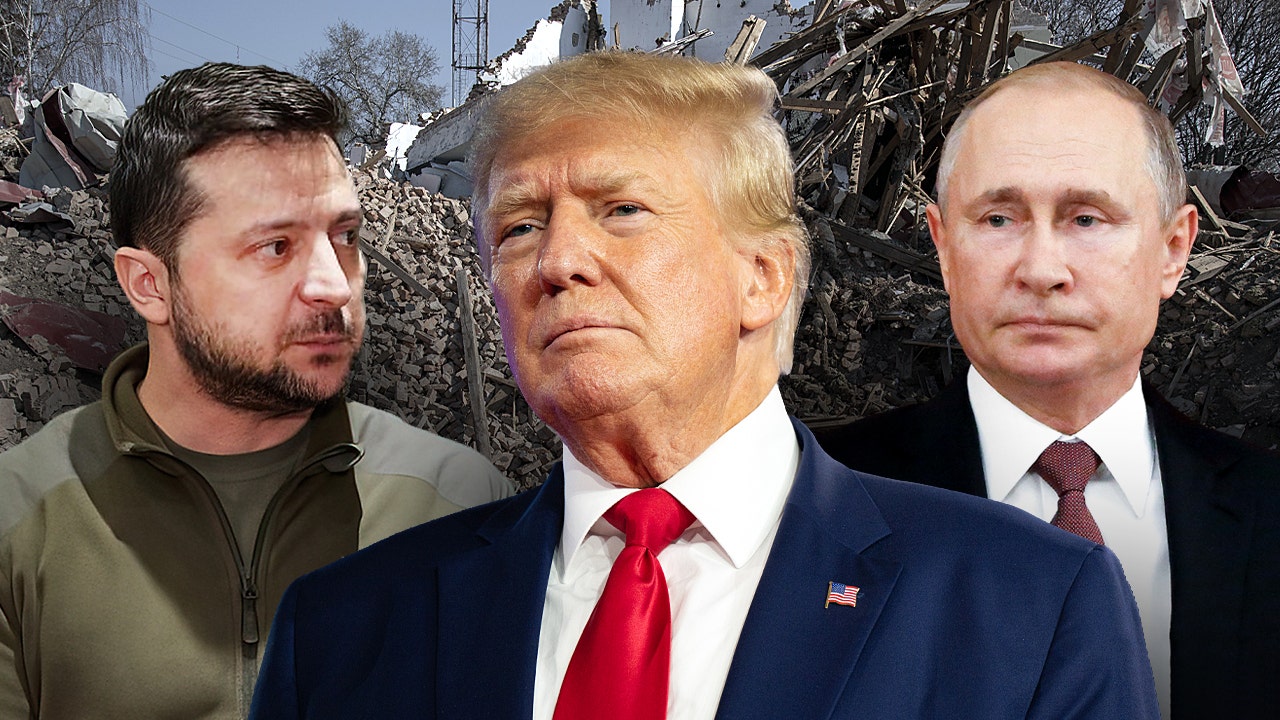
The United States is considering a reversal of its maximum pressure strategy by potentially lifting secondary sanctions on Chinese oil entities in exchange for economic concessions and diplomatic assistance. Speaking to reporters aboard Air Force One following a two-day summit in Beijing, President Donald Trump revealed that he discussed the penalization of Chinese oil refiners with President Xi Jinping and will issue a definitive decision within days. The admission signals a shift in Washington’s geopolitical calculus, balancing the enforcement of its Middle East embargo against the domestic economic vulnerabilities triggered by skyrocketing global energy prices.
By acknowledging a willingness to lift sanctions on entities like Hengli Petrochemical, the administration is attempting to leverage its economic penalties as a transactional tool. In exchange, the U.S. is pushing Beijing to substitute Iranian crude with American energy exports and pressure Tehran into reopening the blockaded Strait of Hormuz.
This transactional diplomacy bypasses the conventional, rigid structure of international sanctions regimes. It introduces an volatile mechanism where compliance is negotiated in real-time through multi-billion-dollar trade agreements, including tentative commitments for China to purchase hundreds of American aerospace vessels.
The Chokepoint Dilemma
The immediate catalyst for this diplomatic pivot is the severe disruption of the global maritime energy supply. Following U.S. and Israeli military engagements with Iran earlier this year, Tehran effectively closed the Strait of Hormuz to commercial shipping. This maritime chokepoint handles roughly one-fifth of the world’s daily petroleum consumption.
The resulting blockade triggered an immediate supply shock, doubling jet fuel costs and driving global crude prices to levels that directly threaten Western economic stability. While the U.S. paused its kinetic strikes last month to transition toward a naval blockade of Iranian ports, Tehran has refused to yield, conditioning the reopening of the strait on the total cessation of American economic warfare.
Washington’s strategy relies on a multi-tiered enforcement mechanism managed by the Treasury Department under Secretary Scott Bessent. In late April, the administration deployed secondary sanctions against Hengli Petrochemical’s Dalian facility, which processes 400,000 barrels of crude per day, alongside 40 shipping companies and tankers accused of facilitating the Iranian trade.
Unlike primary sanctions, which only bar American firms from doing business with a target, secondary sanctions present a global ultimatum. Any foreign corporation, bank, or logistics provider that interacts with the blacklisted Chinese firms is automatically severed from the U.S. financial system and denied access to correspondent banking networks.
+-----------------------------------------------------------+
|                 U.S. TREASURY DEPARTMENT                  |
+-----------------------------------------------------------+
                              |
                              | Enforces Secondary Sanctions
                              v
+-----------------------------------------------------------+
|           SANCTIONED CHINESE REFINERS & SHIPPERS          |
|                 (e.g., Hengli Petrochemical)              |
+-----------------------------------------------------------+
                              |
                              | Extends Penalty Ultimatum
                              v
+-----------------------------------------------------------+
|                 GLOBAL FINANCIAL SYSTEM                   |
|  - Foreign Banks Cut Off From Correspondent Accounts      |
|  - International Logistics Firms Denied U.S. Markets      |
+-----------------------------------------------------------+
For major Chinese conglomerates, this penalty is devastating. Even when backed by the state, large-scale commercial entities remain fundamentally exposed to the dollar-denominated global trade architecture. They cannot afford total exclusion from Western markets to preserve discount oil imports.
The Teapot Pipeline
The vulnerabilities in this enforcement mechanism lie within the fragmented landscape of China's domestic refining sector. While massive private and state-owned refineries generally comply with U.S. mandates to protect their global market access, the bulk of illicit Iranian crude flows into independent, localized refineries known as teapots.
These small-scale facilities operate almost entirely within domestic borders. They possess zero exposure to the U.S. financial system, settle transactions in local currencies or barter arrangements, and utilize an extensive shadow fleet of uninsured, re-flagged tankers that obscure their cargo origins via mid-ocean ship-to-ship transfers.
Consequently, targeting high-profile symbols of Beijing's industrial modernization does not halt the flow of Iranian oil. It merely reroutes it deeper into unregulatable channels.
By threatening Hengli Petrochemical, the U.S. created a highly visible diplomatic asset that could be traded away during bilateral negotiations without fundamentally altering the baseline volume of clandestine crude reaching Chinese shores.
The Price of Easing Pressure
The proposed concessions reveal the internal friction between Washington’s foreign policy objectives and its domestic economic imperatives. The administration has offered to accommodate a framework where Iran suspends its nuclear program for a fixed 20-year term, provided the commitment includes verifiable inspections.
Simultaneously, U.S. negotiators are attempting to use the threat of sustained secondary sanctions to force China into a massive energy substitution play, replacing sanctioned Middle Eastern crude with American liquefied natural gas and agricultural products.
Beijing’s response remains calculatedly opaque. While the Chinese Foreign Ministry issued public statements condemning the conflict as an unnecessary disruption to international trade order, official readouts from the Xi summit conspicuously avoided confirming any concrete energy purchase agreements.
China understands that the U.S. is operating under intense inflationary pressure at home due to the energy crisis. This reality blunts the efficacy of Washington's threats. If the U.S. strictly enforces secondary sanctions across the entire Chinese banking sector, it risks fracturing the global financial system and driving energy prices even higher.
The current diplomatic maneuvering highlights the limits of economic isolation in an interdependent global economy. Sanctions are designed to inflict unsustainable costs on an adversary to force behavioral change. Yet, when applied to critical energy producers and the world's primary manufacturing hub simultaneously, the economic blowback can outpace the diplomatic leverage generated.
Washington now faces a choice between maintaining an unyielding embargo that perpetuates a global energy supply crisis, or executing a tactical retreat masked as a hard-won bilateral trade deal. The decision made in the coming days will dictate whether the global energy market stabilizes or enters a prolonged period of structural fragmentation.