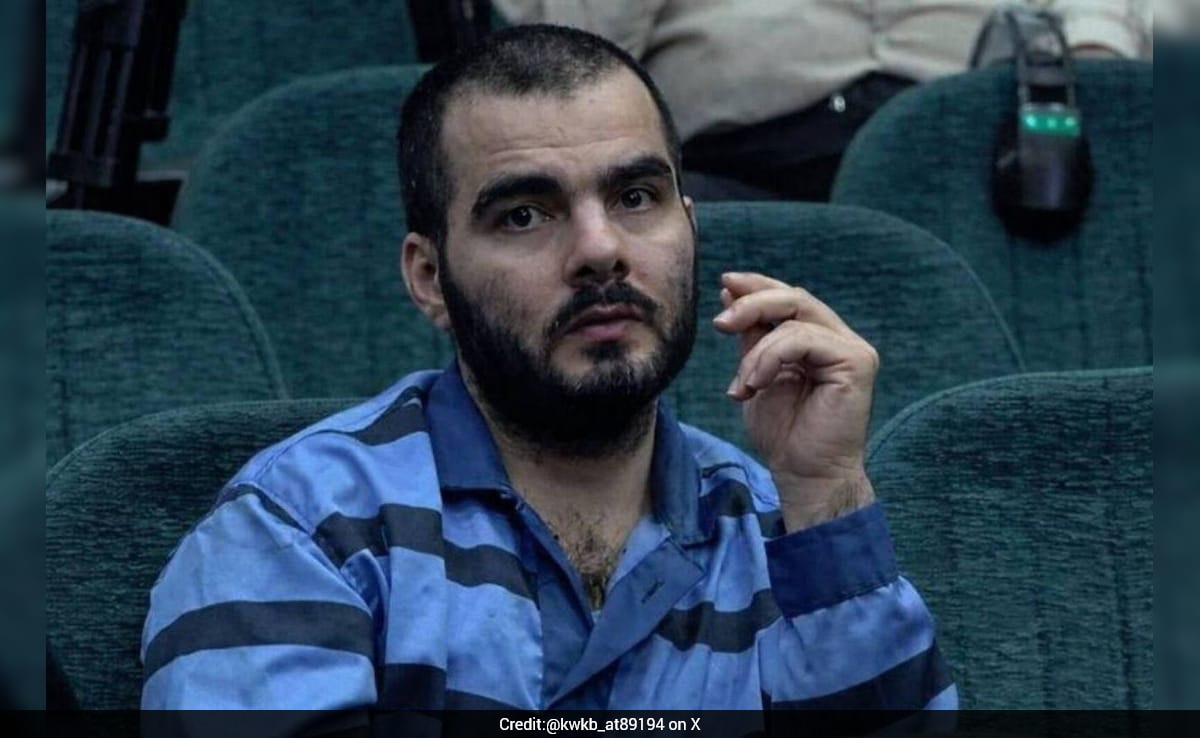
On the morning of March 18, 2026, as precision strikes from the ongoing conflict between Israel and the United States shook the outskirts of Tehran, a different kind of termination was carried out inside a state prison. The Iranian judiciary, via its Mizan news agency, announced the execution of Kourosh Keyvani. Convicted of espionage for the Mossad, Keyvani’s death by hanging marks a brutal escalation in the Islamic Republic’s internal crackdown, serving as a chilling reminder that while missiles fall from above, the regime's most lethal gaze remains fixed on its own citizens.
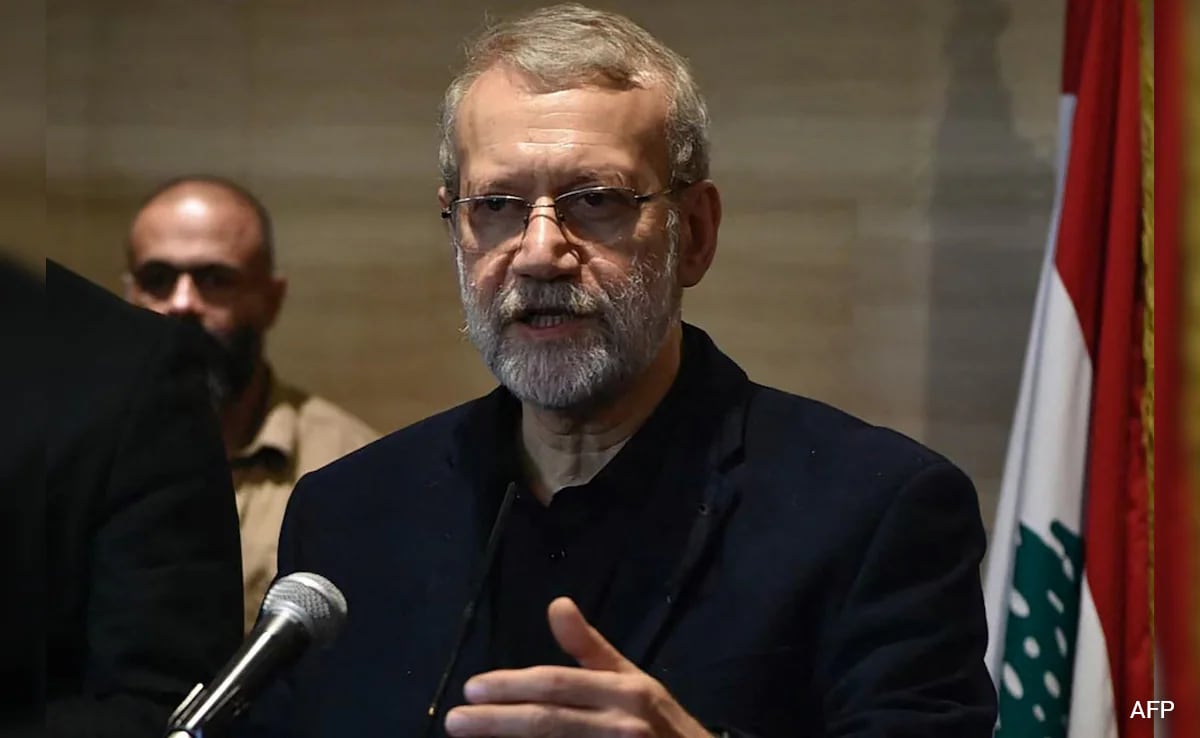
Keyvani was not just another name on a growing list of casualties. His execution is a calculated piece of political theater designed to project an image of internal security at a time when the regime's leadership is physically crumbling. Within the last 24 hours alone, Israeli strikes have reportedly eliminated Intelligence Minister Esmail Khatib and Ali Larijani, a figure who had stepped in as a wartime leader following the death of Supreme Leader Ayatollah Ali Khamenei. By hanging an alleged spy amidst this chaos, the judiciary is attempting to signal that the state's counter-intelligence apparatus remains functional, even if its headquarters are in ruins. If you enjoyed this article, you might want to read: this related article.
The Mechanics of Recruitment and Ruin
The state’s narrative regarding Keyvani’s recruitment reads like a cautionary tale for the digital age, though filtered through the heavy-handed lens of the Revolutionary Courts. According to official reports, Keyvani’s journey into the shadow war began in 2023 when he registered his details through an online advertisement for group travel. This digital footprint was allegedly picked up by Israeli intelligence in Sweden.
The "how" is telling. The judiciary claims an intelligence officer built a rapport with Keyvani online, methodically mapping his financial anxieties, family ties, and even his child’s school schedule. This level of detail in the state's announcement is a deliberate psychological tactic. It tells the Iranian public that the enemy is not just at the border, but inside their screens, exploiting their most intimate vulnerabilities. When he was arrested in June 2025 during the "12-Day War" at a villa in Savojbolagh County, authorities claim they seized €30,000 in cash, satellite communication equipment, and a Padra pickup truck—tools of a trade that the state insists was bought with betrayal. For another look on this story, check out the recent update from The Washington Post.
The Trial of Shadows
Behind the official "confessions" and the list of confiscated equipment lies a legal process that international observers have long dismissed as a farce. Keyvani, like dozens before him, was tried in a Revolutionary Court. These proceedings are almost always held behind closed doors. Defendants are frequently denied the right to choose their own counsel, and convictions are routinely based on confessions obtained under conditions that human rights groups describe as torture.
The timing of this execution is not accidental. Since the outbreak of high-intensity conflict in early 2026, the pace of executions has surged. Human rights groups estimated that over 1,600 people were executed in 2025; by March 2026, that rate has accelerated significantly. These are not just legal actions; they are survival mechanisms. As the military leadership faces "decapitation" strikes, the judiciary uses the gallows to maintain a grip on a population that has shown increasing signs of unrest, particularly following the January protests that saw thousands killed in the streets.
A Regime Fighting on Two Fronts
The Islamic Republic is currently fighting a conventional war against a technologically superior coalition and a domestic war against its own perceived "infiltrators." The execution of Kourosh Keyvani is a bridge between these two fronts. By labeling him a "Zionist spy," the state justifies its brutality as a matter of national defense.
However, the "total omniscience" the regime tries to project—claiming they knew exactly how the Mossad tracked Keyvani’s child—is a thin veil for a deeper insecurity. If the intelligence services were so adept at tracking individual spies, how did they fail to protect the Supreme Leader or the Intelligence Minister? This paradox is the hallmark of a system in decline. It compensates for its external failures with internal displays of absolute power.
The reality for many Iranians is a state of constant, overlapping threats. On one hand, the very real danger of foreign bombardment; on the other, the ever-present risk that a digital interaction or a financial hardship could be reinterpreted as treason by a desperate judiciary. Keyvani’s death is a message to those within the Iranian security and intelligence circles: the purge is ongoing, and no one is exempt from suspicion.
The gallows in Tehran are now working in tandem with the missile batteries on the coast. As the regional war enters its most volatile phase, the distinction between a criminal trial and a military operation has effectively vanished. For the men and women living under this shadow, the execution of Kourosh Keyvani is less a matter of justice and more a symptom of a state that is rapidly losing its ability to distinguish between its enemies abroad and its subjects at home.