The next global pandemic is already quiet-testing its infrastructure in the clearing of a Cambodian forest and the cracked mud of a Bolivian agricultural outpost. While public health agencies track known threats, a massive structural shift is accelerating how deadly pathogens migrate from animals to humans. This phenomenon, known as zoonotic spillover, is no longer a series of isolated, freak accidents. It is an industrialized process driven by aggressive land exploitation, broken global supply chains, and climate disruption. Infectious diseases like hantavirus, Ebola, and Lassa fever are striking more frequently and with greater velocity because human activity has systematically dismantled the natural buffers that used to keep them contained.
For decades, the standard narrative around emerging infectious diseases focused on bad luck or localized hygiene failures. That perspective is dangerously obsolete. Pathogens do not hunt humans. We invite them in by chewing through the geographical firewalls that protected our species for millennia.
When a multinational logging corporation cuts a road into a pristine rainforest, it does not just harvest timber. It creates a high-speed transit corridor for viruses. Animals that once lived deep in the canopy are forced into the edges of human settlements, bringing their evolutionary cargo with them.
The Real Drivers of Pathogen Acceleration
To understand why outbreaks are spiking, look at the economics of habitat fragmentation. When a continuous forest is carved into smaller patches for cattle ranching or palm oil plantations, it creates miles of new "edge habitat." This edge is a highly volatile ecological zone.
Specialist species—the animals that require deep, undisturbed ecosystems to survive—die out. In their place, generalist species thrive. These are often rodents, bats, and primates that adapt quickly to human environments. They also happen to be the most prolific reservoirs for viral zoonoses.
Consider the hantavirus. In a balanced ecosystem, a diverse community of small mammals competes for food and territory. This diversity dilutes the virus, as many species are dead-end hosts that cannot transmit the disease.
However, when industrial agriculture clears the land, the biodiversity collapses. A single, highly resilient rodent species usually dominates the remaining landscape. With no competition, its population explodes. The viral load within that specific population skyrockets, making human exposure almost inevitable during harvest seasons when farmers inhale dust contaminated by rodent waste.
The mechanics of an Ebola spillover follow a similar economic trajectory. Fruit bats, the primary suspected reservoir for the virus, do not naturally prefer to roost near human dwellings. But when their foraging grounds are cleared for charcoal production or mining operations, they migrate to orchard trees planted around villages. A single piece of fruit, partially eaten by an infected bat and dropped into a backyard where children play or livestock grazes, is all it takes to trigger a chain reaction that can overwhelm a regional health system.
The Blind Spots in Global Biosurveillance
The current international approach to pandemic prevention is fundamentally reactive. Billions of dollars flow into vaccine development and diagnostic manufacturing after an outbreak captures international headlines. Meanwhile, the frontline defenses are crumbling from chronic underfunding and political neglect.
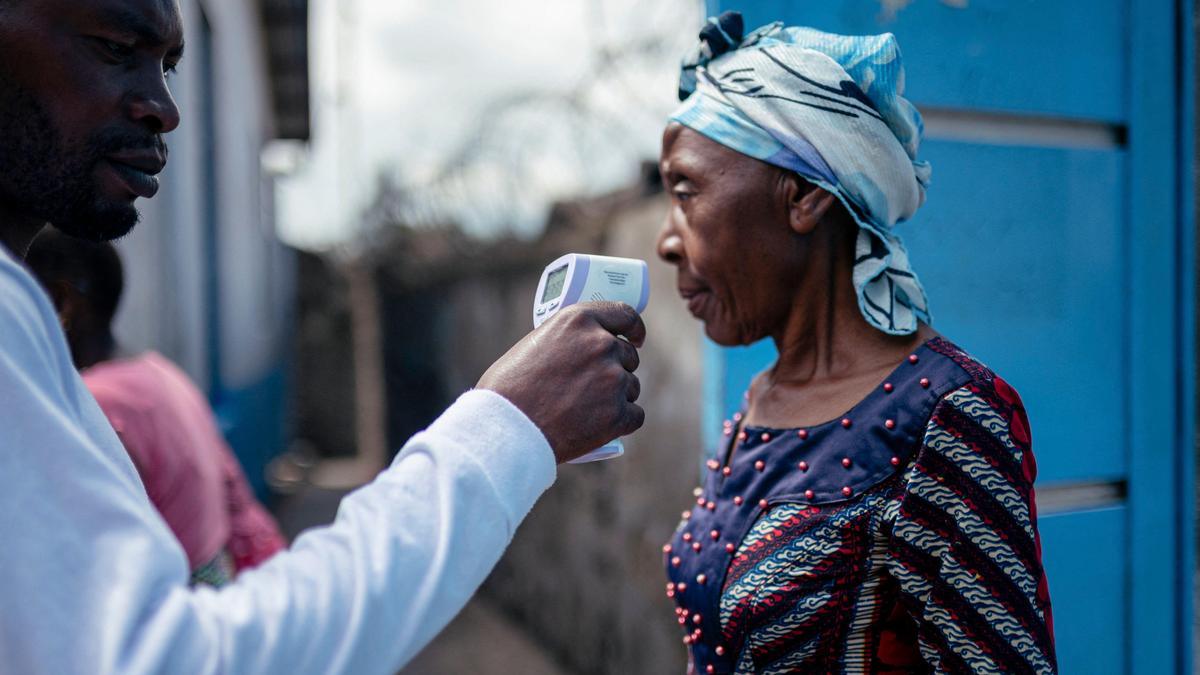
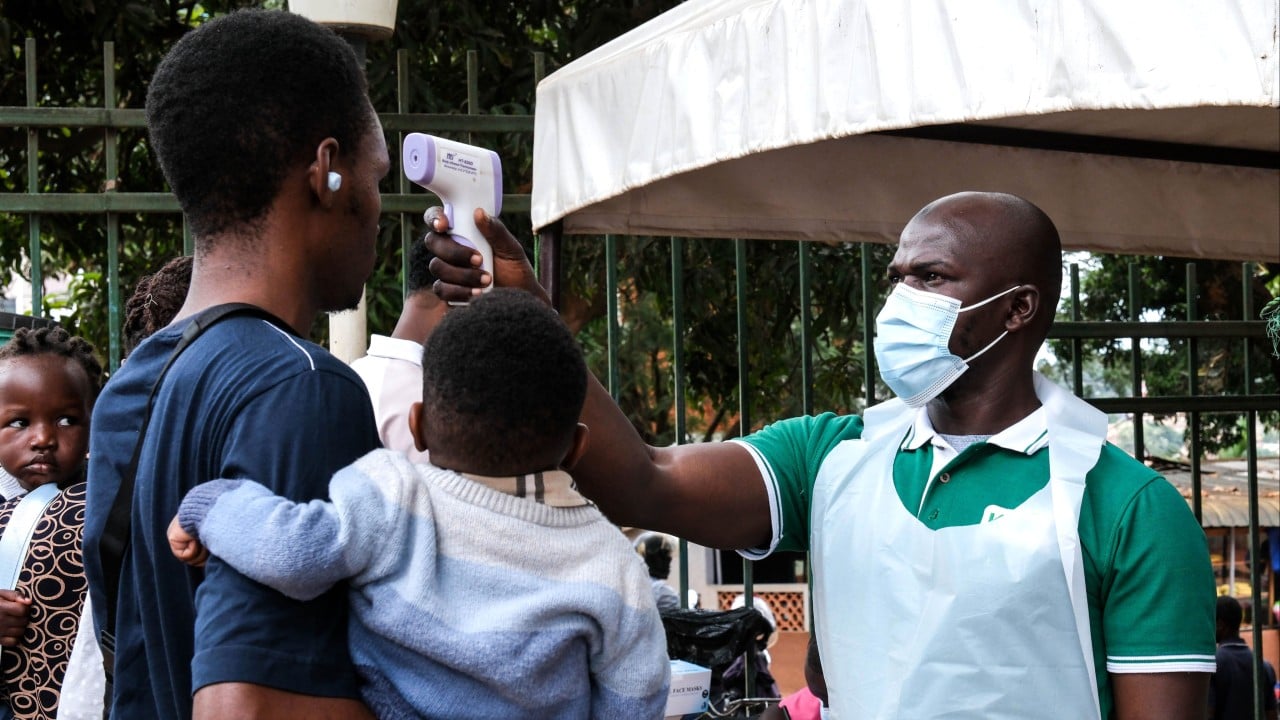
True biosurveillance does not start in a laboratory in Geneva or Atlanta. It starts in rural clinics that lack running water and consistent electricity. When a patient presents with an atypical hemorrhagic fever in a remote province, the local healthcare worker faces an immediate wall of obstacles.
- Diagnostic scarcity: Most rural clinics lack the specialized reagents required to differentiate between a common case of malaria and the early stages of a rare filovirus.
- Logistical paralysis: Transporting a blood sample from a remote jungle outpost to a centralized national reference lab can take days, or even weeks, due to impassable roads and absent cold-chain infrastructure.
- Data siloing: Local surveillance networks rarely communicate across national borders, allowing a localized cluster of cases to cross frontiers before a formal alert is issued.
By the time a sample is sequenced and confirmed, the index case has often passed away, and dozens of secondary infections are already moving through urban centers. The international community treats these failures as technical glitches, but they are systemic design flaws. We are trying to fight supersonic viruses with bureaucratic paperwork.
The Micro-Economics of Exposure
There is a stark class divide in how zoonotic risk manifests. The individuals who bear the immediate cost of spillover events are almost exclusively the rural poor, subsistence farmers, and migrant laborers. They do not enter high-risk environments out of curiosity; they do so out of survival.
In West Africa, the expansion of commercial logging has driven up the cost of traditional protein sources. This economic pressure forces local populations deeper into the bush to hunt wild meat, vastly increasing the frequency of direct contact with animal blood and fluids. Similarly, in South America, the expansion of the agricultural frontier relies on a transient workforce that lives in substandard housing at the edge of the jungle, directly exposed to the vectors of Machupo or Junin virus.
[Pristine Forest] ---> [Industrial Fragmentation] ---> [Biodiversity Collapse] ---> [Rodent/Bat Explosion] ---> [Human Spillover]
This is not a problem that can be solved by preaching lifestyle changes to people who are living on less than two dollars a day. If a worker must choose between entering a high-risk cave to harvest bat guano for fertilizer or letting their family starve, they will enter the cave every single time. Any prevention strategy that ignores these basic micro-economic realities is a fantasy.
The Myth of Total Eradication
A dangerous misconception persists among policymakers that we can simply engineer our way out of environmental risk by eliminating the reservoir species. This line of thinking is not only ecologically disastrous but epidemiologically counterproductive.
Bats, for example, are frequently vilified as flying viral factories. Yet, they are essential components of global ecosystems, acting as vital pollinators and consuming tons of insects that would otherwise destroy food crops or vector human diseases like dengue and malaria.
Mass culling campaigns aimed at bats or rodents invariably backfire. When a colony is attacked or disrupted, the surviving animals scatter, carrying the pathogen to new, previously unaffected areas. The stress of the disruption also suppresses the animals' immune systems, causing them to shed higher volumes of the virus into the environment.
We cannot sanitize nature. The goal must be coexistence through distance, which means establishing and enforcing strict geographical boundaries between high-risk wildlife habitats and human infrastructure.
Rebuilding the Firewall
Fixing a broken global health architecture requires a radical reallocation of capital away from post-hoc containment and toward primary prevention. The economic argument for this shift is overwhelming. The cost of a single major pandemic runs into the trillions of dollars; the cost of implementing a comprehensive global conservation and health monitoring network is a fraction of that amount.
Hardening the Ecological Buffer
The most effective vaccine we have against zoonotic spillover is a intact, biodiverse ecosystem. Governments must implement strict moratoriums on infrastructure development in identified viral hotspots.
This requires mapping the global "spillover frontline" with far greater precision than exists today. Land-use zoning laws must treat old-growth forests not as vacant real estate waiting for development, but as critical public health infrastructure.
Upgrading Frontline Clinical Power
We need to decentralize diagnostic capabilities. Instead of relying on distant reference laboratories, frontline clinics require rugged, low-cost molecular diagnostic tools that can identify pathogens at the point of care within hours.
Training programs must be expanded to equip local health workers with the skills to recognize unusual clinical patterns and report them through secure, decentralized digital networks that bypass slow bureaucratic channels.
Restructuring Corporate Accountability
Multinational corporations engaged in extractive industries must be held legally and financially responsible for the biological risks they introduce. If a mining operation disrupts a landscape and triggers a localized outbreak of a hemorrhagic fever, that company must face severe financial penalties.
Supply chain audits should include explicit zoonotic risk assessments alongside carbon footprint metrics. When the true cost of biological disruption is factored into the corporate balance sheet, the economic incentive to clear pristine habitat will evaporate.
The acceleration of zoonotic outbreaks is a direct symptom of our broken relationship with the natural world. Every acre of forest cleared without foresight, every underfunded rural clinic left to decay, and every corporate supply chain that prioritizes short-term margin over long-term stability increases the probability of the next catastrophic spillover. The pathogens are waiting, and we are continuing to give them a map to our front door.