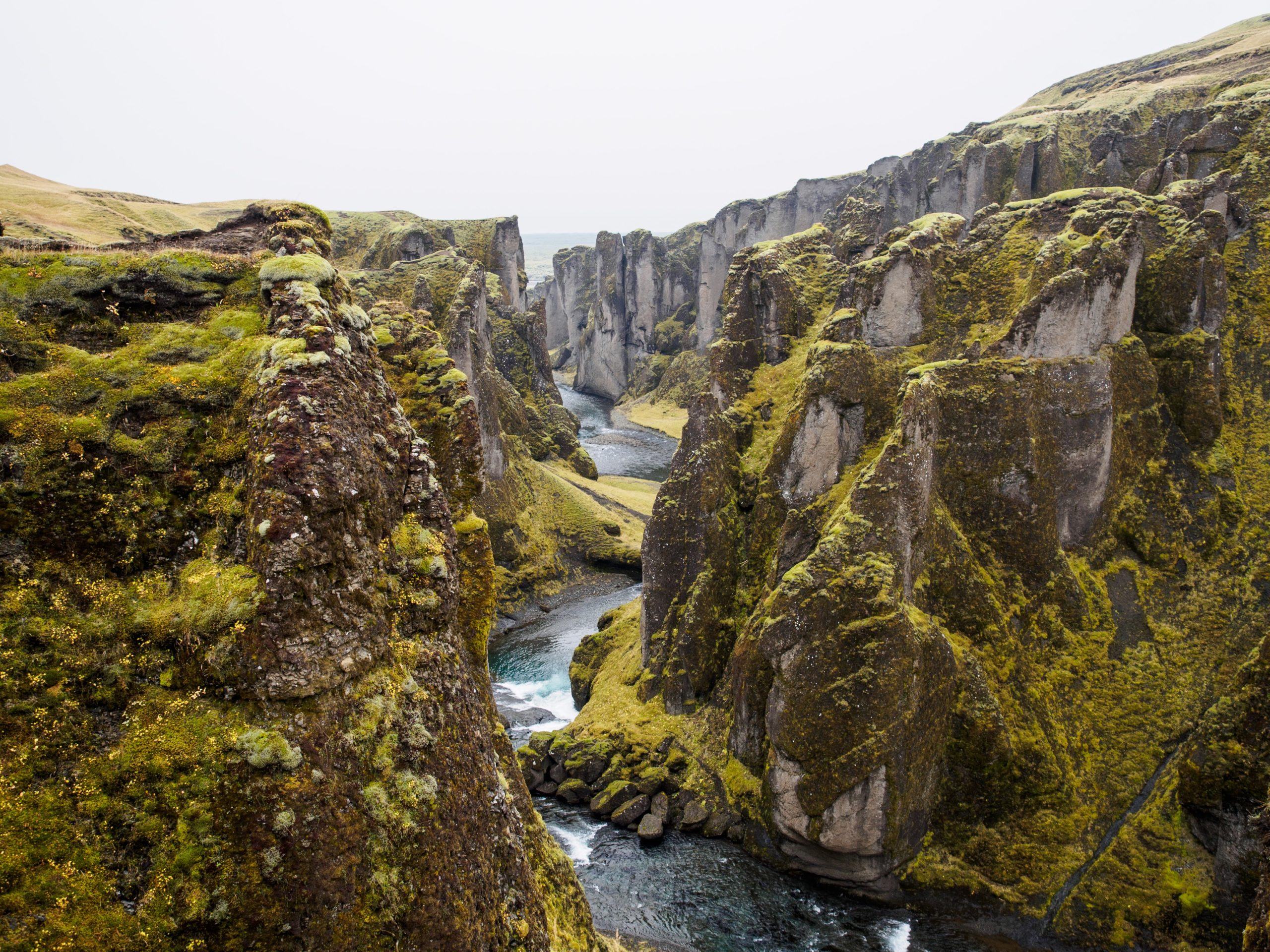
The steel of a cargo ship doesn’t feel like a political statement until you’re standing on the bridge, watching the sun dip below the jagged cliffs of the Musandam Peninsula. To a navigator, the Strait of Hormuz is a ribbon of water barely twenty-one miles wide at its narrowest pinch. To the rest of the world, it is the jugular vein of global energy. When the pulse here falters, lights flicker in Madrid, gas prices spike in Topeka, and the boardrooms of Tokyo hold their collective breath.
For decades, this stretch of sea has been defined by friction. It is a place where "freedom of navigation" isn't a legal phrase, but a daily, high-stakes negotiation. Yet, a quiet shift is occurring in the diplomatic offices of Tehran, one that looks less like a headline and more like an open door. Iran has signaled a specific, pointed receptivity to Spain. They aren't just talking about trade; they are talking about the transit of the world’s most sensitive waterway. You might also find this connected story insightful: Geopolitical Transactionalism and the NATO Ukraine Iran Triad.
Consider a hypothetical captain named Mateo. He is third-generation Spanish merchant marine, commanding a vessel laden with liquefied natural gas. For Mateo, the Strait of Hormuz is a gauntlet of anxiety. He knows that his ship’s passage depends on the invisible atmospheric pressure of international relations. If a drone flies too close or a radio transmission sounds too sharp, his schedule—and the safety of his crew—becomes a pawn in a game played by people who have never smelled salt spray.
Now, imagine that the tension breaks. As extensively documented in recent articles by The Washington Post, the results are notable.
Iran’s recent overtures to Spain suggest a willingness to facilitate, rather than frustrate, the movement of goods. This isn't out of sudden altruism. It is a calculated recognition of Spain’s unique position within the European Union—a country that has often attempted to balance its Atlantic alliances with a pragmatic Mediterranean diplomacy. By alluding to Hormuz transit in the context of Spanish requests, Iran is offering a "green lane" of sorts. It is an invitation to bypass the usual friction.
Money speaks, but logistics screams.
The Strait of Hormuz handles roughly one-fifth of the world’s total oil consumption. If you want to understand why this matters to someone sitting in a cafe in Barcelona, you have to look at the complexity of the modern supply chain. We live in a world of "just-in-time" delivery. There is no longer a massive buffer of resources sitting in warehouses. We rely on the constant, uninterrupted flow of massive ships. A three-day delay in the Strait can lead to a three-week ripple effect in European manufacturing.
When Iran says it is "receptive to any request from Spain," it is dangling a key to the gate. It is telling the Spanish government—and by extension, Spanish industry—that their ships don't have to be part of the friction. This kind of bilateral signaling is how the world actually works behind the scenes of the UN General Assembly. It is a whispered promise in a room full of shouting.
But why Spain?
History leaves deep grooves. Spain has long maintained a brand of diplomacy that leans toward dialogue over total isolation. They are a bridge. Tehran recognizes that if they can establish a reliable, cooperative relationship with a major EU economy regarding the world's most vital maritime chokepoint, they create a crack in the wall of sanctions and "maximum pressure" tactics. It is a masterclass in soft power played with very hard assets.
The stakes are invisible until they aren't. We don't think about the Strait of Hormuz when we flip a light switch. We don't think about it when we buy a plastic toy or a gallon of milk. But the cost of those items is tethered by a long, invisible string to the patrol boats and tankers zigzagging through that narrow passage of water. If Iran follows through on this receptivity, the "risk premium" on shipping insurance—a hidden tax that we all pay—could theoretically soften for those flying the Spanish flag.
This isn't just about oil. It’s about the precedent of cooperation in a zone defined by conflict.
The logic is simple. If Spain asks for a guarantee of safe passage for its commercial interests, and Iran grants it, the binary narrative of "West vs. Iran" begins to blur. It moves the conversation from the abstract realm of nuclear enrichment to the practical realm of how we move grain, gas, and gear. It turns a geopolitical flashpoint into a commercial corridor.
There are, of course, those who view this with intense skepticism. Critics argue that any "receptivity" is merely a tactical maneuver to sow discord among European allies. They see it as a wolf offering to guard the sheep, provided the sheep belongs to a specific neighbor. And they might be right. In the world of high-seas diplomacy, intentions are often as murky as the deep-water trenches of the Gulf of Oman.
Yet, for the Mateos of the world—the people actually standing on the decks of the tankers—the "why" matters less than the "will they."
If a Spanish request can ensure that a ship passes through the Strait without the shadow of a boarding party or the threat of a seized hull, that is a win for stability. It is a victory for the human element over the ideological one. We often forget that beneath the maps and the colored pins of military strategists, there are thousands of sailors just trying to get home to their families.
The Iranian gesture is a reminder that even the tightest knots have a loose thread. By reaching out to Spain, Tehran is pulling on that thread. They are testing the water. They are asking if the world is ready to trade a certain amount of political purity for a significant amount of economic predictability.
The ocean doesn't care about borders. The water in the Strait of Hormuz flows in and out with the tide, indifferent to the flags flying above it. But the men and women who navigate it care deeply. They know that peace is not the absence of tension, but the presence of a working agreement.
As Spain considers this opening, the rest of the world watches. They watch to see if this is a one-off exception or the beginning of a new map. A map where the jugular vein of the world isn't a place of fear, but a place where a request is met with a nod instead of a threat.
The sun sets over the Strait, casting long, golden shadows across the hulls of the waiting giants. In the quiet of the night, the radio crackles. A Spanish voice identifies its position. On the other end, a pause. Then, a confirmation. The bridge remains open, for now, held together by nothing more than the fragile, hopeful word of a diplomat and the desperate necessity of the sea.
The cliffs of Musandam stand silent, watching as the invisible bridge is built, one ship at a time.