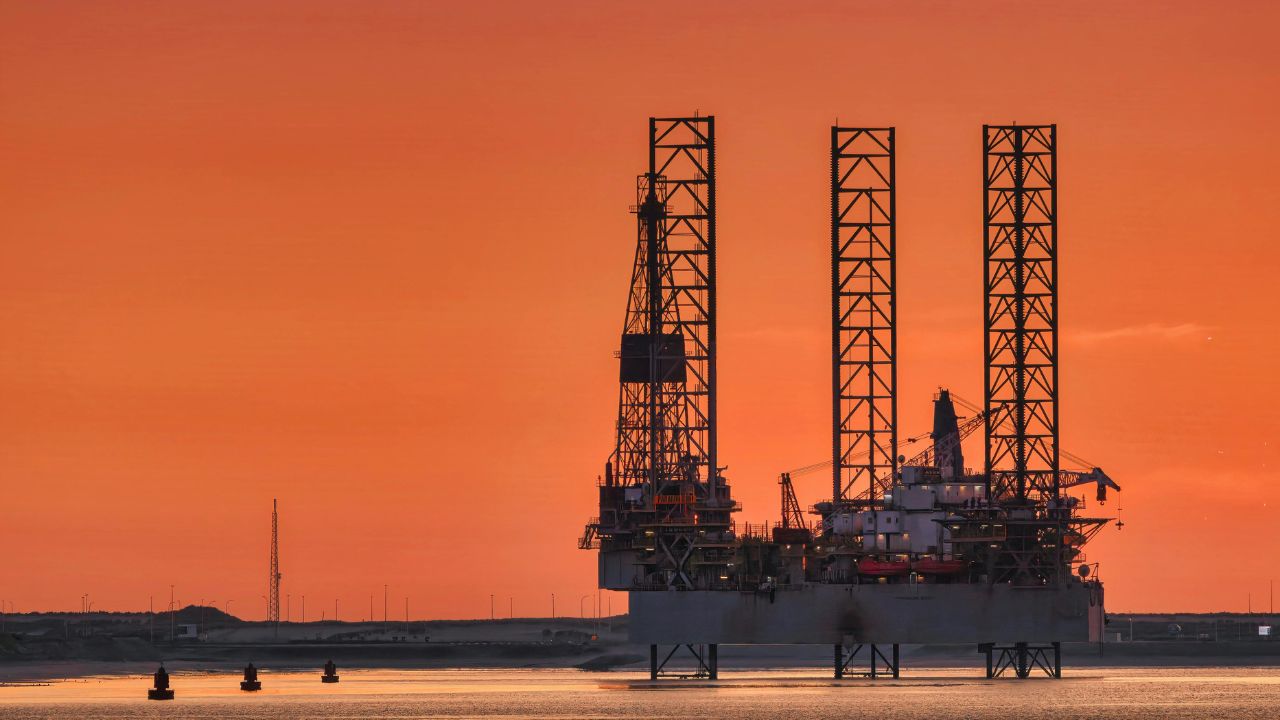
In a quiet control room overlooking the shimmering heat haze of the Empty Quarter, a technician watches a digital needle. It doesn't move. For decades, the rhythm of the world—the price of a gallon of milk in Ohio, the shipping cost of a smartphone in Berlin, the heating bill of a pensioner in London—was dictated by the steady, metered pulse of this needle. But today, the pulse has changed. The old kings of the desert are staring at a screen that tells a new story, one where the "pause" isn't just a momentary breath. It is a pivot point for the entire human experiment.
For years, the Gulf was the world’s gas station. Simple. Predictable. If the world got thirsty, the Gulf opened the tap. If the world had too much, they tightened it. But the recent pause in major capacity expansion isn't a sign of exhaustion. It's a sign of calculation. The "new boss" in the Gulf isn't a person, but a realization: the era of volume is dying, and the era of value is being born.
Consider Omar. He is a hypothetical mid-level strategist at a national oil company in the region. He spent the last decade chasing a singular number: 13 million barrels per day. That was the goal. The holy grail. The capacity required to ensure that even if the world went mad, the Gulf remained the undisputed anchor. Then, the order came to stop. Not because the oil ran out—there are oceans of it still trapped beneath the salt and sand—but because the math of the future no longer rewards the biggest tank. It rewards the smartest brain.
The Weight of the Unused Barrel
To understand why this pause matters, you have to feel the weight of a barrel that never leaves the ground. Building the infrastructure to pump millions of extra barrels costs billions. If those barrels aren't needed because a factory in Shenzhen switched to sodium-ion batteries, or because a fleet of trucks in Texas went electric, that infrastructure becomes a monument to a dead age.
The Gulf has looked at the global ledger and seen the writing on the wall. They are no longer competing against other oil producers; they are competing against time. Every year the world spends perfecting fusion, refining wind turbines, or finding ways to squeeze more life out of a lithium cell is a year that devalues the black liquid under the sand.
The first scenario following this pause is one of Aggressive Preservation. In this world, the Gulf leaders become the ultimate pragmatists. By stopping the expansion of capacity, they are effectively saying they will not flood the market to kill off competitors. Instead, they will keep prices high enough to fund their own escape from oil. They are using the last great era of fossil fuels to build the cities of the next era. It’s a gamble. If they keep prices too high, they accelerate the move to renewables. If they keep them too low, they don't have the cash to build Neom, or the Red Sea Project, or the massive solar farms that are supposed to replace their current wealth.
The Ghost in the Machine
The second path is more shadowed. It involves the "Invisible Stake"—the geopolitical leverage that comes with being the only ones with a spare key. When the Gulf pauses its capacity growth, it creates a thinner margin for error for everyone else.
Imagine a cold winter in Europe or a sudden conflict in the Malacca Strait. In the old days, the Gulf had a massive "buffer"—extra capacity they could spin up in weeks to save the global economy from a price spike. By choosing not to expand, they are letting that buffer shrink. They are moving from being the world’s insurance policy to being the world’s high-stakes dealer.
This isn't just about money; it's about relevance. In a world where the U.S. is energy independent and China is sprinting toward a green grid, the Gulf needs a reason for the great powers to keep showing up. That reason is now scarcity. By managing the pause, they ensure that whenever the world hits a bump in the road, everyone still has to call Riyadh or Abu Dhabi. It is a play for diplomatic longevity disguised as a capital expenditure report.
The Silicon Mirage
Then there is the third scenario, the one that keeps the Omars of the world up at night. This is the Pivot to the Intangible.
The Gulf is currently pouring money into AI, data centers, and semiconductor research. They aren't just buying the technology; they are trying to host it. They have the two things the AI revolution craves most: vast amounts of capital and even vaster amounts of land for energy generation.
The pause in oil capacity isn't a retreat; it’s a reallocation. Why spend $20 billion on a new offshore rig when you can spend that same $20 billion building a sovereign AI cloud that doesn't rely on the whims of a volatile commodity market?
They are trying to turn heat into data. Sunlight into compute. Oil into influence that exists only in the cloud.
If you walk through the financial districts of Dubai or Riyadh today, you don't hear much talk about "crude." You hear about "compute." You hear about "sovereign wealth transition." The emotional core of this transition is a profound, collective anxiety. These are nations that transformed from pearl divers to global titans in two generations. They know, better than anyone, how quickly the tide can go out. They are terrified of being the wealthiest relics in history.
The Human Toll of the Shift
Behind the geopolitical chess moves are millions of people whose lives are tethered to these decisions. The engineers who moved from Houston and Aberdeen to work in the desert are finding that their skills in fluid dynamics are being passed over for expertise in carbon capture and hydrogen electrolysis.
The social contract is changing. In the old Gulf, oil paid for everything, and the citizens lived in a gilded, tax-free peace. In the new Gulf, the "pause" means the government has to be more careful with its coins. It means introducing VAT. It means encouraging young people to work in startups rather than cushy government ministries.
It’s a cultural earthquake. For a young Saudi woman or an Emirati entrepreneur, the pause is a signal that the easy days are over, but the interesting days have begun. The safety net of infinite oil growth is being pulled back, replaced by the high-wire act of global tech competition.
Is it working? The data is a messy mosaic. Tourism is up, but oil still pays the bills. The tech sector is growing, but it’s mostly fueled by state money, not private venture capital. The transition is fragile. One global recession, or one breakthrough in a lab in California, could make the Gulf’s "value over volume" strategy look like a desperate lunging at shadows.
The Final Calculation
We often treat oil prices like a weather report—something that just happens to us. But the pause reminds us that the price of energy is a choice made by a few people in very quiet rooms. They are weighing the survival of their dynasties against the demands of a world that is trying to learn how to live without them.
The needle on the technician’s screen stays still.
The silence in the oil fields isn't the silence of a shutdown. It is the silence of a predator waiting. The Gulf has decided that it is better to own a smaller piece of a future that lasts forever than to own the entirety of a past that is burning out.
The world looks at the pause and sees a supply chain adjustment. The Gulf looks at the pause and sees its only hope for the next century.
When you see the price of gas tick up next month, don't just think about supply and demand. Think about a desert kingdom trying to buy its way into a future where it no longer needs the very thing it is selling you. They are betting that we aren't ready to let go, even as they prepare to move on.
The needle doesn't move. But everything has changed.