An outbreak of 18 Legionella bacteria infections at the Kaiser Permanente Santa Clara Medical Center has forced public health officials and hospital administrators into a quiet panic. Discovered during an internal operations review, the cluster represents a major breach in institutional bio-safety. While corporate statements emphasize that the hospital remains safe and that additional water treatment measures have been deployed, the sheer scale of the incident contradicts the narrative of a minor, controlled glitch.
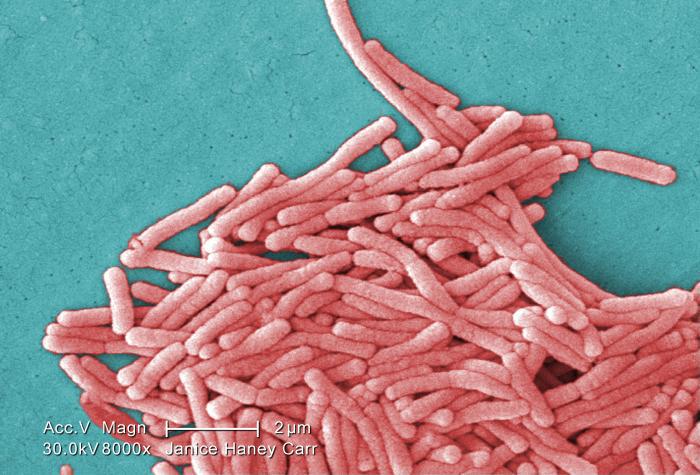
Legionella bacteria naturally thrive in warm, stagnant water, but when they infiltrate a complex healthcare facility, they transform into an invisible predator. For healthy individuals, exposure might mean nothing or perhaps a mild, self-limiting flu-like illness known as Pontiac fever. For the vulnerable patients occupying hospital beds, however, breathing in aerosolized mist containing these pathogens leads to Legionnaires' disease, a severe form of pneumonia with a fatality rate that rockets up to 25% in healthcare settings. Meanwhile, you can find similar developments here: Why East Africas Border Theatre Will Never Stop Ebola.
The Illusion of Corporate Reassurance
Public relations departments excel at smoothing over institutional failures with boilerplate language. Kaiser Permanente quickly assured the public that its operations were proceeding normally and that the bacteria were caught during routine monitoring. Yet, outside infectious disease specialists refuse to accept the corporate calming script.
When a hospital reports one or two cases of Legionella, infection control teams treat it as an isolated emergency. To reach 18 confirmed infections indicates a systemic breakdown. Infectious disease experts from institutions like the University of California, San Francisco, have pointed out that a cluster of this size is deeply alarming. It suggests that the bacteria did not just colonize a single faucet or showerhead; they established a stronghold within a significant portion of the building’s infrastructure. To explore the full picture, we recommend the excellent report by CDC.
By maintaining a tight lid on whether the 18 victims are patients, employees, or visitors, the hospital leaves crucial questions unanswered. The distinction is not academic. If the infections occurred primarily among admitted patients, it means the hospital’s primary defense systems failed the exact people they were built to protect. If employees are the ones falling ill, the contamination likely extends to staff break rooms, locker rooms, or the primary HVAC cooling towers that dictate the air quality of the entire campus.
How Complex Plumbing Systems Betray Modern Medicine
Modern hospitals are architectural marvels, but their vast, labyrinthine plumbing networks are structurally predisposed to microbiological hazards. To understand how an outbreak happens, one must look at the hidden ecology of industrial water pipes.
[Main Water Supply]
       │
       ▼
[Complex Hospital Piping] ───► Low-Flow/Stagnant Zones ───► Biofilm Formation
       │                                                         │
       ▼                                                         ▼
[Warm Water Systems (77°F-113°F)] ───────────────────────► Legionella Proliferation
                                                                 │
                                                                 ▼
[Showerheads, Faucets, Coolers] ────────────────────────► Aerosolized Mist
                                                                 │
                                                                 ▼
                                                          Patient Inhalation
Legionella bacteria flourish in a specific temperature window, precisely between 77°F and 113°F. In a massive facility like the Santa Clara Medical Center, thousands of gallons of water sit in low-flow zones or dead-end pipes that are rarely flushed. Over time, these stagnant pockets develop a microscopic slime layer known as biofilm.
This biofilm acts as an impenetrable shield. It protects the bacteria from standard chlorine levels found in municipal water supplies and provides a rich nutrient source. When water conditions are warm and stagnant, the bacteria multiply exponentially. The real danger occurs when this contaminated water reaches an outlet designed to generate a mist.
- Showerheads and sink faucets break the water into tiny droplets that patients inhale while bathing or washing.
- Cooling towers in commercial air conditioning systems can spray fine water vapor across entire roofs, which is then drawn into air intakes.
- Decorative fountains in lobbies create aesthetic ambiance at the cost of continuous aerosol generation.
- Respiratory therapy equipment, if cleaned with tap water instead of sterile water, introduces the pathogen directly into compromised lungs.
The Silent Economics of Deferred Maintenance
Behind every biological failure in a major facility lies an economic calculation. Operating a large medical center requires balancing massive overhead costs against patient care margins. Frequently, the unglamorous work of facility maintenance is the first area targeted for optimization or budget constraints.
Properly managing a hospital water system requires constant vigilance. Technicians must regularly flush unused lines, monitor chemical disinfectant levels at the furthest tips of the plumbing network, and maintain water temperatures outside the danger zone. In high-cost regions like the San Francisco Bay Area, finding and retaining skilled engineering and maintenance staff is an ongoing hurdle for large employers.
When maintenance schedules slip, or when staffing levels are thinned out to meet quarterly financial targets, the physical infrastructure degrades silently. A pipe that goes unflushed for two weeks can generate enough biofilm to seed an entire wing of a building. Once the bacteria embed themselves deeply into old galvanized or copper piping, treating the system requires aggressive hyper-chlorination or thermal shock, both of which erode the physical integrity of the pipes and require expensive, disruptive remediation.
Navigating the Grey Zone of Diagnosis and Liability
Diagnosing Legionnaires' disease is notoriously difficult because its early symptoms mimic standard bacterial or viral pneumonia. Patients suffer from a high fever, a dry cough, shortness of breath, and muscle aches. Crucially, Legionella also frequently causes gastrointestinal distress, such as nausea, vomiting, and diarrhea. This combination of lung and gut symptoms should tip off clinicians, but in a busy medical environment, it is easily overlooked without specific diagnostic testing.
Standard sputum cultures often miss the bacteria because Legionella requires a specialized growth medium. Hospitals must rely on urinary antigen tests or specific PCR assays to confirm a case.
| Diagnostic Method | Speed | Limitations |
|---|---|---|
| Urinary Antigen Test | Hours | Only detects Legionella pneumophila serogroup 1; misses other strains. |
| PCR Assay | Rapid | Highly sensitive, but may detect non-viable bacterial DNA. |
| Specialized Culture | Days | Slow turnaround; requires specific charcoal-based media. |
Because the symptoms are non-specific, many community-acquired cases go entirely unrecorded. The 18 confirmed cases in Santa Clara represent only the individuals who became sick enough to warrant advanced testing, or those caught in the net of the hospital's heightened surveillance.
The legal and reputational stakes of this outbreak are immense. For a healthcare provider, an environment meant for healing cannot become a vector for infectious disease. As public health authorities continue their environmental sampling of the Santa Clara facility, the legal discovery process will eventually force the disclosure of internal water quality logs, maintenance records, and staffing levels. The defense that the bacteria "occur naturally" will hold little weight if investigations reveal that routine preventative maintenance was sacrificed for operational expediency.
The true resolution to this crisis will not be found in corporate press releases or temporary chemical flushes. It demands a permanent commitment to treating structural plumbing with the same sterile discipline as surgical instruments. Until large healthcare networks view infrastructure maintenance as a direct component of patient survival rather than an administrative expense, invisible outbreaks will continue to quietly compromise the halls of modern medicine.