The financial press is currently obsessed with a phantom. If you follow the standard tickers, you’ve seen the headline: the White House claims a ceasefire in Iran has halted a sixty-day war deadline, and oil prices are ticking upward in response. The narrative is as predictable as it is wrong. The market "experts" want you to believe that geopolitical tension is a reliable floor for crude prices. They are wrong.
In reality, this "deadlock-breaking" ceasefire is the loudest sell signal we’ve seen all year.
Retail traders and legacy analysts are busy calculating "war premiums" while ignoring the structural decay of the oil market. When the White House steps in to announce a pause in hostilities, they aren't saving the economy; they are telegraphing that the geopolitical risk—the only thing propping up these inflated prices—is evaporating.
The Myth of the War Premium
Most analysts treat oil like a barometer for global peace. It isn't. It’s a commodity governed by the cold, hard math of supply and demand. For years, the industry has relied on the "Middle East tension" trope to mask the fact that the world is drowning in crude.
Every time a diplomat sneezes in Tehran, the price jumps by two dollars. That isn’t value; that’s anxiety. When you remove the threat of a sixty-day war deadline, you aren't stabilizing the price—you are removing the artificial life support.
Let’s look at the mechanics. A "halted deadline" means the immediate threat of supply disruption is off the table. In a rational world, that sends prices down. The current "rise" is nothing more than a dead cat bounce fueled by algorithmic trading bots reacting to the word "Iran" without reading the context. If you’re buying this rally, you’re providing exit liquidity for the people who actually understand the balance sheets.
The Secret Supply Glut Everyone Ignores
While the news cycle focuses on the White House, the actual fundamentals are screaming. We are looking at a massive, unacknowledged surplus.
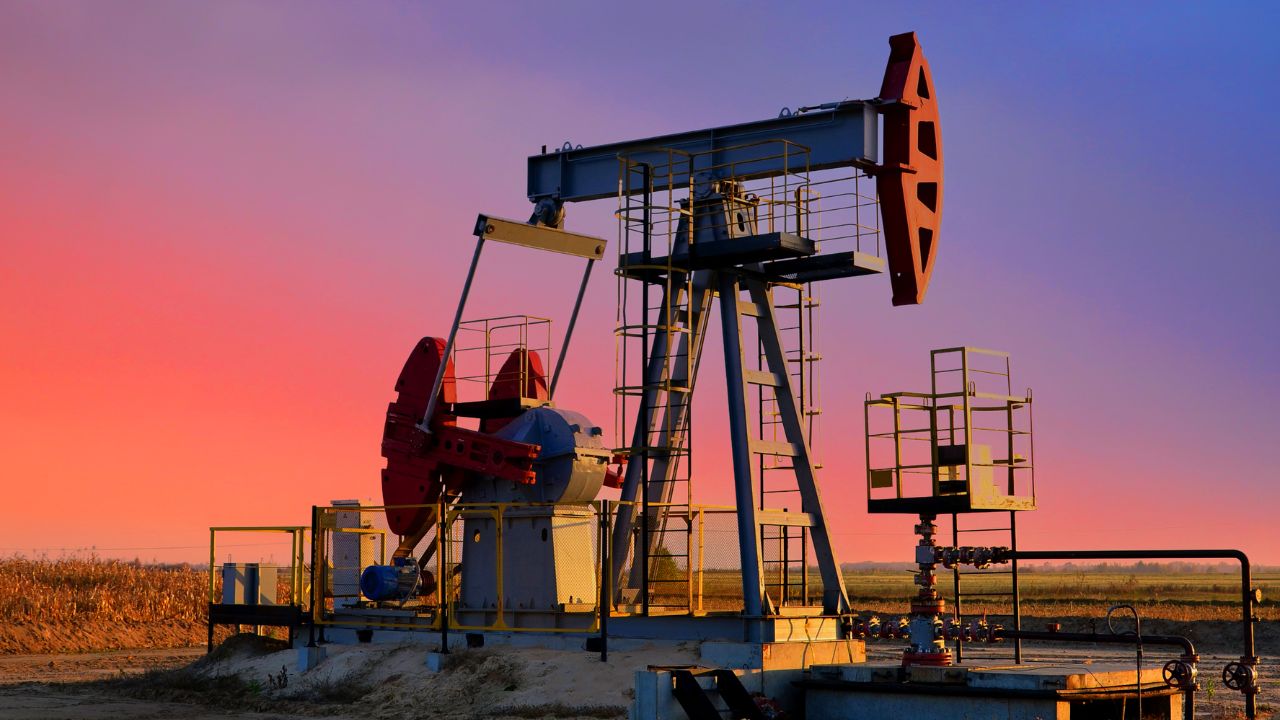
- US Shale is Indestructible: Despite years of claims that shale would peak, American production continues to break records. Efficiency gains in the Permian Basin mean that even at lower prices, the taps stay open.
- OPEC+ Fragility: The cartel is a marriage of convenience, and the cracks are showing. Members are tired of cutting production while the US grabs market share. A "peaceful" Middle East makes it harder for OPEC to justify holding back barrels.
- Chinese Demand is a Ghost: The world’s biggest importer isn't buying like it used to. The shift toward electrification and a slowing industrial sector in Asia means the "infinite growth" model for oil is dead.
When you factor in these three pillars, the idea that a ceasefire should make oil more expensive is laughable. Peace is bearish for oil. Period.
Stop Asking if Oil Will Hit One Hundred Dollars
People constantly ask, "When will we see $100 oil again?" It’s the wrong question. You should be asking, "How low can it go before the major players start cannibalizing each other?"
The consensus view assumes that geopolitical risk is an additive value. I’ve spent two decades watching hedge funds get slaughtered because they bet on headlines instead of flow data. I’ve seen portfolios erased because someone thought a carrier strike group in the Mediterranean was a "buy" signal.
The truth is that the "war deadline" was the only thing keeping speculators in the game. Without the threat of an immediate explosion, the focus shifts back to the fact that we have too much oil and too few buyers.
The Diplomacy Trap
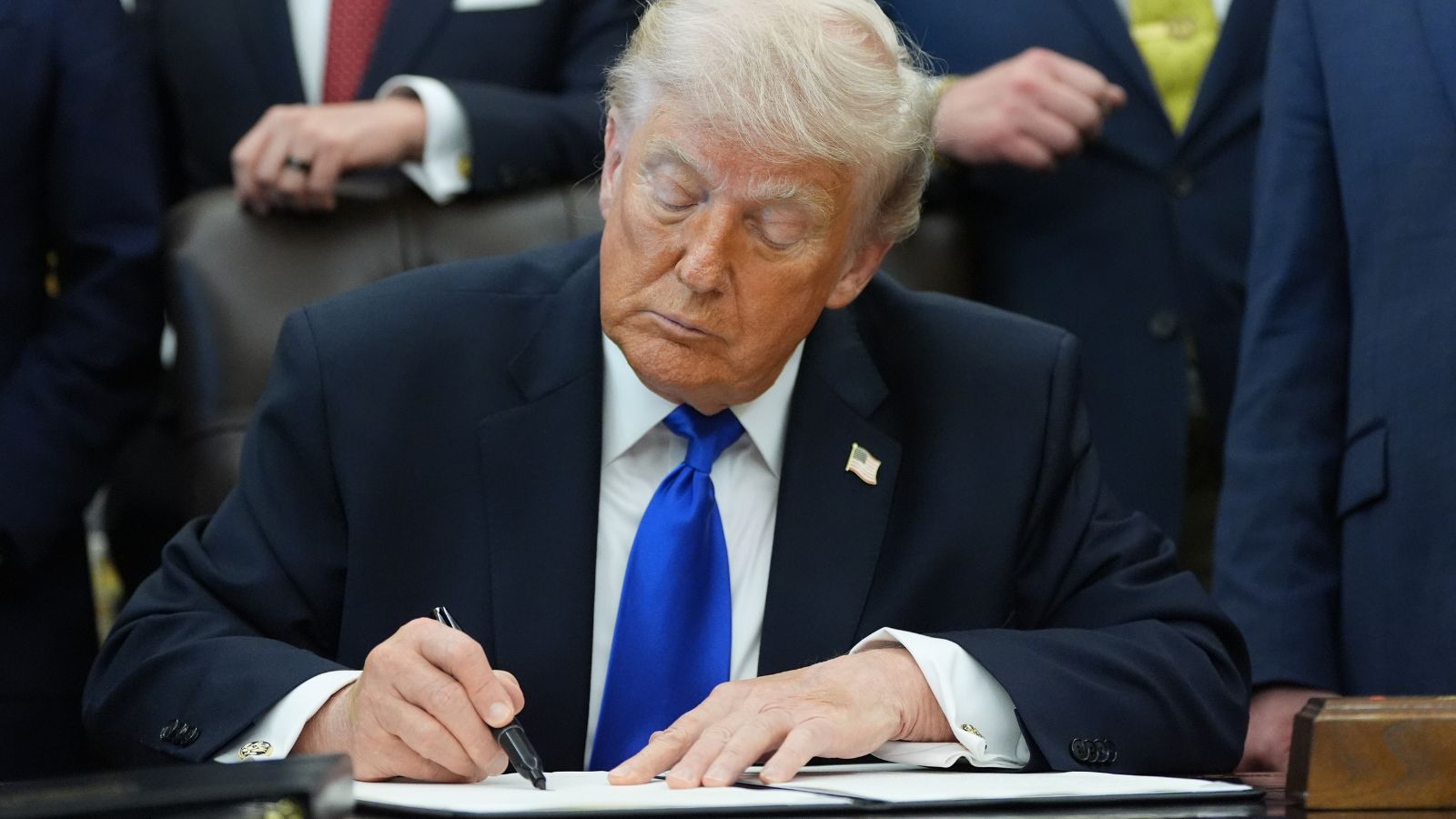
Watch the language coming out of Washington. When the White House brags about halting a war deadline, they are doing it to lower inflation expectations. They want cheaper gas at the pump. It is fundamentally contradictory to believe that a successful White House diplomatic intervention will lead to sustained higher oil prices. The goal of the policy is the exact opposite of the market's reaction.
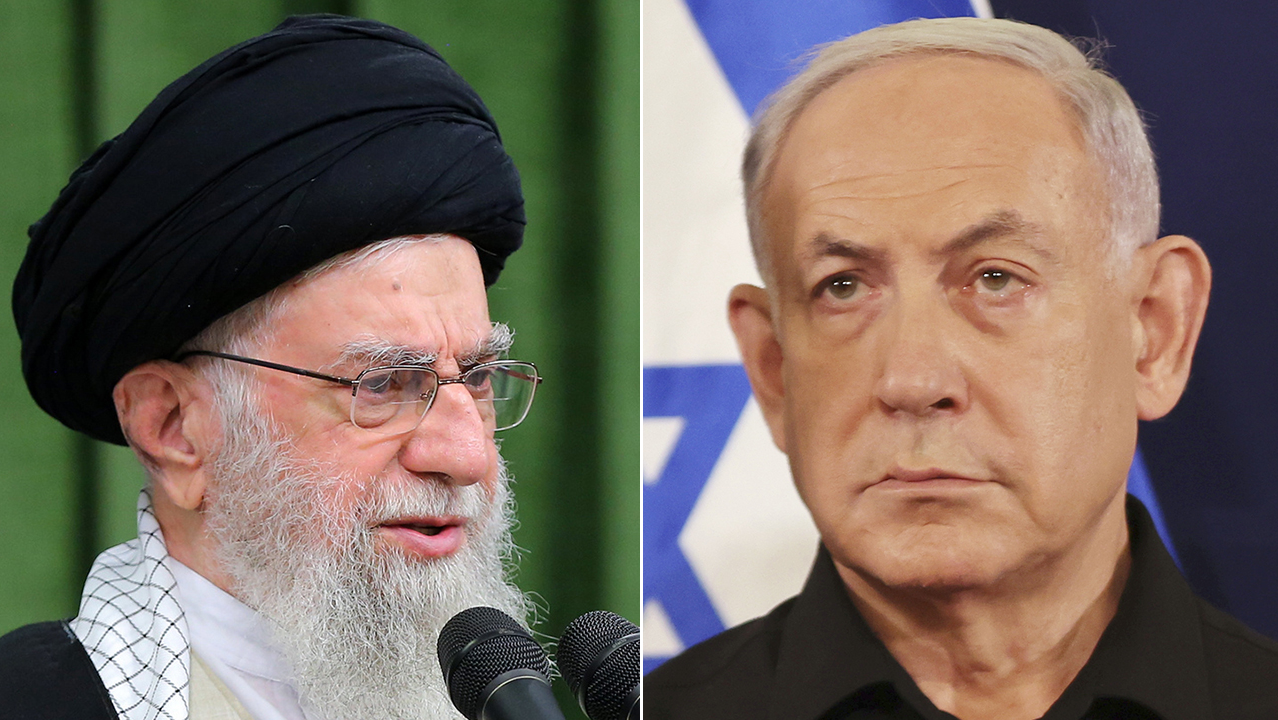
Diplomacy in the Middle East is usually a precursor to a flood of Iranian barrels hitting the market. If a real, long-term deal is reached, millions of barrels of sanctioned oil will eventually find their way back into the global supply chain.
Imagine a scenario where the "threat" of war is replaced by the "threat" of a million extra barrels a day from an unshackled Iranian export machine. That isn't a bull case. That is a price collapse waiting to happen.
The Volatility Mirage
The current rise in oil is a trap set by volatility. High-frequency traders love these headlines because they create "noise." But noise isn't a trend.
If you look at the moving averages, oil has been in a downward channel for months. Every "geopolitical spike" is lower than the last one. We are seeing a classic series of lower highs. The "Iran ceasefire" headline is just another peak before the next, deeper valley.
The Real Risks Nobody Mentions
- The Dollar Strength: As long as the dollar remains the world’s reserve currency and interest rates stay "higher for longer," oil—priced in dollars—will face massive headwinds.
- Storage Capacity: We are approaching a point where physical storage is becoming a concern again. When tanks are full, the price doesn't just "dip"—it craters.
- The ESG Lag: While the "green transition" is often overhyped, the divestment from traditional energy is real. Capital is more expensive for oil companies than it was a decade ago. They can’t just drill their way out of a price slump anymore.
How to Actually Trade This
If you want to follow the herd, keep reading the mainstream tickers and buying the "war premium" hype. You’ll be broke by Christmas.
The contrarian play is to wait for the hype to die down—which usually takes about forty-eight hours—and then short the inevitable correction. When the market realizes that the ceasefire doesn't mean "less oil," but rather "the same amount of oil with less drama," the price will revert to its mean. And that mean is significantly lower than where we are today.
I've watched traders lose their shirts trying to time a Middle Eastern conflict. They treat the Strait of Hormuz like a casino. But the house always wins, and in this case, the "house" is a global economy that is rapidly learning to live without $90 barrels.
Stop listening to the "geopolitical analysts" who couldn't tell a Brent contract from a WTI swap. They are paid to create drama. The drama sells ads; it doesn't make you money.
The "sixty-day war deadline" was a bogeyman. Now that the bogeyman is gone, there’s nothing left to be afraid of except the crushing weight of oversupply.
The White House didn't just halt a war; they popped the only bubble keeping the oil market afloat. Get out while there’s still someone left to buy your position.