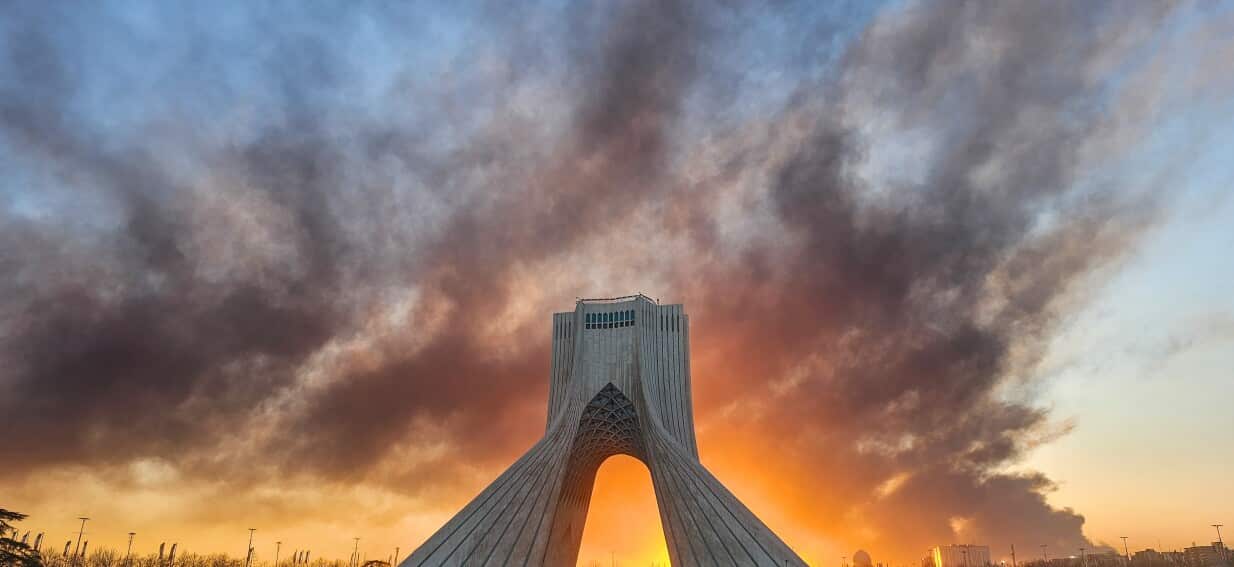
The smoke over Tehran hasn't even cleared, but the military assessment is already in. Admiral Brad Cooper, the head of U.S. Central Command, says Operation Epic Fury is currently running "ahead of the game plan." While that might sound like a victory lap from the Pentagon, global markets are having a much more violent reaction. We’re seeing a massive disconnect between battlefield success and economic stability. If you’re looking at your portfolio or the price at the pump, "ahead of schedule" feels like a threat, not a promise.
The core of the issue is simple. The U.S. and Israel have successfully dismantled Iran’s command structure, killed its Supreme Leader, and neutralized its navy in less than 100 hours. But in doing so, they’ve kicked a hornet's nest that spans the entire global energy supply chain. The military is winning the "shooting war," but the "economic war" is just starting to bite.
The Battlefield Reality vs Market Panic
Admiral Cooper’s briefing on Tuesday evening was blunt. He noted that the first 24 hours of this campaign were nearly double the scale of the 2003 "Shock and Awe" opening in Iraq. We’re talking about 50,000 U.S. troops, 200 jets, and two aircraft carrier groups conducting strikes from "seabed to space."
Military analysts are calling it a masterclass in degradation. More than 2,000 targets have been hit. Iran’s navy? It basically doesn't exist anymore after 17 vessels were sent to the bottom of the Persian Gulf. From a purely tactical standpoint, the U.S. is winning.
But markets don’t trade on tactical wins; they trade on certainty. And right now, the only certain thing is that the Strait of Hormuz is a no-go zone. Iran’s Revolutionary Guard claims full control over the waterway, and with reports of ten tankers already struck, insurance companies have pulled coverage. This has effectively choked off 20% of the world’s oil supply overnight.
Why the Price Spike is Different This Time
You might remember past Middle East tensions where oil spiked and then leveled off. This feels different because the goal has shifted. President Trump isn't just talking about "deterrence" anymore. The rhetoric has moved toward total "regime change." When you tell the world you’re staying until the clerical leadership collapses, you’re telling markets to prepare for a months-long supply disruption.
- Gold and USD: Both are surging as investors sprint toward safe havens.
- Aviation: Over 20,000 flight cancellations have turned regional hubs like Dubai and Doha into ghost towns.
- Oil: Even with a global oversupply, the "fear premium" is adding $10 to $20 to every barrel because nobody knows if the next missile will hit a Saudi refinery or a Kuwaiti desalination plant.
The Strategy Behind Operation Epic Fury
Why go this hard, this fast? The Trump administration claims it was a "preemptive" necessity. Intelligence reportedly showed Iran was preparing to launch its entire ballistic missile arsenal. Rather than wait for the hit, the U.S. and Israel went for the jugular—specifically the leadership compounds in Tehran.
The killing of Ayatollah Ali Khamenei on the first day was the ultimate "ahead of schedule" moment. Usually, leadership targets are held in reserve or missed entirely. Hitting the top of the pyramid so early has left the Iranian military in a state of "fragmented retaliation." They can’t coordinate a massive, country-wide defense, so they’re lashing out with whatever drones and missiles are left in the silos.
This is why Admiral Cooper says the U.S. is ahead. They’ve forced Iran into a reactive, desperate mode. But a desperate Iran is arguably more dangerous for the global economy than an organized one. An organized military follows a chain of command; a desperate one starts sinking random cargo ships just to cause chaos.
The Hidden Risks of a Rapid Victory
There’s a real danger in winning too fast. If the Iranian government collapses tomorrow, who takes over? German Chancellor Friedrich Merz has already warned that the plan for political change is "not without risk." We’ve seen this movie before in the Middle East. You knock out the central authority, and you end up with a vacuum filled by a dozen different militias.
For the average person, the immediate concern isn't the political future of Tehran—it's the midterm elections in November. Trump is betting that a quick, decisive military win will overshadow the pain of $6-a-gallon gas. It’s a massive gamble. If the "game plan" hits a snag and this drags into a summer-long insurgency, the economic fallout will be the only thing voters remember.
What to Watch for Next
Don't get distracted by the daily target counts. To see where this is actually going, watch these three indicators:
- Tanker Escorts: If the U.S. Navy starts physically escorting tankers through the Strait, it means they’re confident they’ve suppressed Iran’s coastal batteries. If they don't, the shipping freeze continues.
- OPEC+ Output: Watch for Saudi Arabia or the UAE to announce emergency production hikes. If they stay quiet, they’re worried about being targeted next.
- Domestic Unrest in Iran: If we see widespread protests coinciding with the strikes, the regime-change goal becomes a lot more realistic.
Honestly, the military "game plan" is the easy part. Breaking things is what the U.S. military does best. The hard part is the "day after" and the "dollar after." We’re currently in the most volatile period of 2026, and while the generals are happy with their progress, your brokerage account likely isn't.
Keep a close eye on the Strait of Hormuz shipping data. If the daily transit numbers don't start climbing back up from the current low of two vessels per day, the military's "ahead of schedule" status won't mean much to a global economy sliding toward recession. You should probably look at diversifying into energy-independent sectors or commodities that hedge against prolonged regional instability.