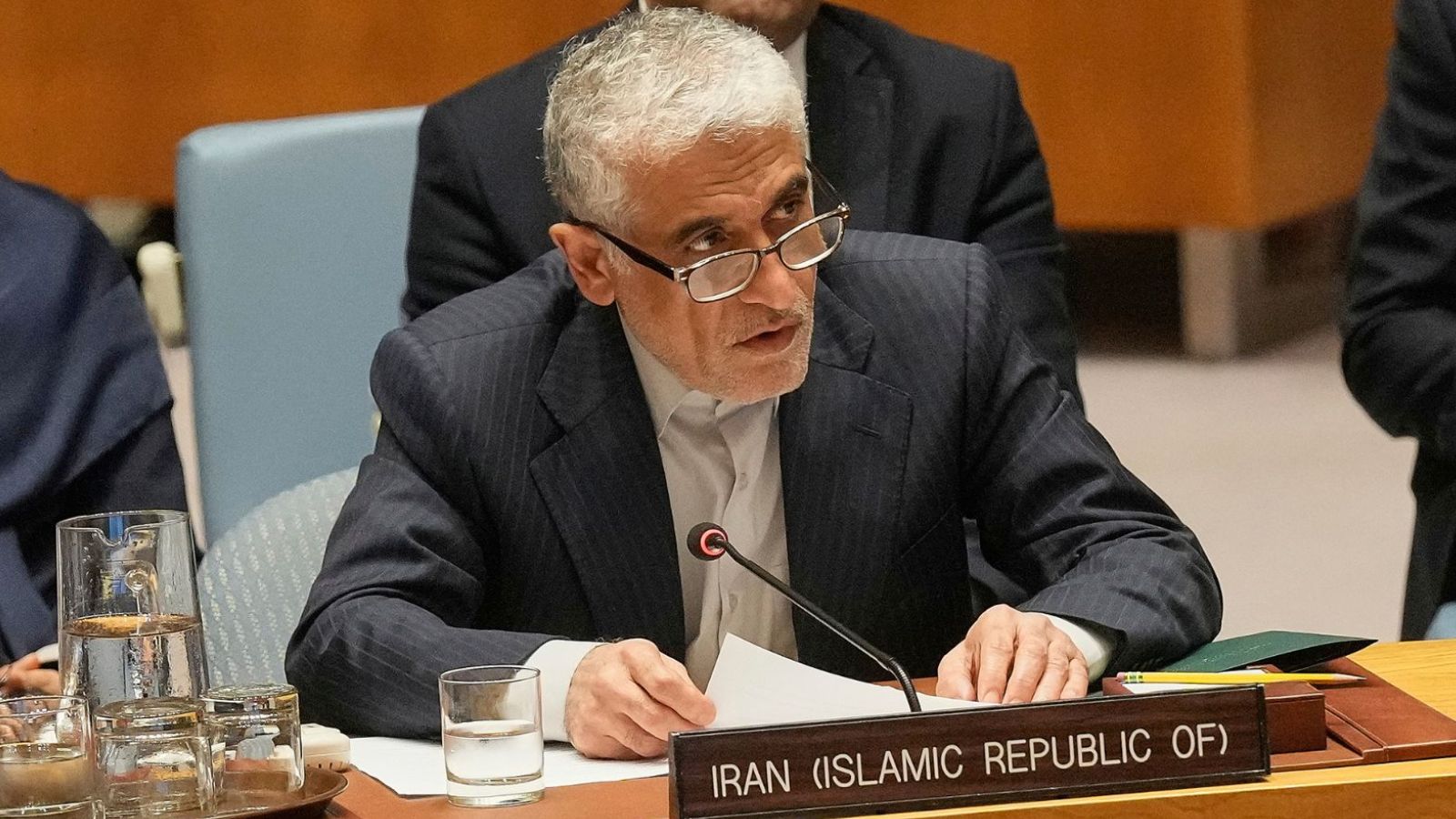
Diplomacy often feels like a performance where everyone knows the script but nobody wants to play the lead. Right now, Iran is making it clear they aren't even interested in a seat in the theater. Despite a fresh extension of the ceasefire and frantic back-channeling from regional powers, Tehran has issued a "final decision" to skip upcoming peace talks. It’s a move that many saw coming, yet it still manages to rattle the fragile stability of the Middle East. If you’re looking for a sign that the regional temperature is dropping, this isn't it.
The refusal to sit at the table isn't just about stubbornness. It’s a calculated geopolitical stance. While the international community—led by the UN and various European mediators—pushed for a sit-down following the truce extension, Iran’s leadership seems to view these specific negotiations as a rigged game. They don't see a path to their goals through these moderated sessions. Instead, they see a platform designed to box them in.
Why the Ceasefire Extension Failed to Buy Peace
Ceasefires are usually breathers. They’re supposed to provide the humanitarian space needed to make diplomacy work. But in this case, the extension has acted more like a pause button on a high-stakes standoff rather than a step toward a solution. Iran’s refusal to attend suggests that the underlying issues are far too deep for a simple "halt in play" to fix.
Tehran’s officials have been blunt. They argue that the framework of the proposed talks ignores their core security concerns. From their perspective, the "peace" being offered looks a lot like a demand for unilateral concessions. You don't go to a meeting when you feel the agenda was written by your opponents. It’s that simple.
The ceasefire itself is shaky. We’ve seen this before. One side claims a violation, the other retaliates, and the cycle resets. By staying away, Iran avoids being tied to a process that they believe is destined to crumble anyway. They’d rather stay on the outside than be blamed for a collapse from within.
The Strategy Behind the Final Decision
When a nation uses the phrase "final decision," they’re trying to kill the conversation. It’s a signal to the mediators to stop calling. But why now? Iran is likely playing a longer game. By holding out, they maintain their leverage. They know that without their presence, any agreement reached is basically a piece of paper with no teeth.
They also face internal pressures. Hardliners in Tehran view any participation in Western-led talks as a sign of weakness. For the current administration, appearing "tough" is often more important for domestic survival than being "cooperative" on the world stage. They’re betting that the world needs them more than they need the world right now.
- Security guarantees: Iran wants ironclad promises that their borders and interests won't be targeted.
- Sanctions relief: Without a clear path to economic recovery, talks are a non-starter.
- Regional influence: They aren't going to negotiate away their ties to local militias or political groups.
The Misconception of Iranian Isolation
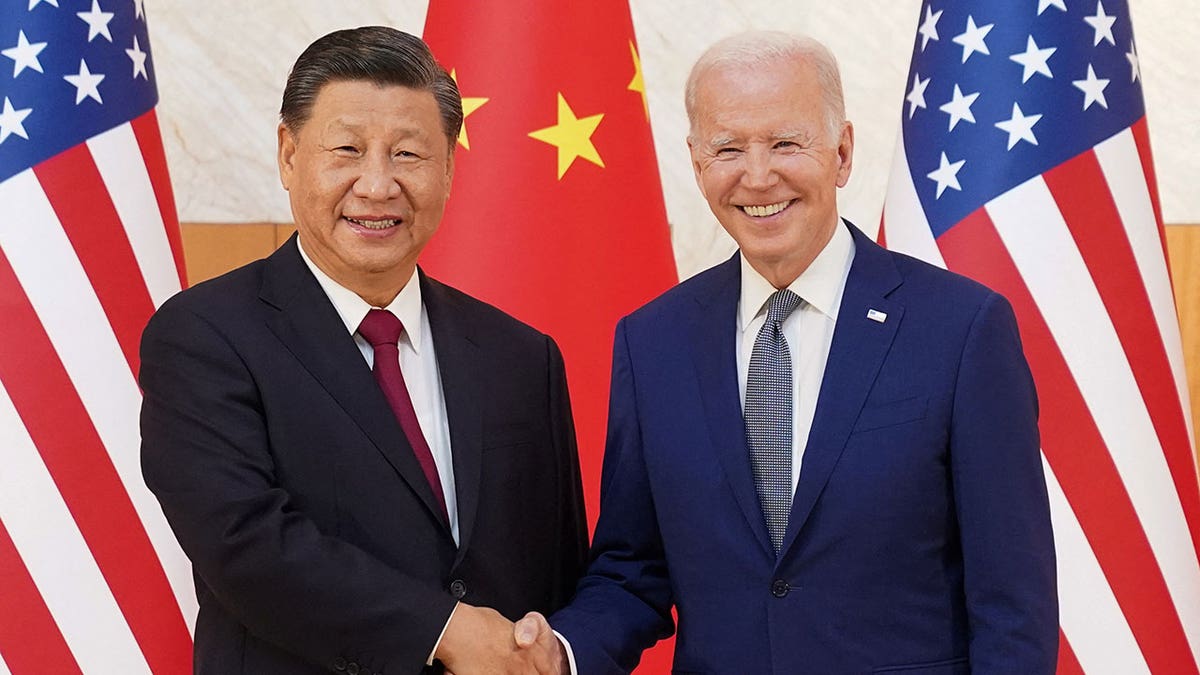
A lot of analysts like to say Iran is isolating itself. That’s a mistake. They aren't isolated; they’re just choosing their partners differently. While they skip these peace talks, they’re busy strengthening ties with Moscow and Beijing. This isn't a country retreating from the world—it’s a country pivoting away from the Western diplomatic order.
The West often treats peace talks as the only game in town. Iran doesn't see it that way. They see a multi-polar world where they can find support elsewhere. If the US and Europe can't offer them a deal they like, they’ll look for a better one in the East. This shift makes the current "peace process" look increasingly outdated.
What This Means for Regional Stability
Expect more of the same. That’s the hard truth. Without Iran at the table, the conflict they’re involved in will likely remain in this "frozen" state. The ceasefire might hold for a few more weeks, or even months, but it won't lead to a permanent resolution. It’s a band-aid on a gunshot wound.
Neighbors like Saudi Arabia and the UAE are watching closely. They’re the ones who have to live with the fallout. If Tehran won't talk, the risk of a miscalculation increases. All it takes is one drone strike or one misinterpreted naval maneuver to turn this "extended ceasefire" back into a hot war.
The international community needs to stop pretending that the current format of talks is working. You can’t keep inviting someone to a party they’ve clearly stated they won't attend. It’s time for a different approach—one that actually addresses why the door was slammed in the first place.
How to Track the Real Impact
Don't just watch the headlines about "missed talks." Watch the borders. Watch the shipping lanes. The real story isn't happening in a conference room in Geneva or Doha; it’s happening on the ground.
- Monitor the rhetoric coming out of the Iranian Revolutionary Guard (IRGC). Their tone often tells you more than the Foreign Ministry.
- Keep an eye on oil prices. Markets are the best barometer for how "final" these decisions actually feel to the people with money on the line.
- Look for "side deals." Iran might skip the big summit but keep talking to individual neighbors behind closed doors.
The "final decision" might not be so final if the incentives change. But for now, don't expect a seat to be filled. The chair is empty, the door is locked, and the clock is still ticking. If you're waiting for a breakthrough, you're going to be waiting a long time. Keep your eyes on the regional troop movements and the rhetoric from Tehran's allies. That's where the real "peace process" is being written.