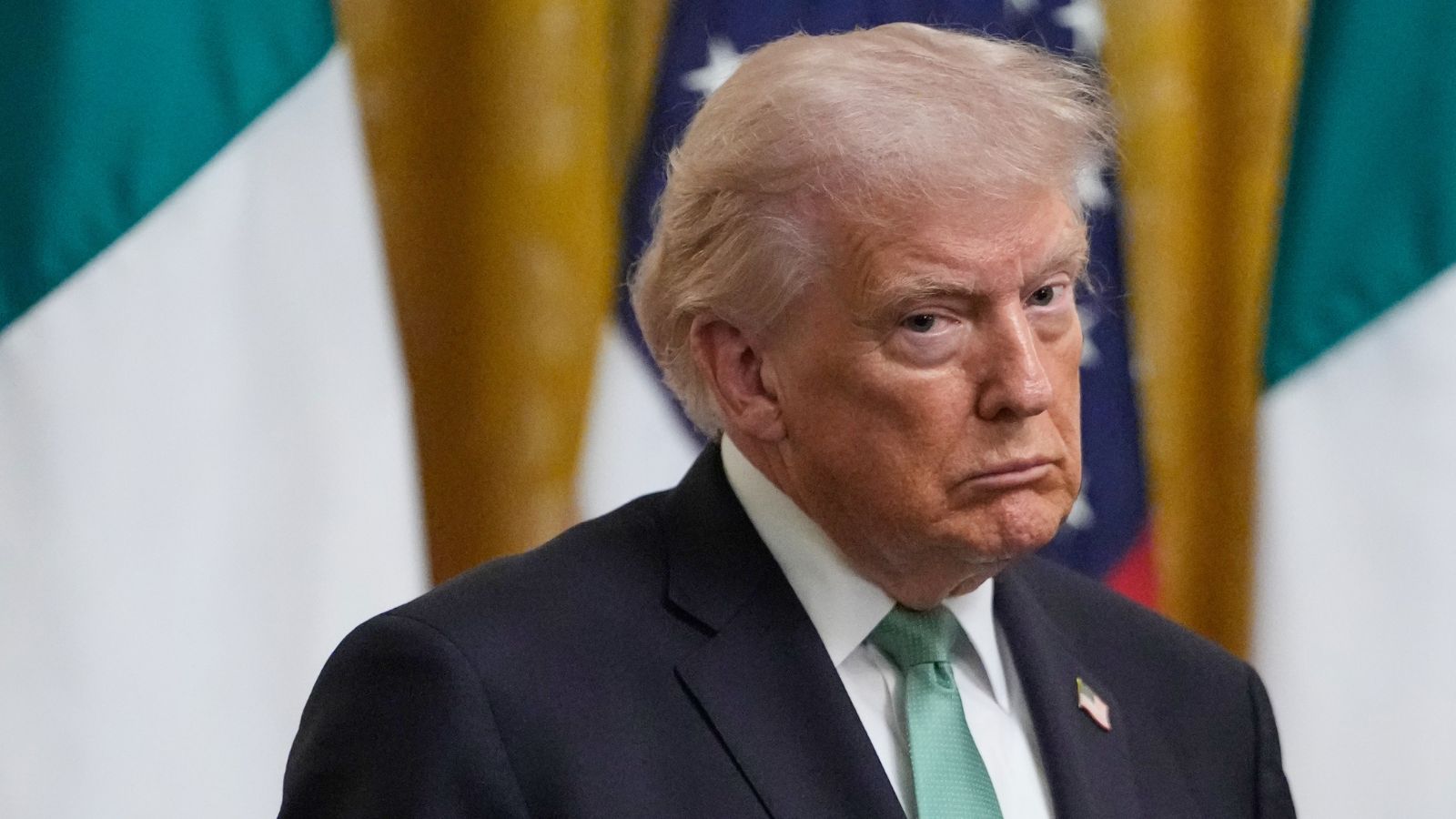
Donald Trump finally did the one thing his most loyal supporters thought he’d never do. He started a major war. After years of mocking "neocons" and promising to end "forever wars," the February 2026 strikes on Iran have created a massive fracture in the Make America Great Again movement. This isn't just a policy debate. It’s an identity crisis.
For a decade, the MAGA brand was built on a very specific promise: America First means staying home. But with U.S. and Israeli forces now engaged in a campaign that killed Supreme Leader Ali Khamenei and sent oil prices through the roof, that promise looks broken. If you're wondering why your favorite right-wing influencers are suddenly fighting each other, it's because the movement is being forced to choose between loyalty to the man and loyalty to the message.
The end of the non-interventionist honeymoon
The "America First" crowd isn't a monolith, and this war proves it. Since the strikes began, high-profile figures who once marched in lockstep with Trump are walking away. Marjorie Taylor Greene, who essentially made a career out of being Trump’s loudest defender, has been one of the sharpest critics. She’s calling it "America Last." On her social media, she's been blunt: "We said no more foreign wars."
It’s a sentiment echoed by Tucker Carlson and Steve Bannon. They aren't just expressing concern; they’re using words like "betrayal." For these figures, the war represents a return to the Bush-era neoconservatism they spent years trying to bury. They see Secretary of State Marco Rubio and Defense Secretary Pete Hegseth as the "new hawks" who’ve successfully whispered in Trump’s ear.
Why this split is different from 2020 or 2024
In previous years, Trump could move the goalposts and his base would follow. If he changed his mind on a trade deal or a cabinet pick, the "trust the plan" mantra usually kept the peace. This time, the "plan" involves 13 dead U.S. service members and $5-a-gallon gas.
- The Economy vs. The Mission: Trump’s casual voters—the ones who don't care about geopolitics but love low inflation—are seeing their bank accounts hit. When oil prices spike, the "peace and prosperity" argument disappears.
- The Generative Gap: Younger MAGA influencers, specifically Gen Z voices like Jack Posobiec, are pointing out that their generation wants domestic fixes—deportations and economic relief—not a desert war.
- The Israel Factor: For a portion of the base, the fact that this is a joint operation with Israel is a selling point. For the more isolationist wing, it's proof that American interests are being sidelined for a foreign ally.
The "Unconditional Surrender" gamble
Trump hasn't backed down. He’s doubling through the criticism, demanding nothing less than "unconditional surrender" from Tehran. He's dismissed the backlash as coming from people who don't understand that Iran is a "detour" necessary for long-term safety.
But "detours" in the Middle East have a habit of lasting twenty years. The administration is claiming this won't require "boots on the ground," yet they've already moved thousands of troops into the region for "contingencies." We've seen this movie before. The skeptical wing of MAGA knows exactly how it ends: a power vacuum, a trillion dollars spent, and another decade of regional instability.
Breaking ranks in Congress
It’s not just the influencers. In the halls of D.C., the GOP is quietly—and sometimes loudly—splitting. While leaders like John Thune are trying to keep a lid on things by avoiding public hearings, guys like Thomas Massie are openly voting with Democrats on war powers resolutions.
Massie’s stance is simple: this war is unconstitutional because Congress didn't vote on it. This puts the "Constitutionalist" wing of the GOP in a bind. Do they support the President’s power as Commander-in-Chief, or do they stick to the literal text of the Constitution that says only Congress can declare war? So far, the party is choosing silence, but as the costs mount, that silence is getting harder to maintain.
What this means for the 2026 midterms
The timing couldn't be worse for the Republican party. If the war drags into the summer and fall, every GOP candidate is going to have to answer for it.
- Primary Challenges: Expect the "America First" purists to run against "War Hawk" incumbents. This could lead to a series of nasty, expensive primaries that leave the party bruised before the general election.
- Voter Apathy: The biggest risk isn't that MAGA voters will switch to Democrats. It’s that they’ll stay home. If you felt betrayed by the one guy you thought wouldn't start a war, why bother showing up to vote for his allies?
- The Gas Pump Factor: History shows that if gas prices are high in November, the party in power loses. Period.
The myth of the quick victory
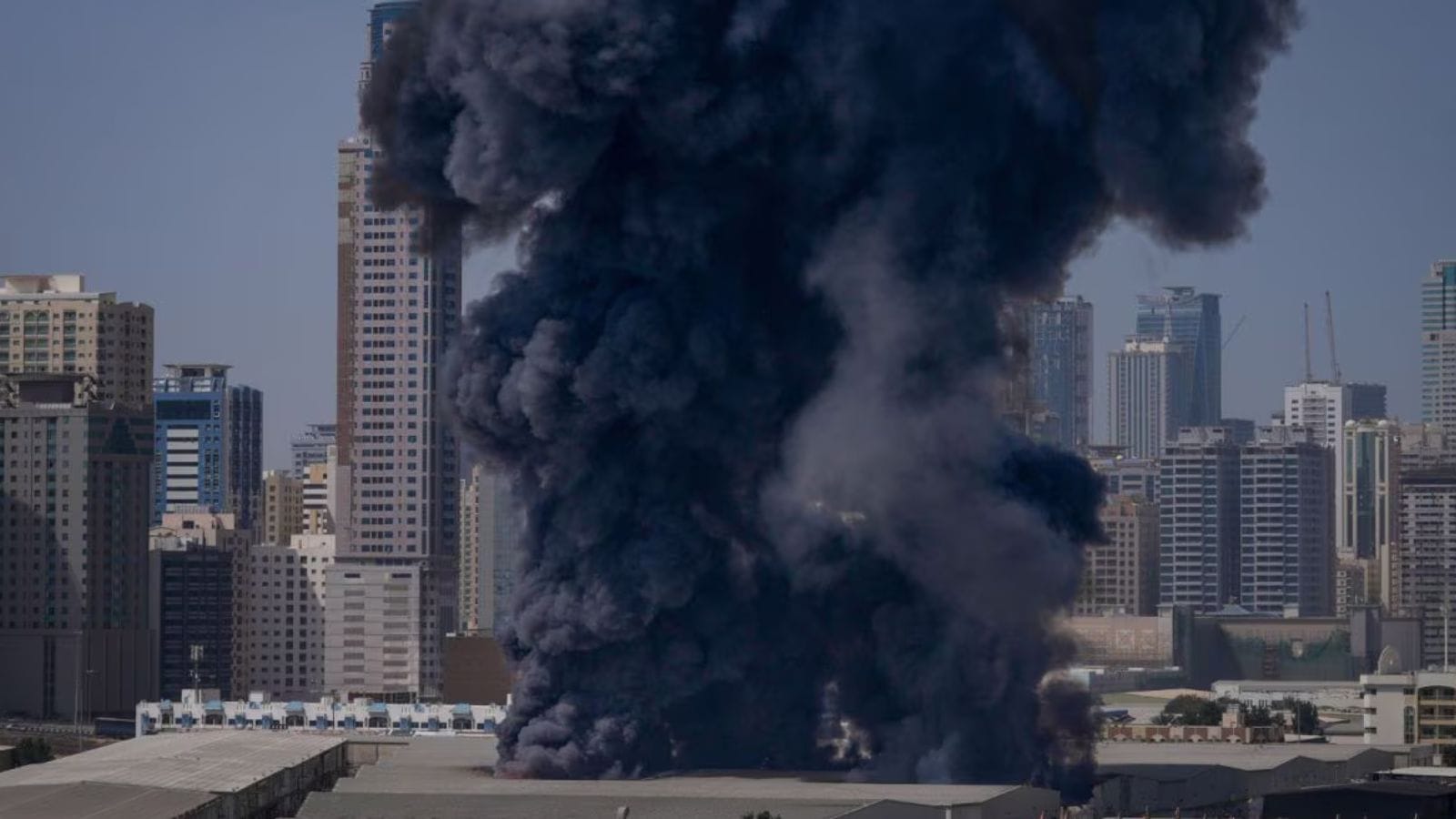
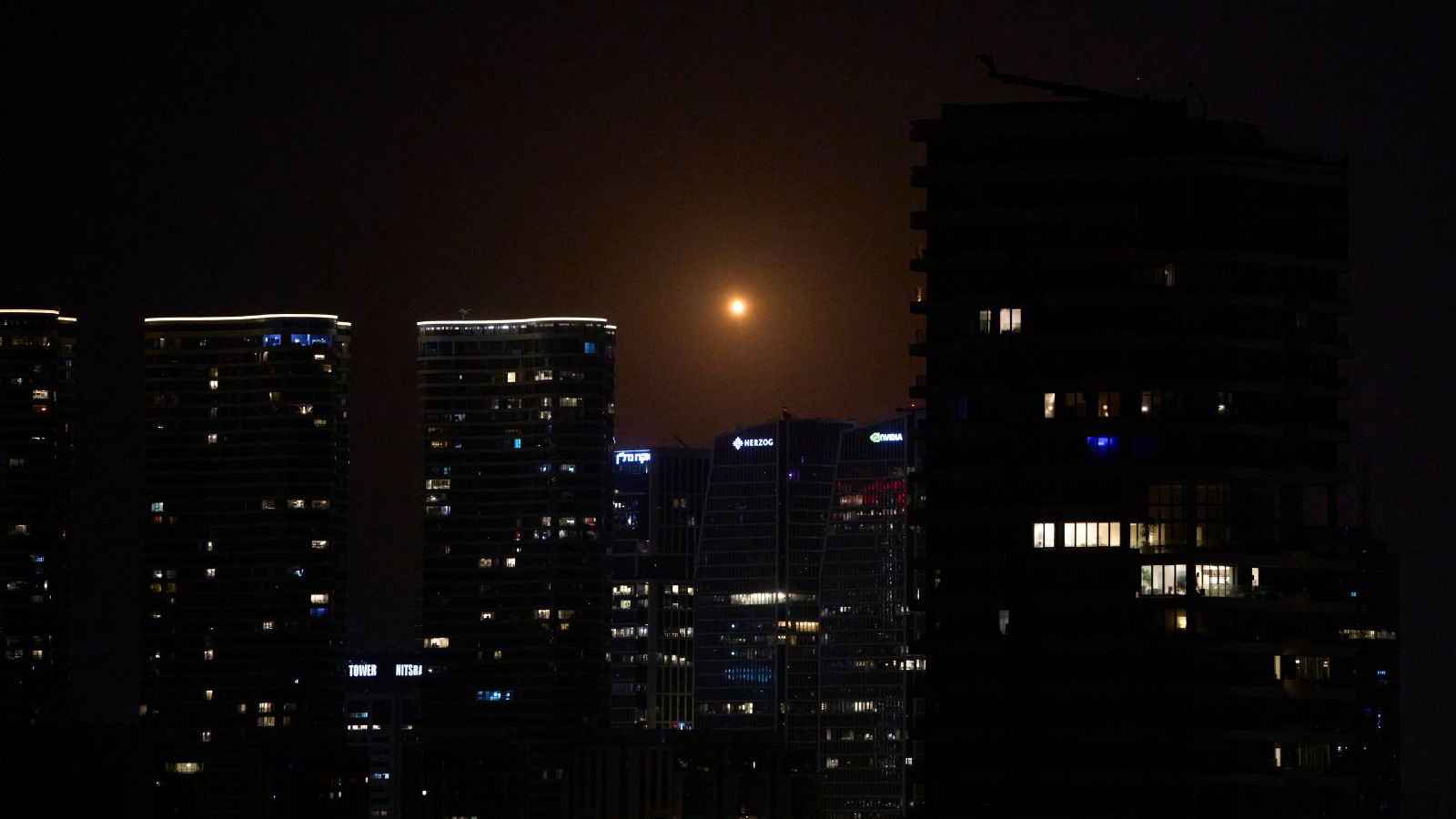
The administration keeps suggesting this could be over in four to six weeks. But as we enter the third week of combat, Iran’s proxy network is already retaliating. Drones are hitting U.S. bases, and the Strait of Hormuz is a "no-go" zone for tankers.
If this turns into a war of attrition, the MAGA coalition as we know it might not survive. The movement was always a fragile alliance between religious conservatives, economic nationalists, and anti-war libertarians. Take away the "anti-war" and "economic" pillars, and you're left with a very different, much smaller group of supporters.
If you're watching this unfold, look at the gas prices and the social media feeds of the top MAGA influencers. That’s where the real war is being fought. Trump is betting that a "win" in Iran will silence the critics. His critics are betting that there's no such thing as a "win" in a region that has swallowed up every American ambition for forty years.
If you want to track how this is shifting the political map, keep a close eye on the primary filings in deep-red districts over the next month. That's where the "America First" revolt will go from tweets to actual ballots.