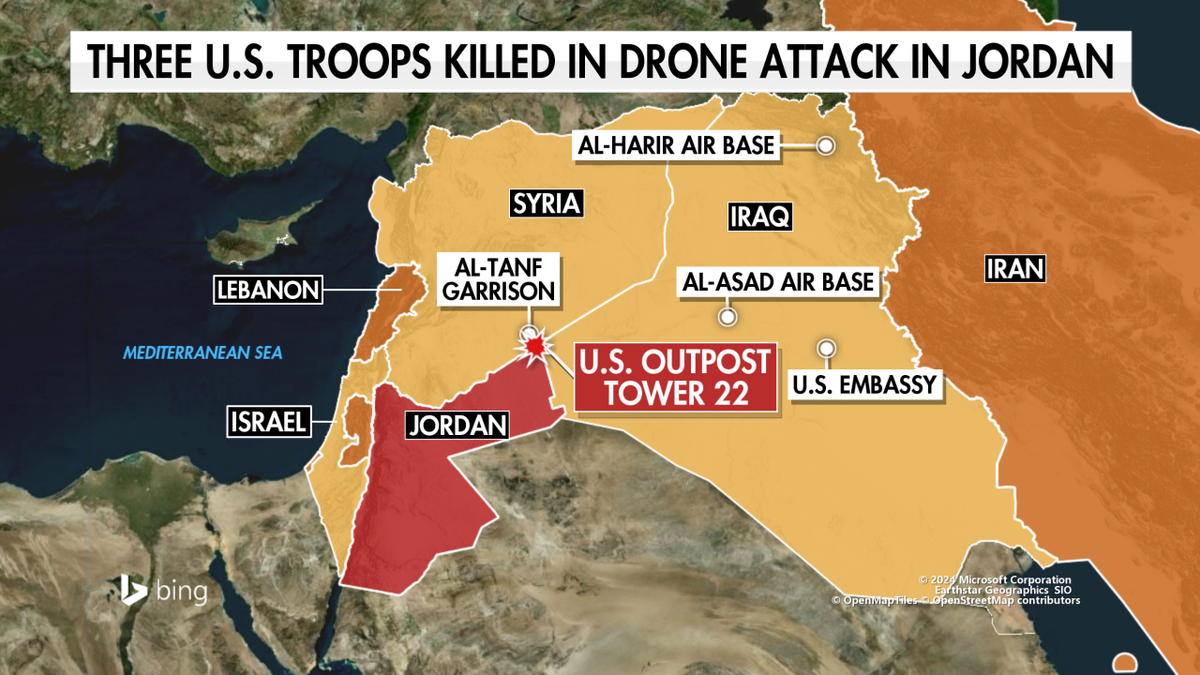
The shadow war just stepped into the light. Reports are surfacing that a suspected Iranian drone targeted a CIA station within Saudi Arabia, marking a massive escalation in a region already sitting on a powder keg. This isn't just another border skirmish or a proxy fight in the Yemeni desert. It’s a direct hit on American intelligence infrastructure on Saudi soil. If you've been following Middle Eastern geopolitics, you know this crosses a line that’s stayed mostly intact for decades.
The precision of the strike suggests a level of sophistication that should make every security analyst in Washington lose sleep. We aren't talking about a homemade "flying lawnmower" built in a basement. This looks like a coordinated effort to blindside the very people whose job it is to see these things coming.
The Reality of the Saudi Drone Vulnerability
For years, the narrative was that Saudi Arabia’s multi-billion dollar air defense systems—mostly American-made—were an impenetrable wall. That myth died a while ago, but this latest strike buries it. The CIA station, a hub for regional signals intelligence and counter-terrorism operations, was supposed to be one of the most protected patches of dirt in the Kingdom.
Sources indicate the drone used may be a variant of the Shahed series, the same loitering munitions that have plagued Eastern Europe. These things are small, they fly low, and they have a radar cross-section that makes them look like a large bird until it’s too late. When you combine that tech with GPS-denied navigation capabilities, you get a weapon that can bypass traditional Patriot missile batteries.
The Saudis have spent a fortune on high-altitude defense. However, they're consistently failing at the "low and slow" game. It’s a classic case of preparing for the last war while the next one is literally flying over your fence.
Why This Specific CIA Station Matters
This wasn't a random coordinate in the sand. This facility serves as a critical link for monitoring Iranian maritime movements in the Persian Gulf and coordinating drone logistics for missions across the peninsula. By hitting this spot, the message from Tehran is clear. They know where the "invisible" Americans are. They can reach them. And they aren't afraid of the fallout.
The presence of the CIA in Saudi Arabia has always been a sensitive topic. It’s a partnership built on necessity but often strained by shifting political winds in D.C. and Riyadh. A direct strike on this station forces the U.S. to decide whether to double down on its physical footprint or start pulling back to over-the-horizon operations.
Honestly, pulling back is exactly what the Iranians want. They're playing a long game of attrition. They don't need to win a head-to-head naval battle against a U.S. carrier strike group. They just need to make staying in the region too expensive—politically and physically—for the United States to justify.
The Intelligence Failure Behind the Smoke
There's no way to sugarcoat this. If an Iranian drone hit a CIA-linked facility, there was a massive breakdown in early warning. You have to ask how a drone traversed Saudi airspace, likely coming across the Gulf or through a third-party launch site, without being vectored by Aegis systems or ground-based radar.
- Electronic Warfare Gaps: It’s possible the drone used frequency hopping that outpaced local jamming efforts.
- Intelligence Blindspots: We might be overestimating our ability to track small-scale launch platforms.
- The Proximity Factor: If the drone was launched from within Saudi borders by a sleeper cell, the flight time would be minutes, leaving zero room for a kinetic response.
The fallout from this will likely lead to a quiet but brutal purge of security protocols within the Riyadh-Washington intelligence sharing agreement. Trust is a currency that's currently trading at an all-time low.
What Happens When the Red Lines Vanish
We used to talk about "red lines" as if they were physical barriers. In reality, they're just psychological agreements that only work if both sides are scared of the consequences. Iran doesn't seem scared anymore.
By targeting an intelligence station rather than a purely military or civilian one, they’ve picked a target that is hard for the U.S. to scream about publicly without admitting how much they have on the ground. It’s a chess move designed to embarrass. If the U.S. retaliates heavily, it risks a full-scale regional war. If it does nothing, it looks weak and invites more strikes.
You’re going to see a lot of talk about "proportional response" in the coming days. That’s usually code for "we don't know what to do yet." But while the politicians talk, the technical teams are likely scrambling to deploy directed-energy weapons—lasers—to these high-value sites. Kinetic interceptors like the Patriot are simply too expensive and too slow for this kind of threat.
Practical Steps for Regional Stability
If you're operating in the region or managing assets there, the game has changed. You can't rely on the "U.S. Umbrella" to cover every contingency.
- Audit Physical Security: Move beyond perimeter fences. You need active drone detection systems that utilize acoustic and optical sensors, not just radar.
- Hardening Facilities: It’s time to go back to Cold War-era structural reinforcement. If it isn't underground or behind reinforced concrete, it's a target.
- Redundancy in Communication: The strike on the CIA station was likely aimed at disrupting communication loops. Ensure you have satellite and mesh-net backups that don't rely on a single physical hub.
The era of the "safe" rear-guard base is over. Every coordinate is a front line now. Watch the movement of U.S. assets in the next 72 hours. If we see a surge in electronic warfare aircraft, you’ll know the situation is even more dire than the initial reports suggest.