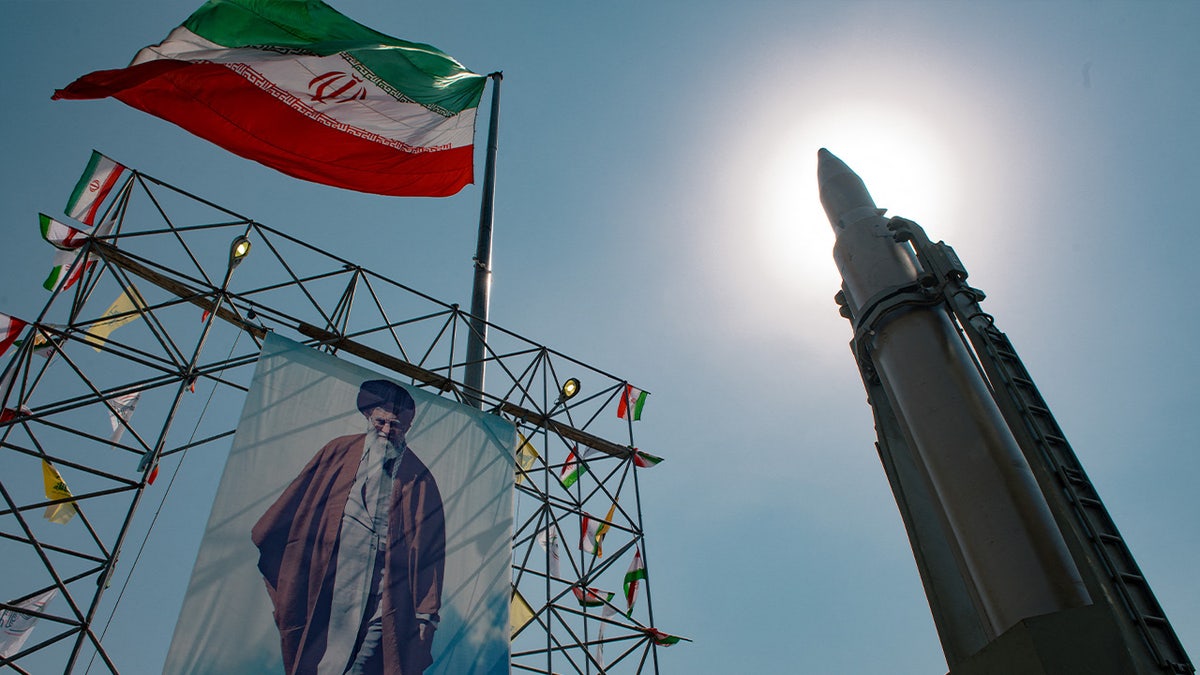
Don’t hold your breath for a grand diplomatic breakthrough between Tehran and Washington. Despite the latest round of olive branches and "peace overtures" coming from the White House, the Iranian leadership isn't buying what President Trump is selling. We've seen this movie before, and for the Iranian diplomatic corps, the ending always looks the same.
The Iranian Ambassador to Pakistan, Reza Amiri Moghaddam, recently laid it out in plain terms during a high-profile session in Islamabad. He didn't mince words. He made it clear that as far as Tehran is concerned, the current American administration isn't a partner for peace; it’s a source of systemic instability. This isn't just a stubborn refusal to talk. It's a calculated stance based on a decade of broken promises and high-stakes pressure tactics.
The Trust Gap That No Handshake Can Bridge
When you look at the history of the JCPOA—the 2015 nuclear deal—you start to understand why the Iranian envoy is so dismissive. Tehran feels it played by the rules. It signed the deal, invited inspectors in, and restricted its nuclear program. Then, the U.S. walked away. From the Iranian perspective, why would you sit down at a table when the person across from you can just flip it over whenever they feel like it?
Trump’s recent signals of a desire for a "new deal" or a "peaceful resolution" sound hollow in the halls of the Iranian Foreign Ministry. They see it as a "maximum pressure" tactic dressed up in diplomatic clothing. You can't squeeze a country with record-breaking sanctions and then expect them to come running the moment you mention a summit. It doesn’t work that way in the Middle East, and it certainly doesn't work that way for a regime that prizes national sovereignty above almost everything else.
Pakistan Caught in the Middle
The fact that these comments were made in Islamabad is no accident. Pakistan finds itself in a precarious spot. It shares a long, often porous border with Iran and maintains a deeply complicated, multi-billion dollar security relationship with the United States. When the Iranian envoy speaks in Pakistan, he's speaking to the entire region.
Ambassador Moghaddam’s message was a reminder to the Pakistani leadership that Iran isn't looking for a mediator. They aren't asking for a middleman to carry a message to Washington. They're telling the world that the ball is entirely in the American court. If the U.S. wants to talk, it needs to stop the economic warfare first. Until that happens, the silence from Tehran will remain deafening.
Why Sanctions Failed to Bring Iran to Its Knees
Washington keeps betting on the idea that if the Iranian economy gets bad enough, the leadership will eventually crack. It’s a gamble that hasn't paid off. Sure, inflation in Iran is staggering. The rial has lost a massive chunk of its value. Life is hard for the average person in Tehran or Mashhad.
But the Iranian state has become an expert at "resistance economics." They’ve built entire parallel financial systems to bypass Western banks. They’ve strengthened ties with China and Russia. By the time Trump signaled he was ready to talk, Iran had already figured out how to survive without him. This creates a massive disconnect. The U.S. thinks it has all the leverage, while Iran thinks it has already outlasted the worst of the storm.
The Shadow of the Past
You also have to consider the personal element. The Iranian leadership hasn't forgotten the assassination of Qasem Soleimani. That single event changed the calculus forever. For many in the Iranian security establishment, negotiating with the man who ordered that strike is a non-starter. It’s a matter of internal politics as much as international diplomacy. No Iranian official wants to be the one who shook hands with the "Great Satan" after such a high-profile killing.
Regional Realities vs Washington Rhetoric
While Washington talks about "peace," the reality on the ground in the Middle East is much more fragmented. Iran is currently busy cementing its influence in Iraq, Syria, and Lebanon. It’s focused on its "Look to the East" policy. From their viewpoint, the U.S. is a declining power in the region, while they are a permanent fixture.
The envoy’s remarks reflect a growing confidence. Iran isn't acting like a country desperate for a deal. It's acting like a regional power that knows its worth. They see the U.S. as inconsistent—switching from Obama’s diplomacy to Trump’s pressure to Biden’s hesitation and back again. For a country that thinks in terms of decades and centuries, this four-year American political cycle looks like amateur hour.
Moving Beyond the Soundbites
If you're waiting for a breakthrough, stop. The rhetoric coming out of Islamabad suggests that we are heading for a long, cold stalemate. The U.S. will likely continue its sanctions regime, and Iran will continue its nuclear enrichment and regional maneuvering.
The next step isn't a peace treaty. It’s likely a series of small, quiet de-escalations that never make the front page. Watch the prisoner swaps. Watch the maritime "understandings" in the Persian Gulf. That's where the real movement happens. But as for formal peace talks? Don't bet on it. The door isn't just locked; the Iranians have essentially welded it shut until they see a fundamental shift in how Washington does business. They want actions, not overtures. They want the sanctions gone before the cameras start flashing. Until that happens, expect more of the same defiant language from every envoy Tehran sends abroad.


/wion/media/post_attachments/files/2021/08/15/206748-india-pak-war.jpg)