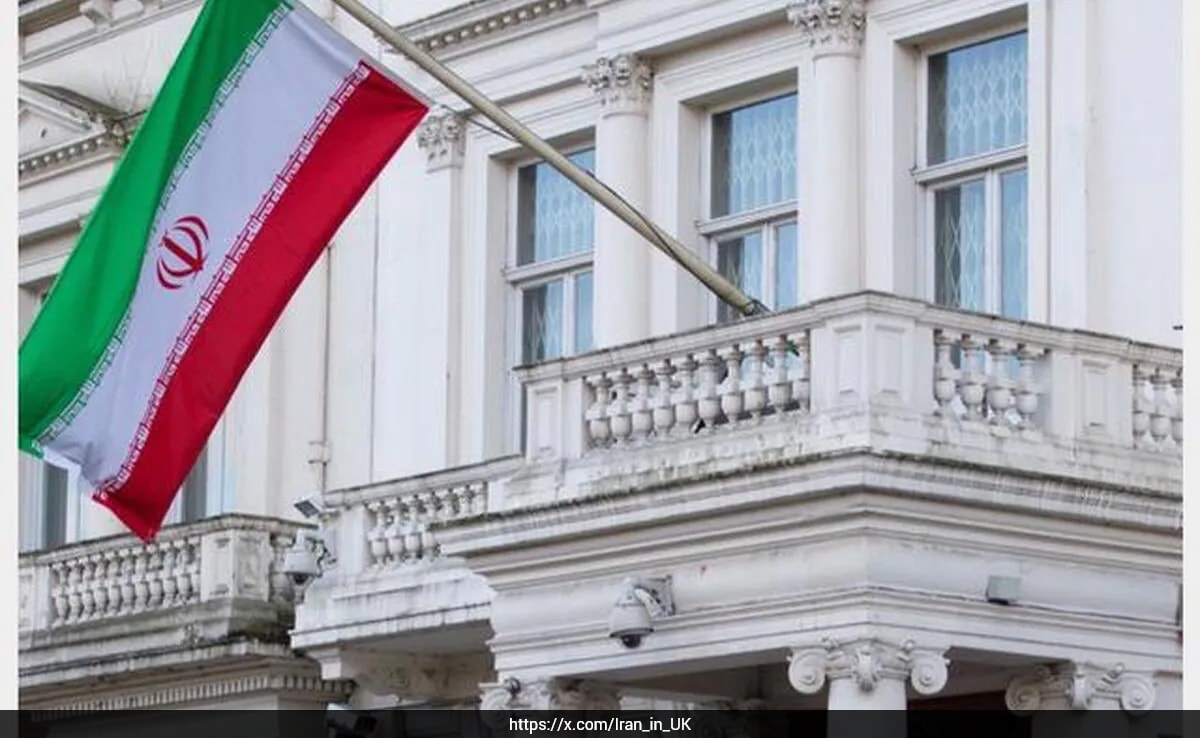
The Iranian embassy in London isn't just processing visas anymore. It's asking for blood. In a move that's sent shockwaves through the Foreign Office, the embassy recently used its official channels to urge Iranians living in the UK to sign up for a "Janfada" or "self-sacrifice" campaign. Essentially, they're recruiting for martyrdom on British soil.
You don’t see this every day. Usually, embassies stick to cultural galas and bureaucratic paperwork. But with the US-Iran conflict reaching a boiling point in early 2026, Tehran’s rhetoric has turned desperate. They’re calling on "brave and noble children" to register their willingness to die for the homeland.
The Foreign Office draws a hard line
Hamish Falconer, the UK Minister for the Middle East, didn't mince words. He summoned the Iranian ambassador on April 28, 2026, to demand an immediate end to these "unacceptable and inflammatory" posts. It's not just a diplomatic spat. It's a direct challenge to UK sovereignty.
When an embassy—a protected diplomatic mission—starts using Telegram to tell residents of London and Manchester to "be ready to give our lives," it crosses from diplomacy into radicalization. The British government’s stance is clear: you can’t use a London zip code to run a recruitment drive for a foreign war.
What is the Janfada campaign
The term "Janfada" literally means "the one who gives their soul." It’s a powerful, religiously charged word in Persian. The campaign started back in February 2026, right as the regional war escalated. It’s not just a social media trend. It’s a massive state-run initiative.
- Registration: People are urged to sign up via the embassy's consular services page.
- Scale: President Masoud Pezeshkian claimed over 14 million Iranians have registered globally.
- The Message: "It is better to be slain than to yield the country to the enemy."
For the Iranian diaspora in the UK, this puts a massive target on their backs. Many came here to escape the very regime that's now texting them to come home and die. It’s a form of transnational repression that we’re only just starting to understand.
Why this is a security nightmare
Security analysts aren't just worried about people hopping on planes to Tehran. They're worried about what happens if these "volunteers" stay in London. Roger Macmillan, a former security director, pointed out that this looks like a way to identify and mobilize a sleeper network.
If you're the UK government, you're looking at this and thinking about the recent surge in attacks on Jewish institutions. You're thinking about the "Harakat Ashab al-Yamin al-Islamiya" group and their ties to the IRGC. By asking people to register for "sacrifice," the embassy is essentially building a database of radicals.
The IRGC terror designation battle
Keir Starmer’s government has been under immense pressure to finally label the Islamic Revolutionary Guard Corps (IRGC) as a terrorist organization. They’ve promised it. They’ve debated it. But they haven't pulled the trigger yet.
This latest stunt by the embassy might be the final straw. You can’t claim the IRGC is just a branch of the military when they’re actively recruiting in South Kensington. The disconnect between "diplomatic mission" and "militant recruiter" has become too wide to ignore.
A state in collapse
The timing isn't accidental. Reports suggest the Iranian regime is feeling the heat. Donald Trump recently claimed Iran is in a "state of collapse" and looking for a way out of the current conflict. When regimes feel like they're dying, they lean harder into the "martyrdom" narrative. It’s a tool for survival.
But for the UK, this isn't just Iran's internal problem. It’s a public safety issue. When a foreign power tells British residents to prepare for violence, the host country has to act. Summoning an ambassador is the "polite" first step. Expulsion is usually the second.
If you’re a member of the Iranian diaspora or just someone concerned about local security, keep a close eye on the Home Office’s next moves. We’re likely to see a crackdown on embassy-linked social media accounts and potentially a fast-track for the IRGC terror designation.
Check your own digital footprint. If you've received these messages or know someone being pressured, the advice from security experts is simple: don't engage. Report suspicious recruitment activity to the Metropolitan Police's anti-terrorism hotline. This isn't just "foreign politics"—it’s happening on your street.