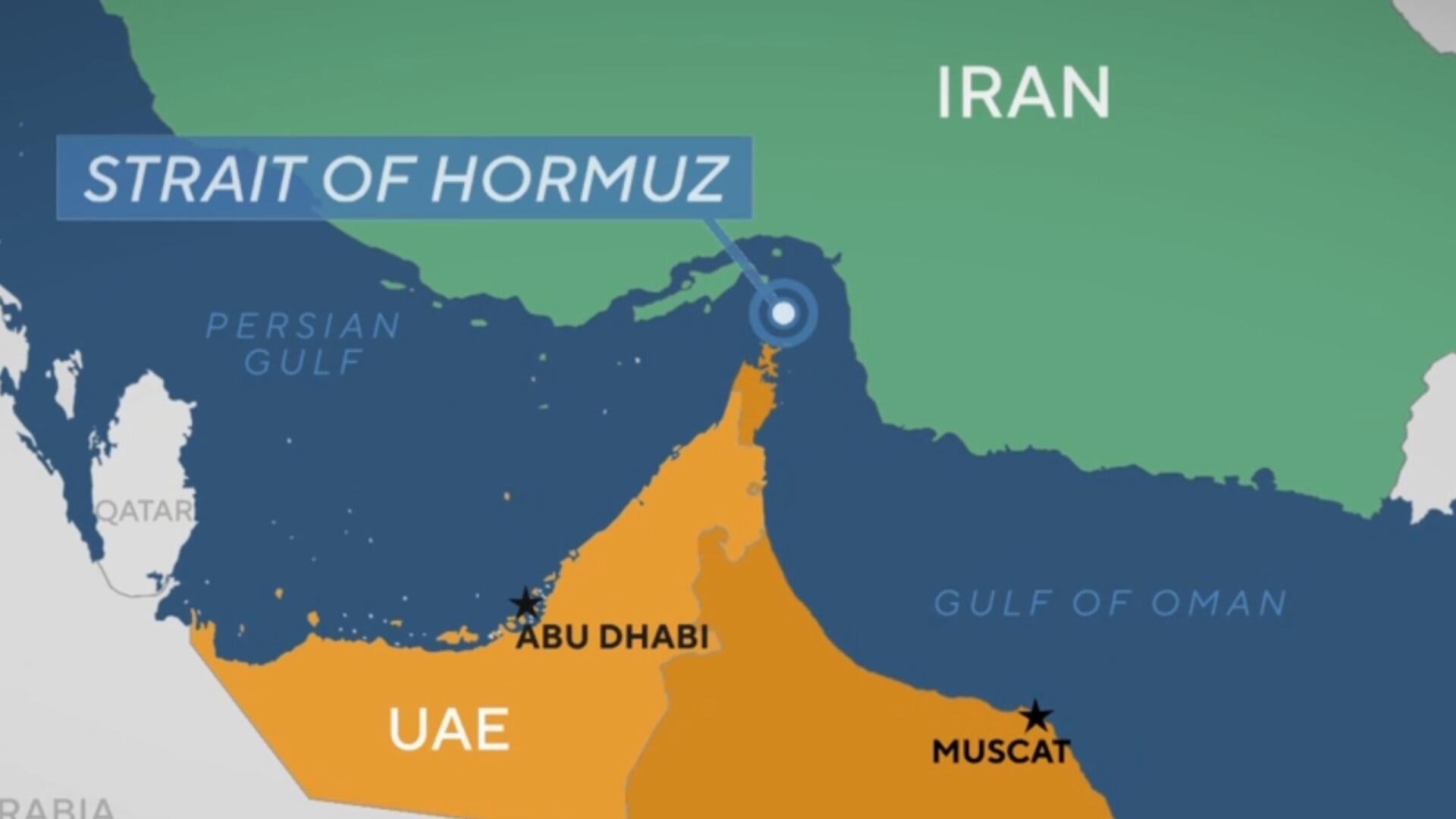
Iran is turning the world's most critical chokepoint into a private corporate toll road. On Saturday, Ebrahim Azizi, the head of the Iranian parliament’s National Security and Foreign Policy Committee, announced that Tehran has finalized a new traffic management system for the Strait of Hormuz. Under the guise of national sovereignty and maritime safety, Iran plans to collect fees for "specialized services" provided along a designated route.
Let's cut through the diplomatic jargon. This isn't about safety. It's a blatant cash grab and a massive geopolitical lever designed to squeeze the global economy.
If you think this only impacts multi-billion-dollar shipping conglomerates, you're mistaken. One-fifth of the world’s petroleum passes through this narrow strip of water between Oman and Iran. By forcing commercial ships to pay millions just to transit, Iran is introducing an unpredictable tax on global trade that will inevitably trickle down to the prices you pay at the gas pump and the grocery store.
Inside the Iranian Toll Booth
The announcement from the Iranian parliament follows months of direct military friction. After a cycle of US-led strikes and Iranian counter-attacks earlier this year, a fragile mediated ceasefire paused open combat. However, the peace talks collapsed, and the US military attempted to enforce its own naval blockade to choke off Iranian exports.
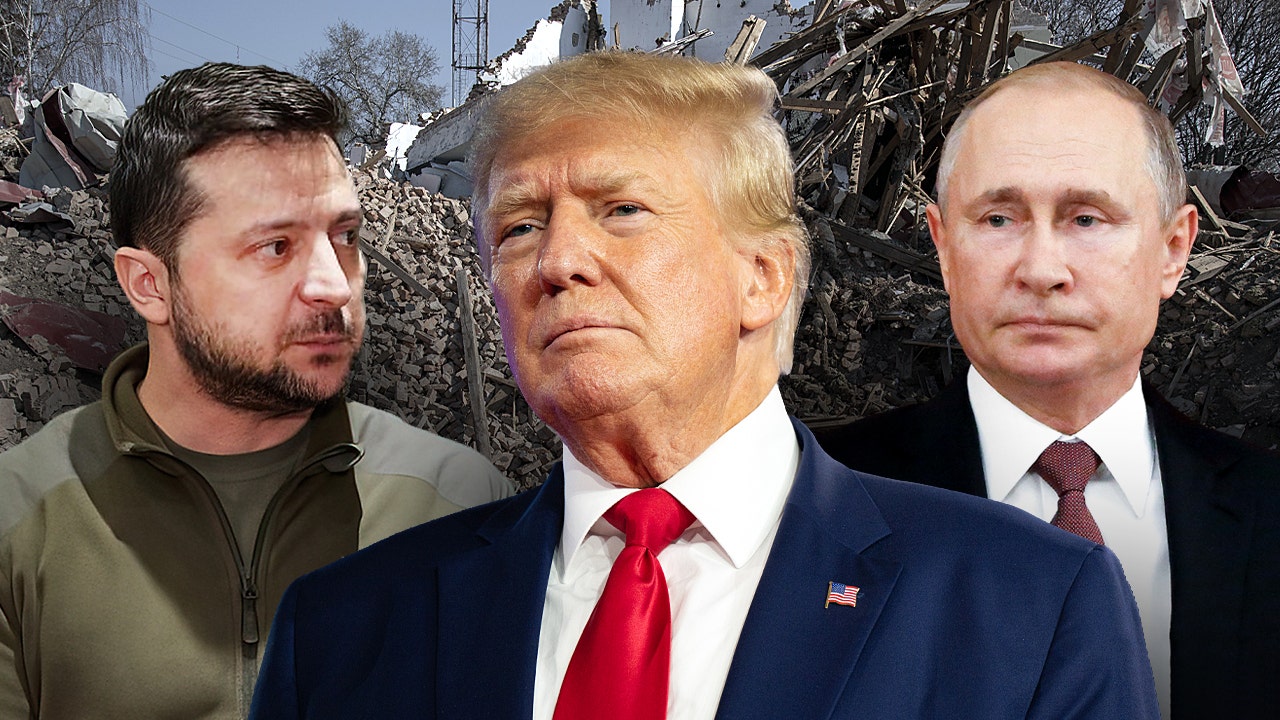
In response, President Donald Trump pitched "Project Freedom," a plan to use US naval assets to aggressively escort commercial vessels through the strait. It didn't take long for the White House to pause that initiative when the sheer operational risks became clear. Iran saw its opening. Rather than trying to permanently block the strait, which would trigger an overwhelming global military response, Tehran decided to monetize it.
The Persian Gulf Strait Authority (PGSA), a newly minted Iranian agency, is already running a de facto toll booth. Under this framework, ship operators must submit a grueling "Vessel Information Declaration" containing over 40 distinct questions. Iran demands detailed logs regarding:
- The exact nationalities of the crew and registered owners.
- Comprehensive cargo declarations, with current priorities heavily favoring raw oil over other commodities.
- Ironclad insurance details and former vessel names to spot corporate shell companies.
Once the paperwork passes what insiders call a "geopolitical vetting" process by the Islamic Revolutionary Guard Corps (IRGC) Navy’s Hormozgan Provincial Command, the ship receives a clearance code and route instructions. If you cooperate, you get a designated corridor and an IRGC escort. If you don't, you're locked out.
The Million Dollar Crossing
Vague warnings from a foreign government are one thing, but the financial reality is already playing out on the water. While Iran hasn't published an official public tariff schedule, shipping industry data leaks reveal that the price of passage is staggering.
According to tracking by maritime journal Lloyd’s List, multiple ship operators have quietly fork-lifted millions of dollars to secure transit approval. At least one commercial vessel paid roughly $2 million in yuan to clear the strait. The use of Chinese currency isn't accidental; it circumvents Western banking channels entirely, allowing both the shipper and the IRGC to keep the transaction out of the crosshairs of the US Treasury Department.
The rules of who pays and who sails are completely arbitrary. Iran openly stated that the new shipping corridor is closed to anyone affiliated with the US "freedom project." Vessels explicitly linked to the US or Israel face a total ban. Meanwhile, nations deemed "non-hostile" must rely on intense backchannel diplomacy.
For instance, the Indian and Pakistani governments have spent weeks in direct talks with Iranian Foreign Minister Abbas Araghchi. New Delhi has maintained that no direct "protection money" has been paid for Indian-flagged vessels, proving that right now, geopolitical compliance and diplomatic brown-nosed negotiations are just as valuable to Tehran as hard currency.
Squeezing the Digital Superhighway
If a multi-million-dollar oil tax wasn't enough, Tehran is already expanding the toll model beyond physical ships. State-linked media arms like the Tasnim and Fars news agencies are actively floating a three-step strategy to tax the massive network of undersea fiber-optic internet cables running through the bedrock of the Strait of Hormuz.
Iranian lawmakers are calling the strait a "hidden highway" that facilitates more than $10 trillion in global financial transactions every single day. The IRGC's blueprint for digital dominance is aggressive:
- Impose initial setup fees and annual "transit taxes" on foreign tech giants whose data crosses Iranian territorial waters.
- Force conglomerates like Meta, Amazon, and Microsoft to legally register and operate under Iranian jurisdiction if their data packets pass through the region.
- Hand complete, exclusive control of cable repair and maintenance within the strait to domestic Iranian firms.
This is a direct threat to global internet infrastructure. If tech giants refuse to pay, the physical cables risk being targeted or disrupted under the guise of maritime security. If they do pay, the financial burden shifts directly to you. Your cloud storage subscriptions, streaming services, and digital tools will get more expensive. Furthermore, if companies try to route data away from the Persian Gulf to avoid the legal headache, data latency will spike, causing noticeable lag for international enterprise networks and consumers alike.
The Sanctions Trap for Global Shipping
For maritime lawyers and corporate boards, this setup is an absolute nightmare. The IRGC is a US-designated Foreign Terrorist Organization. Paying a toll to an agency managed by a terrorist group is a direct violation of international sanctions.
Even if a company claims the fee is a necessary cost of ordinary transit under general maritime licenses, compliance departments are freezing up. The risk of getting hit with secondary sanctions from the US Office of Foreign Assets Control (OFAC) is incredibly high. If a Western bank processes a transaction that even indirectly funds the IRGC's toll booth, that bank faces billions in fines and a total disconnection from the US financial system.
Can international law stop this? On paper, the United Nations Convention on the Law of the Sea (UNCLOS) guarantees the right of "transit passage" through international straits, meaning coastal states cannot hamper or suspend navigation. But here is the catch: Iran signed the treaty but never ratified it. More importantly, international bodies like the International Tribunal for the Law of the Sea can issue all the declarations they want, but they don't have a navy to enforce them.
Your Strategic Next Steps
If you are managing logistics, supply chains, or corporate compliance that relies on Middle Eastern energy or infrastructure, waiting for a diplomatic resolution is a losing strategy. You need to adjust your operational playbook immediately.
- Diversify Maritime Routes: Start shifting high-value cargo away from the Persian Gulf where feasible. Map out alternative routes like the Red Sea or land-based rail corridors across Central Asia, even if they add days to your transit timeline.
- Audit Digital Vendor Dependencies: If your business operations utilize data centers or cloud routing heavily reliant on East-West fiber networks crossing the Arabian Sea, consult with your tech vendors. Demand transparency on their data rerouting plans to mitigate latency risks if the IRGC begins enforcing digital cable tolls.
- Freeze Direct Payments: Instruct legal and finance teams to block any transit or handling fees routed through Middle Eastern maritime intermediaries until OFAC provides explicit, written guidance on whether these "specialized service fees" trigger terrorist financing penalties.
The era of free, unhindered navigation through the world's premier energy chokepoint is dead. Tehran has realized that controlling the flow of oil and data is lucrative, and they aren't going to give up that wallet easily.
For a deeper dive into the geopolitical standoff and the breakdown of the maritime escort initiatives in the Persian Gulf, you can check out this detailed analysis of the naval blockades and strategic shipping conflicts. This broadcast breaks down how regional tensions evolved from military skirmishes into the complex economic warfare and toll systems we see today.