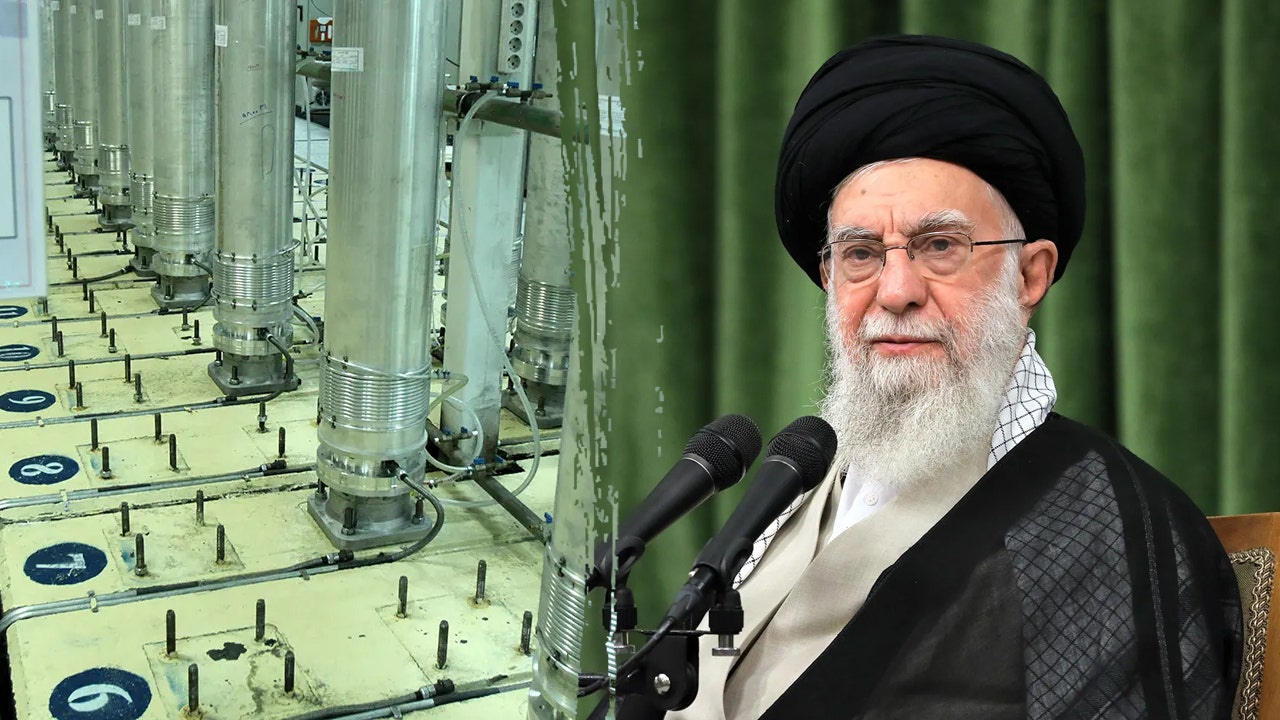
Don't believe the headlines suggesting we're on the brink of a handshake. While backchannel diplomats in Oman and Pakistan scramble to save a fragile ceasefire, the public rhetoric coming out of Tehran has hit a fever pitch. On Friday, Seyed Mehdi Tabatabaei, a top official in the Iranian president’s office, didn't just criticize the United States—he went for the jugular.
His choice of words wasn't accidental. He told U.S. officials to "climb out of the pit that the child-killer has dug for them." That "child-killer" label is aimed directly at President Donald Trump, specifically referencing a horrific missile strike on a school in Minab that reportedly killed 165 girls. When a government starts using that kind of language, they aren't looking for a quick exit strategy. They're digging in for a long, expensive fight.
The Massive Bill for Peace
Tehran isn't just asking for an apology. They want cash. Specifically, they're floating a demand for roughly $270 billion in war reparations. It's a staggering number that covers decades of what they call "lost investment" due to sanctions, plus the immediate damage from recent U.S. and Israeli strikes on their infrastructure.
From Iran’s perspective, the U.S. is the aggressor that needs to pay up before any talk of a permanent deal begins. From Washington’s view, this is a non-starter. The Trump administration has made it clear: they want a "zero enrichment" nuclear policy and the dismantling of Iran’s missile program. Iran’s counter? We’ll talk about the nukes only after you pay for the damage you’ve caused and recognize our "international rights" over the Strait of Hormuz.
Why the Rhetoric is Getting Meaner
If you're wondering why Tabatabaei is using such aggressive language right now, look at the calendar. Both sides are playing to their home crowds.
- The Election Factor: Tabatabaei accused the U.S. of engaging in "low-value psychological games" and "electoral rhetoric." He’s basically saying Trump is using the conflict to look tough for voters.
- Internal Pressure: Inside Iran, people are hurting. Inflation is skyrocketing, and food shortages are real. Hardliners need to sound defiant to keep the public from focusing on the fact that the economy is in tatters.
- The Minab Tragedy: The school bombing in Minab has become a rallying cry. It’s hard to sell a "peace deal" to a grieving population without first demanding justice—or at least a very large check.
The Pay to Pass Threat in the Strait of Hormuz
The most dangerous part of this escalation isn't the name-calling; it's the threat to global trade. Iran has hinted at a "pay-to-pass" system for the Strait of Hormuz. Imagine a world where every oil tanker has to pay a "transit fee" to Tehran just to get through the world's most critical chokepoint.
This isn't just a local issue. If the Strait gets even more restricted, your gas prices at home will reflect it within days. The U.S. has already erected missile launchers in Qatar and moved aircraft carriers into the Gulf to prevent this, but the more Tehran feels backed into a corner, the more likely they are to pull the trigger on a maritime blockade.
The Breakdown of the 15 Point Plan
The U.S. sent a 15-point proposal through Pakistani mediators in March. It was supposed to be a roadmap to sanity. It included:
- Sanctions relief in exchange for stopping nuclear enrichment.
- Guarantees for shipping through the Strait.
- Limits on Iranian missile production.
Iran’s response was a 10-point counter-proposal that basically flipped the script. They demanded the U.S. withdraw all forces from the region and pay those hundreds of billions in reparations. When two sides are this far apart on the basic "price" of peace, the ceasefire is really just a chance for both to reload.
What Happens if the Slap Lands
Tabatabaei warned that if anyone speaks to Iran in the "language of force," they'll receive a "harsh slap." We've seen what those slaps look like: drone swarms, ballistic missile strikes on regional bases, and the harrassment of commercial shipping.
The U.S. hasn't backed down either. Vice President JD Vance and Steve Witkoff have been leading the charge in Islamabad, but the trust just isn't there. Trump has already threatened to "obliterate" Iran’s electric plants and oil wells if a deal isn't reached soon. It’s a game of chicken where the "pit" Tabatabaei mentioned is getting deeper for everyone involved.
Steps for the Immediate Future
Don't expect a grand peace treaty by next week. The gap between "zero enrichment" and "$270 billion in reparations" is a canyon.
Keep an eye on the Strait of Hormuz. If Iran starts formalizing those "transit fees," the U.S. naval blockade will likely intensify, and the ceasefire will vanish. If you're invested in energy markets or just worried about global stability, watch the rhetoric from Tehran's deputy for communications. When the "child-killer" comments stop and the talk shifts back to technical nuclear limits, that's when you'll know a real deal is actually on the table. Until then, it's just a loud, dangerous standoff.
How the 2026 Iran-US Conflict Reached This Point
This video provides a deep dive into the specific economic demands and the $270 billion reparation figure that is currently stalling negotiations.