Donald Trump wants Japan’s navy in the Middle East, but Tokyo isn't budging yet. Despite the Strait of Hormuz being effectively choked off by Iran, Japanese Defense Minister Shinjiro Koizumi made it clear on Monday that the country has no immediate plans to dispatch the Maritime Self-Defense Force (MSDF) for security operations.
It’s a high-stakes game of chicken. On one side, you’ve got a U.S. President demanding that allies "protect their own territory" and energy interests. On the other, you’ve got Prime Minister Sanae Takaichi’s administration trying to navigate a legal minefield without blowing up Japan’s long-standing diplomatic ties with Tehran. If you think this is just about shipping lanes, you’re missing the bigger picture of Japan’s survival strategy in 2026.
The Trump pressure cooker
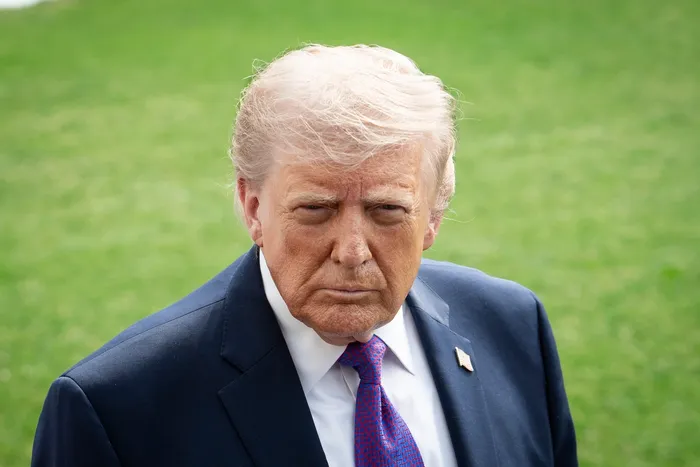
Trump didn't mingle words over the weekend. He took to social media to call out Japan, South Korea, China, and France, essentially telling them to start ponying up if they want their oil to keep flowing. The U.S. has already moved the USS Tripoli and 2,500 Marines from their bases in Sasebo and Okinawa toward the Middle East. It’s a massive shift of assets away from the Indo-Pacific, leaving a vacuum that Japan is now expected to help fill—or at least pay for in blood and steel.
Koizumi’s response was a masterclass in diplomatic stalling. He told parliament that maintaining peace is "critically important," but then pivoted immediately to "diplomatic efforts." Basically, he’s saying Japan will talk a big game about stability while keeping its destroyers safely in port. This isn't just laziness or cowardice. It’s a calculated move based on the fact that Japan still gets 95% of its oil from the Middle East. You don't start shooting at the guy holding the faucet unless you have a backup plan.
Why the legal bar is so high
Most people don't realize how handcuffed the Japanese military actually is. Even with recent reinterpretations of the constitution, sending warships into an active combat zone—which the Strait of Hormuz currently is—remains a legal nightmare. For Tokyo to pull the trigger on a "maritime security operation," they have to prove that Japan’s very "survival" is at risk.
- The 250-Day Buffer: Chief Cabinet Secretary Minoru Kihara pointed out that Japan has about 250 days of crude oil reserves. Because of that stockpile, the government can’t legally argue that a blockade today creates an "existential crisis" tomorrow.
- The Passive Policy: Japan has spent decades building a unique relationship with Iran. Unlike the U.S., Japan has maintained open channels of dialogue. Joining a U.S.-led military coalition would vaporize that "honest broker" status instantly.
- The Constitution: Article 9 still looms large. While the Takaichi government wants a "Japan capable of war," the public remains deeply skeptical of any overseas deployment that smells like a combat mission.
The minesweeper wild card
There is one thing Japan does better than almost anyone else: clearing mines. The MSDF has over 25 state-of-the-art minesweepers and specialized helicopters. In the 1990s, Japan sent minesweepers to the Persian Gulf after the fighting stopped. Trump knows this. The U.S. military knows this.
If the situation in the Strait of Hormuz shifts from "active war" to "clogged waterway," the pressure on Takaichi to send her mine-clearing experts will become unbearable. But right now, the conflict is white-hot. Sixteen vessels have been hit since the start of March. A Thai bulk carrier was just seen smoking near the strait after a fresh attack. In this environment, a minesweeper is just a slow-moving target.
What happens at the White House summit
Prime Minister Takaichi is heading to Washington on March 19. That’s the real D-Day for this policy. She’s already told the Diet that she hasn't received a "formal request" yet, which is a classic way of saying she’s waiting for Trump to corner her in person.
The strategy for the summit is likely a "Middle Way." Expect Japan to offer more money, more logistics support in non-combat areas, or perhaps an increase in surveillance flights. But sending warships to escort tankers through a literal gauntlet of Iranian drones and missiles? That’s a bridge too far for the current cabinet. They’d rather pay higher insurance premiums and wait out the 250-day oil clock than risk a constitutional crisis or a direct hit on an MSDF vessel.
Immediate shifts for the shipping industry
If you're looking for what to do now, the reality is that the Strait of Hormuz is functionally closed to anything without a massive military escort.
- Expect Port Congestion: Cargo is already being offloaded in Singapore, Colombo, and Mundra as ships refuse to enter the Gulf.
- Watch the Landbridges: Companies are rapidly pivoting to landbridge corridors across Saudi Arabia and Oman to bypass the water. If you’re moving goods, look into the Saudi-UAE land routes now.
- Fuel Surcharges: With oil prices spiking and transit times around the Cape of Good Hope hitting 49 days, your shipping costs aren't coming down anytime soon.
Japan is betting on a diplomatic miracle, but with Trump in the White House and Iran's leadership vowing to keep the strait shut, that miracle looks further away than ever. Takaichi might try to hold the line in Washington, but don't be surprised if "intelligence gathering" missions suddenly expand in scope by the end of the month.