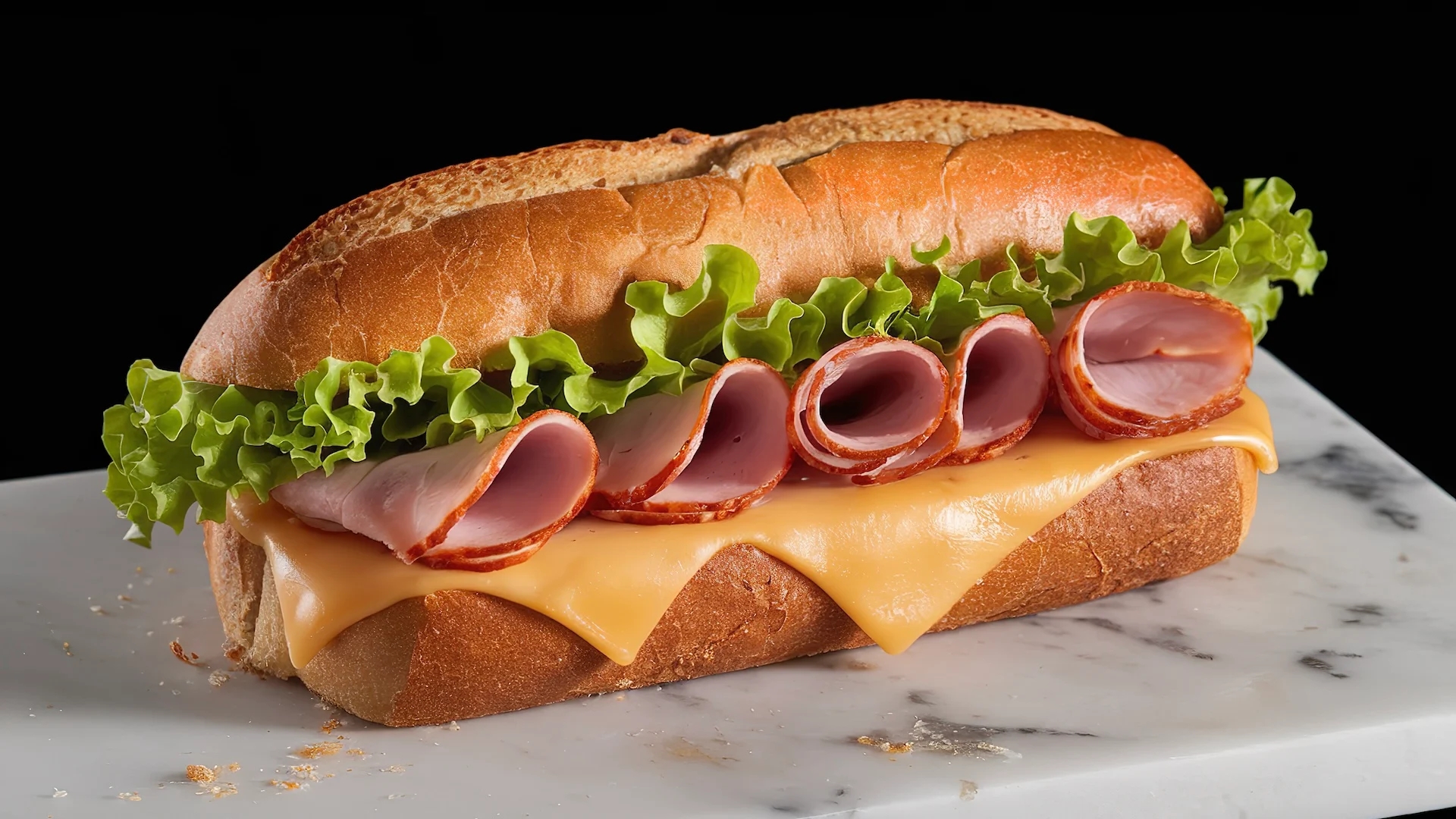
Wall Street is salivating over the news that Jersey Mike’s has filed for a confidential IPO. The narrative is already being scripted: a beloved sub shop with "Sub Above" branding, a massive footprint, and a clean balance sheet is ready to dominate the public markets. The pundits will talk about unit economics and "white space" for growth.
They are wrong.
This isn’t a victory lap. This is an exit strategy. When a private equity-backed or founder-led giant rushes for the public markets in a high-interest-rate environment, they aren't looking for capital to build; they are looking for someone to hold the bag. Jersey Mike's is hitting the ceiling of the fast-casual sandwich sector, and the IPO is the only way to squeeze the remaining value out of a model that is rapidly losing its edge to leaner, tech-forward competitors.
The Illusion of Infinite White Space
The most tired trope in restaurant IPOs is the "unit growth potential" argument. Analysts will point to a map of the United States, circle the empty spots, and claim there is room for another 3,000 locations.
I have watched dozens of brands play this game. They overlook the "cannibalization threshold."
Jersey Mike’s operates on a franchise model that requires high-traffic, premium real estate to support its labor-heavy operation. Unlike automated kiosks or assembly-line setups, Jersey Mike’s prides itself on slicing meat in front of the customer. It’s a great piece of theater, but it’s a scaling nightmare.
As you saturate a market, you aren't just taking market share from Subway or Jimmy John’s; you are stealing it from your own franchisees. The labor cost of "fresh slicing" becomes a massive liability when every strip mall in America has a Jersey Mike's. We are nearing the point where the cost of opening a new location outweighs the incremental brand value. The IPO is a signal that the easy money in domestic expansion has already been made.
The Labor Trap Nobody Mentions
Everyone loves the "Sub Above" experience until they have to pay for it.
Jersey Mike’s relies on a specific type of high-touch service. You have the slicer, the dresser, and the cashier. This isn't a three-person job; it’s a choreography that requires skilled, fast-moving labor. In an era where the $20 minimum wage is becoming a baseline in major markets, the Jersey Mike’s model is under existential threat.
Digital-native brands like Sweetgreen or even the revamped Chipotle are moving toward automation and "make-line" efficiencies that reduce human touchpoints. Jersey Mike’s is trapped by its own brand promise. If they automate the slicing, they lose their identity. If they don't, their margins get crushed by rising wages.
Public investors are about to buy into a company that is fundamentally "long" on human labor in an economy that is aggressively "shorting" it.
The Confidential Filing Smoke Screen
Why file confidentially? The standard line is "to avoid market volatility" or "protect sensitive data."
The truth is usually more cynical. It allows the company to test the waters and negotiate with big institutional buyers without the public seeing the cracks in the foundation. It’s a way to hide declining same-store sales or rising debt loads until the very last second.
If Jersey Mike’s was the juggernaut the headlines claim, they would be shouting their numbers from the rooftops. They would want the hype to build for six months. A confidential filing suggests there are nuances in the books—perhaps slowing growth in mature markets or high franchisee churn—that they want to "frame" for big banks before the retail investors get a look.
Quality is a Declining Asset
In the sandwich business, there is a phenomenon I call "The Quality Gravity."
When you have 100 stores, you can source elite turkey and roast beef. When you have 2,800 stores and a mandate from public shareholders to increase quarterly earnings, you start looking for "efficiencies." You move from local sourcing to national contracts. You tweak the recipe of the bread to extend shelf life. You find a supplier who can provide "similar" meat for $0.15 less per pound.
The very thing that made Jersey Mike’s a premium alternative to Subway is the first thing that will be sacrificed at the altar of the quarterly earnings call. Public ownership is the death of the "Sub Above."
The False Comparison to Wingstop and Chipotle
Bullish investors will try to compare this IPO to the success of Wingstop or Chipotle. This is a fundamental misunderstanding of the product category.
Wings and burritos have high "craveability" and lower competition from the "home kitchen." A sandwich is the easiest thing in the world to replicate at home. Jersey Mike’s is competing against every refrigerator in America.
Furthermore, the sandwich space is the most crowded sector in fast-casual. You have the "Value" tier (Subway), the "Speed" tier (Jimmy John’s), the "Toasted" tier (Potbelly, Firehouse), and the "Premium" tier (local delis). Jersey Mike's is trying to sit in a middle ground that is increasingly being squeezed.
If you want to understand the risk, look at the history of Quiznos. They had the "premium" hook. They had the rapid expansion. They had the hype. Then they had the debt and the franchisee revolts.
The Franchisee Breaking Point
The health of a franchise-led IPO isn't found in the corporate headquarters; it’s found in the profit-and-loss statements of the individual store owners.
As corporate pushes for an IPO, they need to show revenue growth. The easiest way to do that? Force franchisees to open more stores and spend more on national marketing.
I’ve seen this play out with dozens of brands. The corporate entity thrives while the franchisees starve on thinning margins. If Jersey Mike’s goes public, the pressure to maintain a "growth" narrative will lead to predatory franchising practices. They will sell territories that shouldn't be sold. They will push digital promotions that gut the franchisee’s bottom line to drive "system-wide sales" numbers that look good on a spreadsheet.
The Reality of the "Exit"
Founder Peter Cancro has done an incredible job building this brand. He bought the original shop with a loan at age 17. It’s a legendary American story.
But don’t confuse a great story with a great stock.
A founder-led IPO after decades of private ownership is the ultimate "cash out." Cancro and his early backers are looking for liquidity. They see the writing on the wall: the peak of the fast-casual sandwich era has passed. Consumer spending is tightening. The cost of goods is volatile.
They are selling you the past performance of a private company and asking you to bet that it can maintain that same soul under the crushing weight of Wall Street’s "growth at any cost" mandate.
Stop looking at the red-and-white logos and start looking at the macro-economic trap. Jersey Mike’s isn’t going public to invite you to the party; they’re going public because the party is over, and they need someone to pay for the catering.
Buy the sandwich. Avoid the stock.