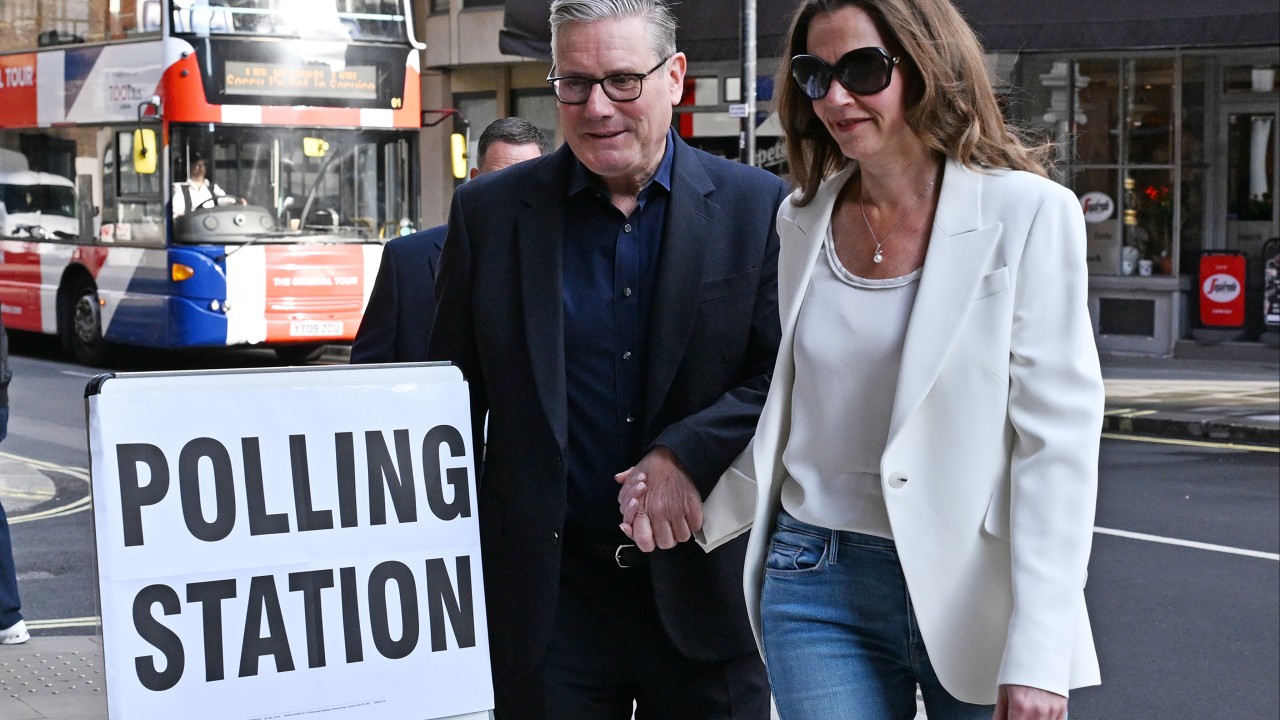
Keir Starmer isn't flinching. After a bruising set of local election results that saw Labour lose significant ground in traditional heartlands, the party leader is digging his heels in. Most political analysts expected a victory lap, but the reality on the ground told a much different story. While the media focuses on the surface-level seat counts, the real drama lies in the growing rift between the party leadership and its core base. You can't just ignore a drubbing and call it progress.
Labour lost control of several key councils. They saw a massive swing toward Greens and independents in areas they used to own. Starmer’s response? He's sticking to the plan. He thinks the path to Downing Street goes through the center ground, even if it means bleeding support on the left. It's a high-stakes gamble that assumes those lost voters have nowhere else to go when a general election rolls around.
The numbers don't lie about the Labour local election slump
Look at the data from the recent polls. We aren't talking about a minor hiccup here. In places like Oldham and Kirklees, the party faced a revolt. Voters who previously backed Labour stayed home or actively sought out alternatives. The biggest hit came from the party’s stance on international affairs, particularly the conflict in Gaza. It became a proxy for every grievance a disillusioned voter had against the current leadership.
Independent candidates didn't just participate; they won. They won big in wards that were supposed to be safe. When you lose a seat that has been "red" for forty years to a local campaigner with a megaphone and a grassroots following, you've got a problem. Starmer claims this is all part of the "change" he promised. But for many, it looks like he's trading the party's soul for a shot at the keys to Number 10.
Why Starmer believes he can ignore the critics
The logic inside the Leader of the Opposition’s office is simple. They believe the only metric that matters is the general election. Local elections are often messy. They're influenced by bin collections, potholes, and hyper-local drama. Starmer’s team argues that the swing toward the center in suburban swing seats is worth the losses in the inner cities.
It's a cold, hard calculation. If you win back the "Red Wall" voters who flipped to the Tories in 2019, you win the country. If you lose a few thousand votes in deep-blue or deep-red urban strongholds, it doesn't change the parliamentary map. It’s brutal. It’s calculated. Honestly, it’s exactly how Tony Blair operated in the nineties.
But 2026 isn't 1997. The electorate is far more fragmented now. People are willing to jump ship to the Reform party or the Greens at the drop of a hat. The idea of "loyalty" to a political brand is basically dead. If Starmer thinks these voters will just "come home" during a national campaign, he might be in for a nasty surprise.
The growing threat from the Green Party and Independents
The Greens aren't just for environmentalists anymore. They've become the protest vote of choice for anyone who thinks Starmer is "Tory-lite." During these local elections, the Green Party didn't just pick up a few seats; they established themselves as a legitimate third force in local government.
- They targeted younger voters who feel abandoned by Labour’s shift on tuition fees and climate targets.
- They capitalized on the vacuum left by a weakened Liberal Democrat presence in certain regions.
- They offered a clear ideological alternative to Starmer’s pragmatism.
Independents also proved that local identity often trumps national party branding. In several northern councils, independent blocs now hold the balance of power. They aren't interested in Westminster talking points. They want to know why their high streets are dying. Starmer’s "defiant" stance doesn't resonate with someone who can't see the difference between his policies and the ones the Conservatives have been running for over a decade.
Breaking down the swing seats that actually matter
If you want to understand the strategy, you have to look at the "Bellwether" towns. Labour did perform well in places like Crawley and Stevenage. These are the areas that decide who becomes Prime Minister. The party improved its margins here, showing that the "Middle England" strategy is working on some level.
The problem is the internal optics. A political party is a broad church, or at least it’s supposed to be. When the leadership seems to actively enjoy antagonizing its own activists, morale plummets. Door-knocking wins elections. If the people who usually do that work are sitting on their hands because they're angry about the party's direction, the "math" of the swing seats starts to fall apart. You need boots on the ground.
Starmer’s refusal to pivot on Gaza and the economy
The "drubbing" in Muslim-majority wards was particularly sharp. It’s a direct result of Starmer’s perceived hesitation in calling for a ceasefire earlier in the conflict. While he has since adjusted his language, the damage is done. Many voters feel he only did it because the polling forced his hand, not because of a moral conviction.
On the economy, the message is "fiscal responsibility." It’s a boring phrase that translates to "we aren't going to spend much more than the Tories." For a country struggling with a cost-of-living crisis and crumbling public services, that’s a tough sell. Starmer is terrified of being labeled a "tax and spend" politician. He’s so focused on not losing the election that he might be forgetting how to win it with a mandate for actual change.
The internal Labour revolt is just getting started
Don't think for a second that the parliamentary party is united. Behind the scenes, backbenchers are worried. They see the local results and see their own majorities shrinking. There’s a quiet murmur of discontent that could turn into a roar if the national polling starts to tighten.
The left wing of the party is already sharpening its knives. They argue that these local results prove that "Starmerism" has a ceiling. They want a return to more radical policies—wealth taxes, nationalization of utilities, and a more aggressive stance on workers' rights. Starmer is ignoring them for now, but he can't ignore them forever.
Moving forward in a fractured political world
The local elections were a warning shot. You can't just manage your way to a landslide victory. You need a vision that people actually care about. Starmer’s defiance might look like strength to some, but to others, it looks like arrogance.
If you're watching the UK political scene, pay attention to the turnout figures in the next few months. That's the real story. If people continue to stay home, the legitimacy of the next government will be shaky from day one.
Stop looking at the national polling averages for a minute. Start looking at the council by-elections and the local council meetings. That’s where the real shift is happening. If Labour wants to truly "dig in," they need to start listening to the people they've spent the last three years taking for granted. The path to victory isn't just about winning over Tory voters in the suburbs; it's about making sure your own people don't decide that staying home is a better option than voting for you.
Check the local council compositions in your area. See how many seats changed hands. If your local ward flipped to an independent or a Green, find out why. The reasons usually have nothing to do with what Keir Starmer says at a press conference in London. That’s the disconnect that could cost Labour everything.