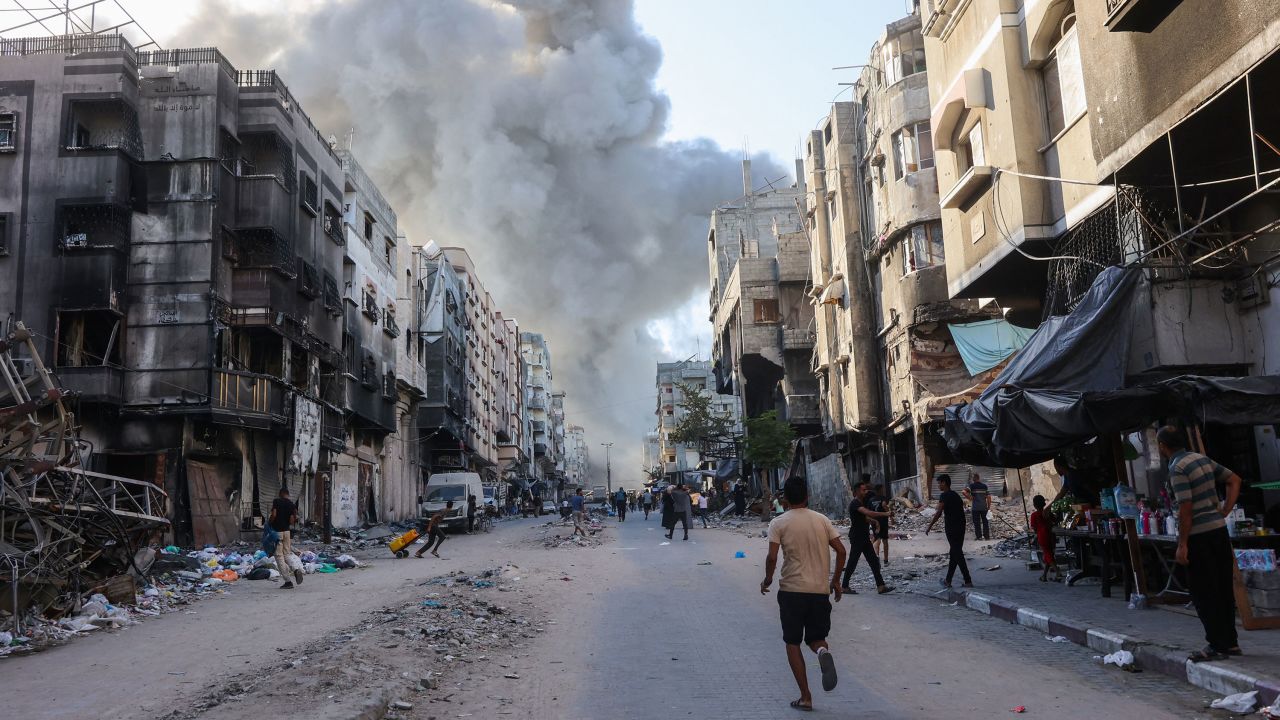
Families are sleeping on the sidewalk in downtown Beirut because there's nowhere else to go. This isn't a metaphor. It's the literal, gritty reality for over a million people. Lebanon is a small country, roughly the size of Connecticut, and it's currently absorbing a displacement crisis that would break even the wealthiest nations. You can't walk through a public park or a school hallway without seeing mattresses stacked to the ceiling or children huddled under thin blankets.
The situation for displaced people in Lebanon is dire, but even that word feels too sterile. It’s a total collapse of human dignity. When we talk about displacement, we often think of tidy tents in a row. This isn't that. This is chaos. People are fleeing the south with nothing but the clothes on their backs, driving through bombardment only to find that the "safe" zones are already overflowing.
The sheer scale of the mess
Let’s look at the math. Lebanon's population is around five or six million. Now, imagine over 20% of those people suddenly becoming homeless within a few weeks. The government, which was already bankrupt and barely functioning before this escalation, can’t provide the basics. Public schools have been turned into shelters, but they weren't built to house thousands of people for months on end.
I’ve talked to journalists on the ground who describe the stench of overcrowding and the lack of clean water. It’s a recipe for a public health disaster. You’ve got elderly people who left their heart medication behind in the rush to escape. You’ve got infants who haven't had a proper meal in days. The Lebanese Red Cross and local NGOs are doing what they can, but they’re screaming into a void.
Why the infrastructure can't hold
The power grid in Lebanon is a joke. Most people rely on expensive private generators, but fuel is scarce and prices are astronomical. When the lights go out in a shelter housing 500 people, panic sets in.
- Water scarcity: Many shelters don't have functioning showers.
- Food insecurity: Prices for basic staples like bread and milk have spiked because supply chains are broken.
- Medical collapse: Hospitals are prioritizing war injuries, meaning chronic illnesses are being ignored.
It’s not just about the bombs. It’s about the slow decay of everything that makes life livable. If you're a displaced person in Lebanon right now, your biggest enemy isn't just the strike from above; it's the infection you can't treat or the hunger you can't satisfy. Honestly, it’s a miracle the social fabric hasn't torn completely yet.
The psychological toll no one is talking about
We focus on the physical needs because they're easy to see. But the mental trauma is a different beast. Kids in these shelters are jumping at the sound of a slamming door. Their parents are paralyzed by the realization that their homes—everything they worked for—might already be rubble.
There’s a specific kind of dignity that gets lost when you’re forced to live your entire life in public. Sleeping, eating, and crying in a room with thirty strangers isn't something people just "get used to." It breaks you down. Journalists reporting from the field say the desperation is turning into a quiet, heavy resentment. They feel abandoned. They’re right.
Host communities are at their breaking point
Lebanon was already hosting 1.5 million Syrian refugees. Now, you’ve got internal displacement on top of that. The pressure on local communities is immense. In places like Tripoli or the mountain villages, residents are trying to help, but they’re broke too.
You see people sharing their last bag of rice. It’s beautiful, sure, but it’s also unsustainable. Eventually, the generosity runs out because the stomach is empty. Tensions are simmering between different groups as they compete for the few resources available. If the international community thinks they can just send a few cargo planes of blankets and call it a day, they're delusional.
What actually needs to happen
The aid being sent right now is a band-aid on a gunshot wound. We need a massive, coordinated influx of cash and fuel. Logistics are the nightmare. Roads are dangerous, and getting supplies from the port to the mountains is a gamble every single day.
If you want to help, stop looking for "awareness" campaigns. They don't do anything. Support organizations that have actual boots on the ground and a history of working in Lebanon.
- Donate to the Lebanese Red Cross. They are the backbone of the emergency response.
- Support Anera or HEAL Lebanon. These groups focus on medical supplies and long-term food security.
- Pressure your representatives. International diplomatic pressure is the only thing that will stop the displacement from becoming permanent.
The window to prevent a total humanitarian freefall is closing. It’s not just a "dire situation" anymore. It’s a test of whether we actually care about human lives when they aren't on our front porch. Every day of delay means another family ends up on the sidewalk, and another child learns that the world doesn't care if they have a roof over their head.