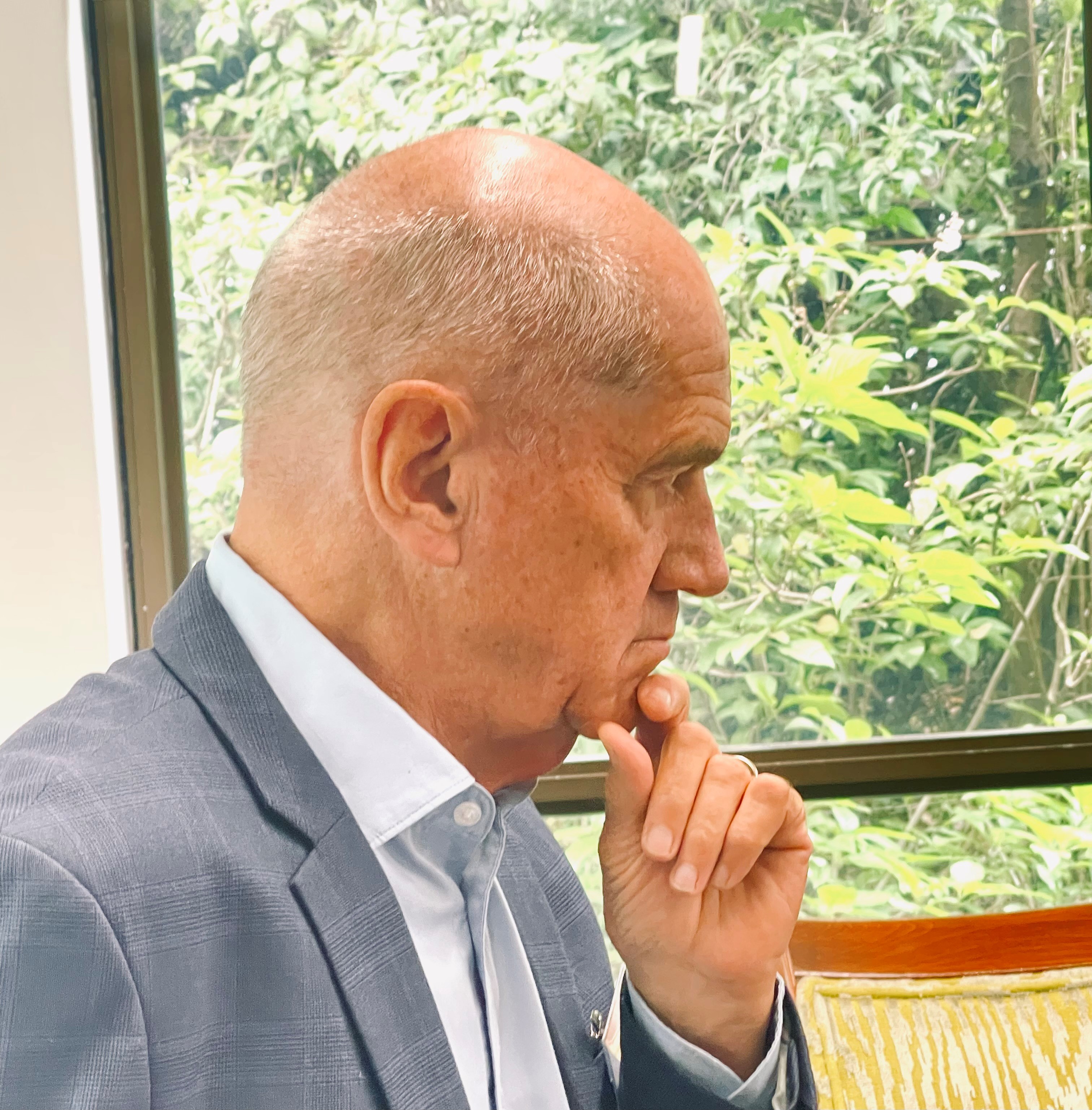
Ishmael Jaffree didn't set out to become a villain in the eyes of his neighbors, but he wasn't the type of man to shrug off a violation of his kids' rights just to keep the peace. When he found out his children were being led in organized prayer in Alabama public schools, he didn't just complain at a PTA meeting. He sued. That fight went all the way to the Supreme Court, changing the American legal landscape forever. Ishmael Jaffree passed away recently at the age of 80, leaving behind a legacy that remains as polarizing today as it was in the 1980s.
You might think the issue of school prayer was settled decades ago. It wasn't. The 1985 case Wallace v. Jaffree serves as the bedrock for the modern understanding of the Separation of Church and State in classrooms. Jaffree wasn't just fighting a "moment of silence." He was fighting a state government that was actively trying to smuggle religious indoctrination back into the school day.
Why the Jaffree Case Still Matters
The case started in Mobile, Alabama. Jaffree, an attorney, noticed his three children were being subjected to various religious activities. This included teachers leading the class in vocal prayer and grace before lunch. At the time, Alabama had a law that authorized a one-minute period of silence for "meditation or voluntary prayer."
That sounds harmless to some. To Jaffree, it was a blatant attempt by the state to endorse religion. He was right. The Supreme Court eventually agreed with him in a 6-2 decision, ruling that the Alabama law was unconstitutional because it lacked any secular purpose. The state's true intent was to return voluntary prayer to the public schools.
Justice John Paul Stevens wrote the majority opinion. He noted that the First Amendment requires the government to remain neutral. It can't favor religion over non-religion. When Alabama changed its law to specifically include the words "or voluntary prayer," it crossed the line. It wasn't just about silence anymore. It was about the state putting its thumb on the scale for religious practice.
Facing the Backlash in Mobile
Taking this stand wasn't easy. It was dangerous. Jaffree and his family faced intense harassment. People called his house with death threats. His children were bullied. In a deeply religious pocket of the South, Jaffree was seen as an outsider attacking the very fabric of the community.
He wasn't an outsider, though. He was a father protecting his children’s right to be free from government-mandated worship. He stood his ground even when the social cost was astronomical. That kind of grit is rare. Most people would’ve moved away or kept their heads down. Jaffree chose the courtroom.
The Legal Nuance People Miss
Many critics of the Wallace v. Jaffree decision argue that it "kicked God out of schools." That’s a fundamental misunderstanding of the ruling. The court didn't ban students from praying. It banned the state from encouraging or facilitating it.
- Students can pray privately.
- Students can read religious texts on their own time.
- The school simply cannot use its authority to lead those prayers.
If you’re a parent, you should appreciate this regardless of your faith. If the school can lead a Christian prayer today, a different school board could lead a Muslim, Jewish, or Satanic prayer tomorrow. Neutrality protects everyone.
The Evolution of the Moment of Silence
Since 1985, the "moment of silence" has evolved. Many states now have laws that mandate a period of quiet reflection without mentioning prayer. These usually pass constitutional muster because they don't explicitly endorse a religious act.
Ishmael Jaffree’s victory forced lawmakers to be more careful. It didn't end the debate, but it drew a clear line in the sand. It forced the government to prove it had a secular reason for its actions.
[Image of a classroom with a chalkboard]
Jaffree’s life after the case remained dedicated to civil rights and legal defense. He didn't fade into obscurity. He continued to work as a lawyer, often representing those who had no one else to speak for them. He understood that the law is a tool for the powerless.
What You Should Do Now
The fight for secular education is currently experiencing a massive resurgence. You see it in debates over library books, curriculum changes, and new state laws attempting to place religious texts in classrooms.
Don't assume your rights are self-executing. They aren't. They require constant defense.
- Read the actual rulings. Don't rely on a headline. Go read the majority opinion in Wallace v. Jaffree. It's a masterclass in First Amendment logic.
- Watch your local school board. Most of these shifts start at the local level, not the federal one. Stay informed about what policies are being introduced in your district.
- Support legal advocacy groups. Organizations like the ACLU or Americans United for Separation of Church and State carry on the work that people like Jaffree started.
Ishmael Jaffree was a man of principle who didn't blink when the world stared him down. His passing is a reminder that the protections we take for granted were bought with the courage of individuals willing to be unpopular. Freedom of conscience isn't just a phrase in a textbook. It's a lived reality that requires people like Jaffree to stand up and say "no" when the government oversteps. Keep a close eye on your local legislature. The next big challenge to these precedents is likely already in the works.