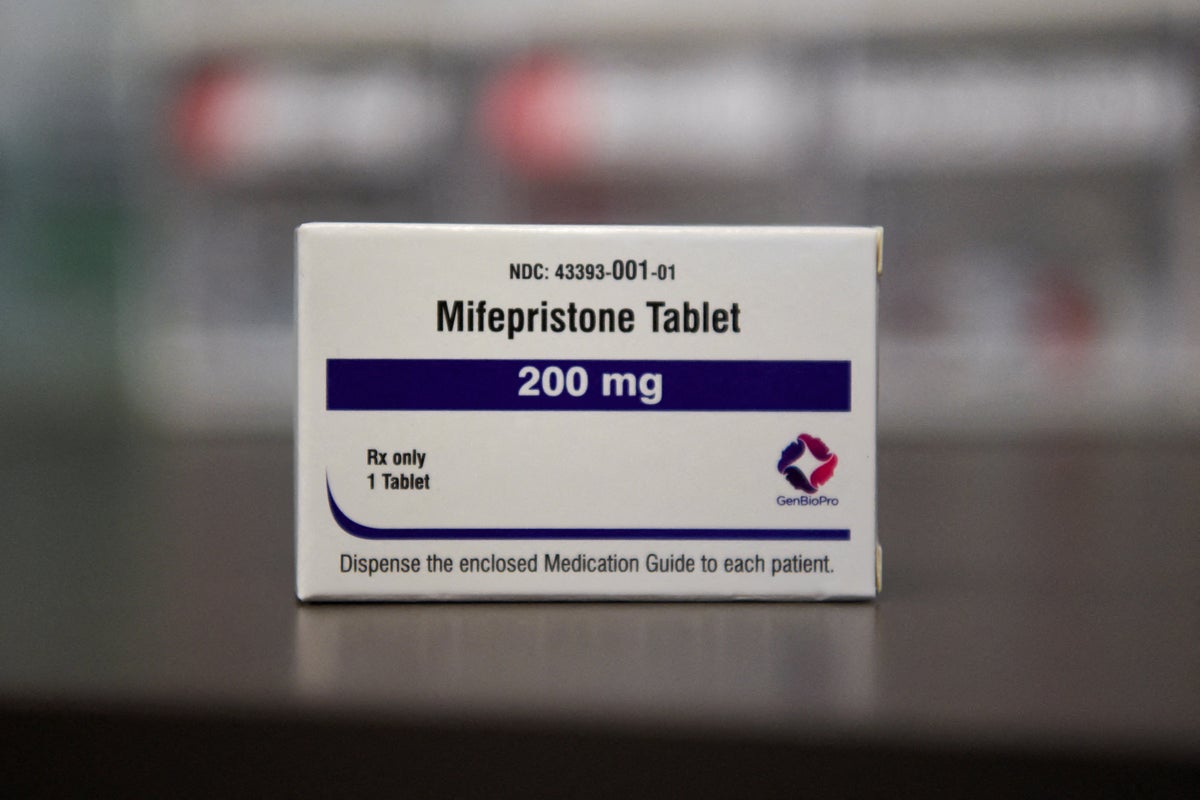
The mail-order pharmacy system for mifepristone just hit a massive legal wall. A federal appeals court recently ruled to restrict how abortion pills are distributed, effectively blocking the mail-order access that millions of people have relied on since the pandemic. If you've been following the chaotic legal timeline of reproductive rights in the U.S., you know things are moving fast. This isn't just about a single drug. It’s about whether a court can override the FDA's scientific judgment decades after a pill was approved.
The 5th U.S. Circuit Court of Appeals didn't pull the drug off the shelves entirely, but they rolled back the clock. They essentially reinstated strict rules that existed before 2016. This means no more receiving mifepristone through the mail. No more getting a prescription via a quick telehealth appointment. Instead, patients are back to square one: mandatory in-person doctor visits and a much narrower window of time to use the medication. You might also find this similar article useful: The Brutal Truth About the Iran Stalemate.
What the Court Actually Decided
The judges in the 5th Circuit didn't go as far as the lower court judge in Texas, who wanted to suspend the FDA’s approval of mifepristone altogether. That would have been a nuclear option. Instead, they took a "middle ground" that still feels like a tectonic shift for healthcare providers.
By blocking mail-order access, the court is targeting the most common method of abortion in America. Current data shows that medication abortions account for more than half of all abortions in the country. The FDA had previously eased restrictions to allow for remote prescribing and mail delivery, citing years of safety data. The appeals court disagreed. They’ve decided that the "status quo" should return to an era where the process was much more cumbersome. As highlighted in detailed coverage by BBC News, the results are worth noting.
This ruling specifically targets the FDA's decisions from 2016 and 2021. In those years, the agency expanded the window for using the drug from seven weeks of pregnancy to ten and allowed it to be sent by mail. The court’s move to undo these changes creates a logistical nightmare. Imagine being a patient in a rural area where the nearest clinic is four hours away. Under this ruling, you can't just talk to a doctor on your laptop and wait for a package. You have to drive. Twice.
The FDA Safety Data the Court Ignored
Let's talk about the science because it often gets buried under the legal jargon. Mifepristone has been used by millions of people since it was approved in 2000. It's safer than Tylenol or Viagra by almost every statistical measure. The FDA doesn't just hand out approvals for fun; they require mountains of clinical trial data.
When the FDA decided to allow mail-order access, they did it because the evidence showed that telehealth was just as safe as in-person visits. The medical community—including the American College of Obstetricians and Gynecologists (ACOG)—has been vocal about this. They argue that these restrictions aren't based on medical necessity. They’re based on politics.
When you add unnecessary hurdles to a medical procedure, you aren't making it safer. You’re just making it harder for poor people to access. That's the reality. If you have money and a reliable car, a few extra trips to a clinic is an annoyance. If you’re working two jobs and don't have childcare, it’s a total barrier.
The Problem With Overruling Experts
This case sets a dangerous precedent for the entire pharmaceutical industry. If a group of judges can decide that they know better than FDA scientists about the safety of a drug, what stops them from doing the same to vaccines, birth control, or even cancer treatments?
Pharmaceutical companies are terrified of this. They spend billions of dollars on R&D based on the "gold standard" of FDA approval. If that approval can be yanked away or neutered by a court 23 years later, the whole system becomes unstable. It’s not just an "abortion issue" anymore. It’s a "how do we trust the medicine in our cabinet" issue.
How This Affects States Where Abortion Is Legal
You might think that if you live in a "blue state" like California or New York, this doesn't touch you. You'd be wrong. Because this is a federal appeals court ruling regarding FDA regulations, it applies nationwide. The FDA is a federal agency. If their rules are changed by a court, those changes don't stop at state lines.
If this ruling stands, a doctor in Manhattan or Seattle still can't mail mifepristone to a patient. The "shield laws" that some states have passed to protect their doctors might offer some legal cover, but the conflict between state and federal law is headed for a massive collision. We’re looking at a patchwork of legality that even seasoned lawyers struggle to navigate.
The Supreme Court is the Final Stop
Don't expect this to be the end of the story. The Supreme Court has already signaled that they’ll have the final word. For now, the high court has issued a "stay," which means the old, easier rules stay in place while the legal battle plays out. This means you can still get mifepristone by mail for the moment, but that could change any week.
The legal strategy here is clear. The plaintiffs—a group of anti-abortion doctors—chose a specific court in Amarillo, Texas, because they knew they’d get a sympathetic judge. It’s a tactic called "forum shopping." They want to force the Supreme Court to either uphold their restrictive view or risk looking like they're ignoring their own precedent from the Dobbs decision.
Practical Realities for Patients and Providers
If you’re someone who might need these services, or if you’re a healthcare provider, the uncertainty is the most exhausting part. One day the mail is okay. The next day it’s a felony. This "legal whiplash" is a feature of the strategy, not a bug. It’s designed to confuse people until they give up.
Providers are already pivoting. Many are looking into "misoprostol-only" protocols. Misoprostol is the second drug used in a medication abortion, and it isn't under the same legal attack as mifepristone. While it’s slightly less effective and can have more side effects when used alone, it’s a viable backup. It shows the lengths the medical community will go to ensure care continues, even when the courts try to shut the door.
What You Can Do Right Now
The most important thing is to stay informed through reliable sources rather than social media snippets. Look at the Center for Reproductive Rights or the Guttmacher Institute for the most current legal maps. If you’re in a position to help, supporting independent clinics is vital. These clinics are the ones on the front lines of the in-person requirement, and they're going to see a massive influx of patients if the mail-order ban becomes permanent.
Keep an eye on the Supreme Court docket. The ruling will likely come down to how they interpret the Comstock Act—an 1873 law that hasn't been enforced in decades but is being resurrected by activists to ban the mailing of "obscene" materials, which they argue includes abortion medication. It’s a bizarre, archaic legal argument, but in the current climate, nothing is off the table.
Prepare for more disruption. Stock up on emergency contraception, which is different from the abortion pill and remains widely legal and available over the counter. If you need medication abortion services, don't wait. The rules are in a state of flux, and acting sooner rather than later is your best bet for navigating a system that's being rewritten in real-time. Reach out to local abortion funds if cost or travel becomes an issue; they exist specifically for this reason. The legal battle is far from over, but the fight for access is happening every single day in clinics across the country.