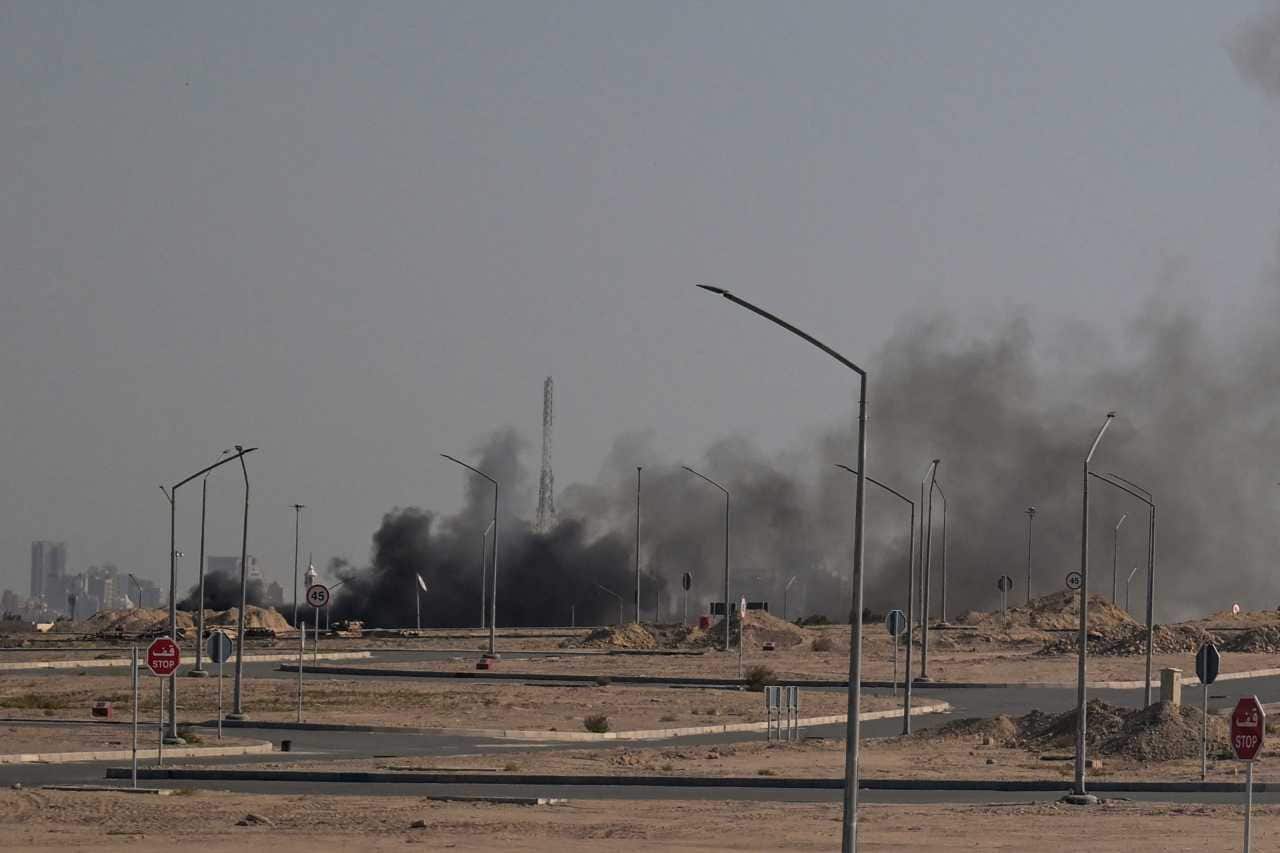
The dust in Kuwait City has a way of tasting like copper when the wind kicks up from the north. It settles on the windshields of idling SUVs and clings to the sharp creases of business suits in the Mubarakiya Souq. Usually, this is just the background noise of life in a desert metropolis. But on a Tuesday afternoon, when the phone vibrates with a notification from the United States Embassy, the air suddenly feels heavier. Thicker.
The message was brief. Clinical. "Do not come to the embassy."
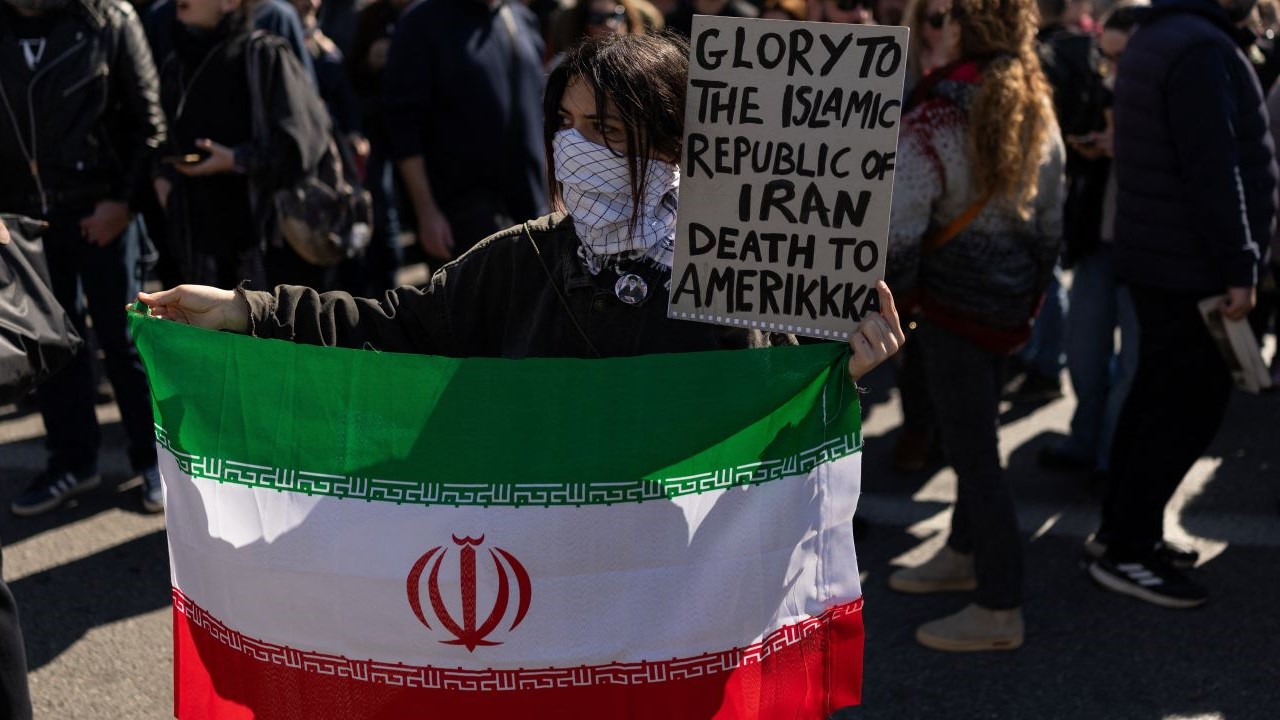
To a casual observer scrolling through a news feed in London or New York, it looks like a standard security update—a dry line of text issued amidst the escalating tensions between Israel and Iran. To the people on the ground in Bayan, where the embassy sits as a sprawling, fortified fortress of American diplomacy, those five words are a physical barrier. They represent the moment where the abstract geopolitical chess match between Tehran and Jerusalem finally crosses the border and knocks on your front door.
Consider Sarah. She isn’t a diplomat or a spy. She is a thirty-two-year-old teacher from Ohio who has spent the last three years building a life in Kuwait. She has a routine: coffee at a specific shop in Salmiya, Sunday night dinners with a group of expatriate friends, and a long-standing appointment at the embassy to renew her passport so she can fly home for her brother’s wedding.
She was halfway through her commute when the alert flashed.
Suddenly, the passport isn't just a document. It is a lifeline that has been momentarily severed. The road to the embassy, usually a mundane stretch of asphalt, became a zone of exclusion. Sarah pulled her car to the shoulder, the hazard lights blinking in rhythmic synchronization with her own spiking pulse. She watched the traffic flow past, most drivers oblivious, while she sat in the silent realization that she was living in the splash zone of a conflict she only knew through headlines.
This is how modern warfare breathes. It doesn't always start with the roar of engines or the whistle of descending steel. Sometimes, it starts with a closed gate and a polite suggestion to stay away.
The Invisible Geography of Risk
Kuwait occupies a precarious piece of geography. It is a thumb of land pressed against the top of the Persian Gulf, caught in the narrow gap between the giants of the region. To the north and east lies Iran. To the west and north, Iraq. And further west, the simmering fuse of the Levant. When Israel and Iran exchange threats, the vibrations travel through the bedrock of the entire Middle East.
The U.S. Embassy in Kuwait isn't just an office building. It is a symbol of a deep, decades-old security architecture. It represents the promise that the oil will flow, the borders will hold, and the regional status quo will remain intact. When that symbol pulls up its drawbridge, the message is clear: the status quo is wobbling.
The "Do Not Come" order wasn't a response to a specific, localized bomb threat. It was a reaction to the atmospheric pressure of regional war. As Israel weighs its responses to Iranian maneuvers, and Iran signals its readiness to strike back at American assets, every embassy in the region becomes a lightning rod. The decision to limit public access is a form of hunkering down. It is the diplomatic equivalent of bracing for impact.
But for the thousands of Americans and local staff who rely on that building, the bracing feels like abandonment.
The Cost of a Closed Door
Security experts talk in terms of "threat vectors" and "mitigation strategies." They use cold, hard numbers to justify the closing of a consular section. They aren't wrong. Their job is to protect the lives within the walls. Yet, the human cost of these closures ripples outward in ways that don't make it into the SITREPs sent to Washington.
There are the families waiting on visas that could mean the difference between a new life and a dead end. There are the business owners who need signatures to finalize contracts that keep hundreds of people employed. Then there is the psychological toll. A closed embassy is a signal to the local population that the "big brother" in the neighborhood is worried.
In the cafes of Kuwait City, the conversation shifted. People stopped talking about the heat or the latest football scores. They began to look at the sky. They checked their fuel gauges. They wondered if the closure was a one-day precaution or the first chapter of a much longer, darker book.
Panic is a slow-moving liquid. It starts at the edges and fills the low spots first. When Sarah finally turned her car around and headed back to her apartment, she noticed a line forming at a nearby petrol station. Was it because of the embassy alert? Or was it just a coincidence? In a state of heightened tension, there are no coincidences. Everything is a data point. Everything is a warning.
The Shadow Play of Tehran and Tel Aviv
To understand why a building in Kuwait shuts its doors, you have to look 1,000 miles in either direction. The conflict between Israel and Iran has moved out of the shadows of cyberattacks and maritime sabotage into the blinding light of direct confrontation.
For years, the two nations engaged in a "war between wars." It was a series of tactical strikes designed to annoy but not to ignite. That era is over. Now, we are in the era of the "threshold." Both sides are testing how far they can push before the entire structure of regional peace collapses.
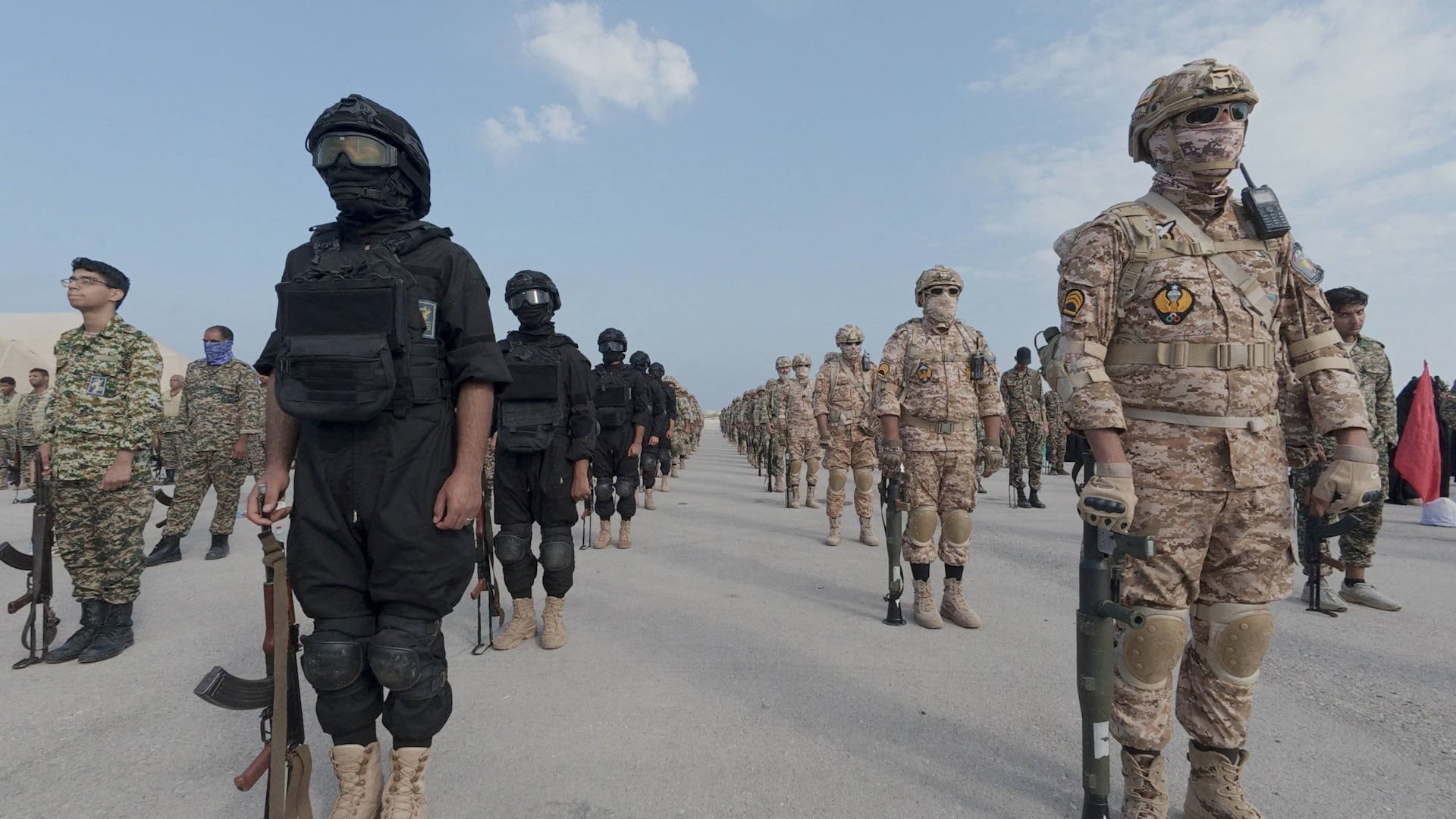
The United States finds itself in the unenviable position of the guarantor. It must back its ally, Israel, while desperately trying to prevent a conflagration that would draw thousands of American troops into another "forever war" in the sands of the Middle East. Kuwait, as a primary host of U.S. forces and a critical diplomatic hub, is the front row of the theater.
The embassy’s warning is a recognition of this vulnerability. It is an admission that the U.S. cannot fully control the variables. If Iran decides to retaliate against "American interests" for Israeli actions, the embassy in Kuwait is a massive, stationary target. By clearing the lobby of civilians, the State Department is simply reducing the number of potential casualties in a worst-case scenario.
It is a logical, rational, and deeply unsettling move.
The Silence in the Lobby
Imagine the interior of that embassy right now. Usually, it is a hum of activity. The rhythmic thunk of stamps hitting paper. The low murmur of people telling their stories to consular officers behind bulletproof glass. The smell of burnt coffee and the crinkle of numbered tickets being pulled from a dispenser.
Now, it is silent.
The marble floors are polished and empty. The chairs in the waiting area are neatly lined up, staring at blank television screens that usually broadcast looped videos of American National Parks. The officers are still there, of course, but they are behind the scenes. They are monitoring cables. They are coordinating with the Pentagon. They are looking at satellite imagery of missile silos and troop movements.
This silence is the most terrifying part of the geopolitical machine. It is the moment when diplomacy stops being a public service and starts being a survival exercise.
For the residents of Kuwait, both local and foreign, the silence from the embassy is deafening. It forces them to confront the reality of their surroundings. They are living on a fault line. They are residents of a beautiful, modern, thriving city that sits atop the most volatile geopolitical intersection on the planet.
Waiting for the Wind to Change
The alert will eventually be lifted. The gates will open. Sarah will get her passport renewed, and she will likely make it to her brother’s wedding. The "Do Not Come" order will be archived as a minor footnote in a year defined by tension.
But the memory of that Tuesday doesn't just vanish. It stays in the back of the mind. It changes the way people look at the fortified walls in Bayan. It serves as a reminder that the safety we take for granted is often a fragile curtain held up by the shaky hands of international diplomacy.
We live in a world where a decision made in a bunker in Tel Aviv or a high-rise in Tehran can instantly change the daily routine of a teacher in Kuwait. We are more connected than we like to admit, and more vulnerable than we want to feel.
The copper-tasting dust will continue to blow. The cars will continue to idle in the heat. But every time a phone buzzes with a notification from an official source, there will be a split second of hesitation. A quick intake of breath. A look toward the horizon to see if the gates are still open.
The gates are the only thing standing between the routine of the everyday and the chaos of the headline. For now, we wait to see if they stay shut, or if the world finds a way to breathe again.
The desert has a long memory for those who wait. Underneath the neon lights and the glimmering skyscrapers, the sand is always shifting, waiting for the next gust of wind to redefine the borders of what we call home.