London’s heartbeat is failing. As of April 2026, a fresh wave of industrial action has paralyzed the London Underground, leaving millions of commuters stranded and the city's economy bleeding millions per day. While the immediate headlines focus on the specific dates—primarily the 48-hour windows hitting the middle of this week—the crisis runs far deeper than a simple dispute over pay. This is a systemic breakdown of trust between Transport for London (TfL), City Hall, and the unions representing the drivers and station staff who keep the oldest subterranean railway in the world functioning.
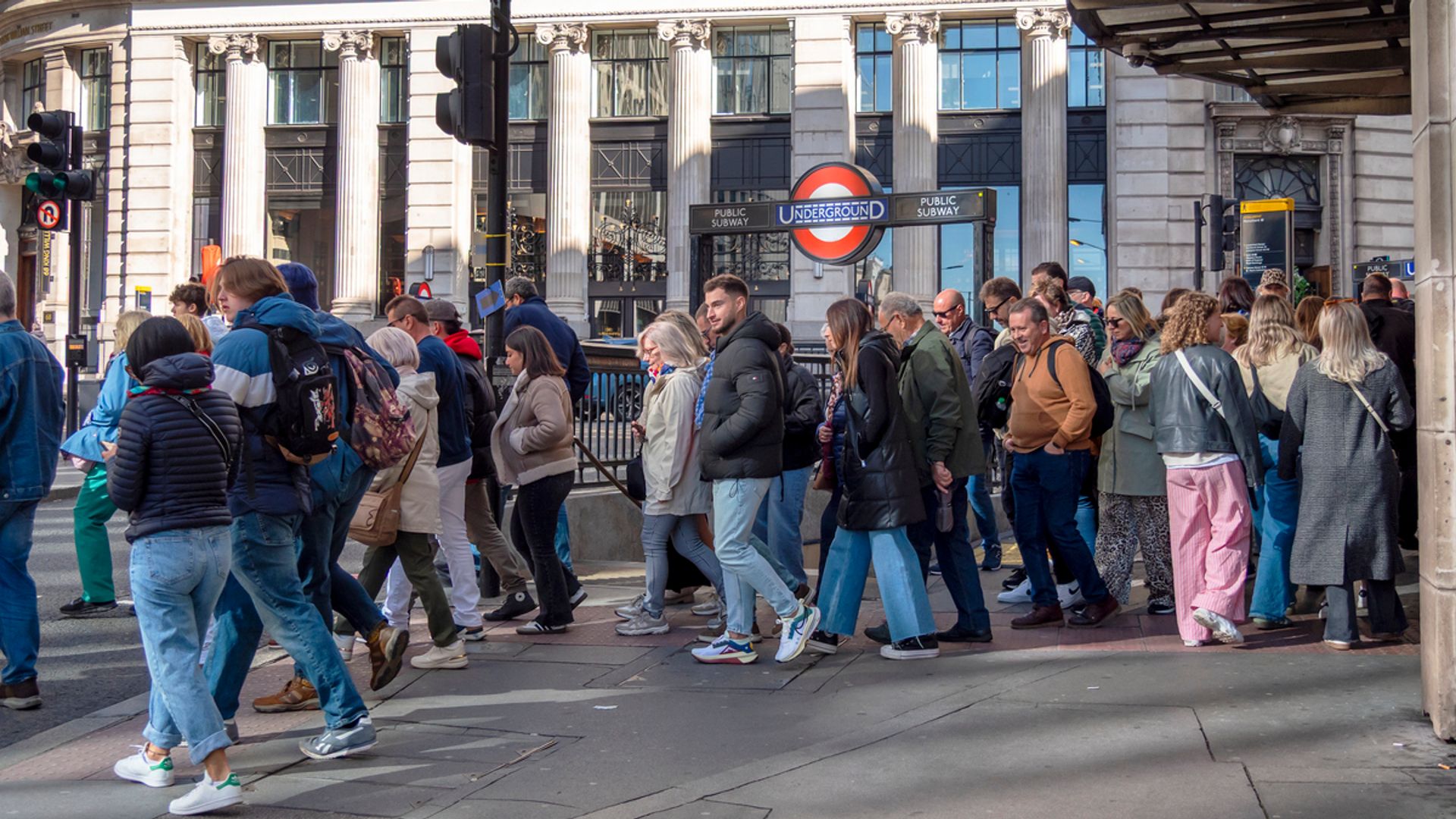
The current strike schedule targets the Central, Victoria, and Jubilee lines, creating a strategic "X" across the capital that effectively severs North-South and East-West transit. Services are expected to be non-existent on these routes, with heavy ripple effects clogging the Northern and District lines as desperate travelers seek alternatives. Buses are already at capacity by 7:00 AM. Uber prices have surged by 300%.
The Mechanics of Disruption
Industrial action on the Tube is never just about a percentage increase in a paycheck. It is about the modernization of work rules that have remained static since the 1990s. TfL is under intense pressure from the central government to achieve financial self-sufficiency, a mandate that requires aggressive "efficiency savings." For the unions, specifically ASLEF and the RMT, "efficiency" is a polite word for job cuts and the erosion of pension benefits.
The friction centers on the proposed automated track inspection systems and the shifting of station staff roles. Management argues that technology can now handle safety checks that previously required manual labor. The unions counter that removing "eyes on the ground" compromises passenger safety in an increasingly volatile urban environment. This isn't a theoretical debate; it is a fundamental clash over the value of human oversight in an automated age.
Why the Middle of the Week
Strike organizers have moved away from Friday walkouts. They realized that with the rise of hybrid work, a Friday strike simply encourages people to stay in their home offices. By targeting Tuesday, Wednesday, and Thursday, they hit the "core" office days. This maximizes the economic pressure on the Square Mile and Canary Wharf. It forces a confrontation with the reality that London’s high-finance machine cannot operate without the manual labor of the tracks.
The Economic Shrapnel
The numbers are staggering. Analysis from the London Chamber of Commerce suggests that a full day of Tube strikes costs the city's economy roughly £50 million in lost productivity and retail revenue. Hospitality bears the brunt. Small coffee shops and lunch spots in Zone 1, which rely on the steady flow of foot traffic from station exits, report revenue drops of up to 80% during strike days.
- Retail Impact: West End footfall drops significantly, hitting flagship stores during critical shopping seasons.
- Hospitality: Late-night staff cannot get home, forcing many venues to close early or pay for expensive private transport for their teams.
- Health Services: NHS trusts across London have reported a spike in cancelled appointments as both patients and medical staff find themselves unable to navigate the city.
This isn't just a minor inconvenience for the wealthy. It is a regressive tax on the lowest-paid workers who do not have the luxury of "dialing in" from a spare bedroom in the suburbs. The cleaner, the security guard, and the nurse are the ones standing on a crowded bus platform at 5:30 AM, watching three full vehicles pass them by.
The Ghost of Funding Past
To understand how we got here, we have to look at the post-pandemic funding gap. Before 2020, TfL was one of the few major transit systems in the world that didn't require a massive government subsidy for daily operations, thanks to its high farebox recovery rate. That model shattered when ridership plummeted.
The subsequent "stick-and-carrot" funding deals from the Department for Transport (DfT) came with heavy strings attached. One of those strings was a demand for pension reform. The London Underground pension fund is seen by some as an "untenable" gold-plated relic, but for the workers, it is a non-negotiable part of their total compensation. Every time a government minister mentions the word "reform," a strike ballot is virtually guaranteed.
The Pension Deadlock
Management wants to move away from final salary schemes toward defined contribution models. This mirrors the private sector’s shift over the last twenty years. The unions argue that the intensity and psychological strain of driving a train through dark tunnels for eight hours a day justifies a superior retirement package. Neither side is budging. The result is a stalemate where the passenger is the only loser.
Looking Beyond the Picket Line
There is a growing sentiment among industry analysts that the current "strike-and-patch" cycle is unsustainable. We are seeing the limits of a transit system that is trying to be a world-class infrastructure project and a self-funding business at the same time. These two goals are often in direct opposition.
If TfL is forced to continue cutting costs to meet Treasury demands, the quality of service will inevitably degrade. We see it in the increasing frequency of "signal failures" and "track faults"—often euphemisms for aging hardware that hasn't been replaced because the capital budget was raided to cover operating losses. The strikes are merely the most visible symptom of a dying funding model.
The Reality of Automation
While the DLR (Docklands Light Railway) operates successfully without drivers, the deep-level Tube lines are a different beast. Retrofitting the 100-year-old tunnels of the Northern or Piccadilly lines for full automation would cost billions and take decades. The idea that we can simply "fire the drivers and use computers" is a fantasy often peddled by pundits who have never looked at a blueprint of the London clay.
Human intervention remains a necessity for the foreseeable future. The challenge is finding a way to pay for that intervention without bankrupting the city or pricing the working class out of the network. Fares are already among the highest in Europe. A monthly Zone 1-4 travelcard now costs more than a modest car payment.
Navigating the Current Chaos
If you are traveling this week, the advice remains the same, though it offers little comfort. Walk where possible. The distance between many Zone 1 stations is shorter than the time spent waiting for a bus. Use the Elizabeth Line or the Thameslink services where you can, as these operate under different contracts and are often unaffected by Tube-specific walkouts.
However, the Elizabeth Line is not a silver bullet. Its success has actually increased the pressure on the connecting Tube lines, making the impact of a strike on the "old" network even more disruptive. When the Jubilee line goes down, the Elizabeth Line stations at Canary Wharf and Stratford become dangerous bottlenecks.
The situation is a grim reminder that for all our talk of a "digital-first" economy, the physical movement of people remains the bedrock of urban life. When the tunnels go dark, the city stops. The current impasse suggests that the tunnels will be going dark much more frequently in the months ahead. The negotiators are no longer speaking the same language, and the bridge between them has been burned by years of political posturing and fiscal desperation.
Check the live departure boards before you leave the house, but prepare for the reality that the board might be blank. The only certainty in London right now is that the journey will be longer, more expensive, and far more frustrating than it was yesterday. The era of reliable, frequent transit in the capital is under siege, and there is no clear plan to save it.