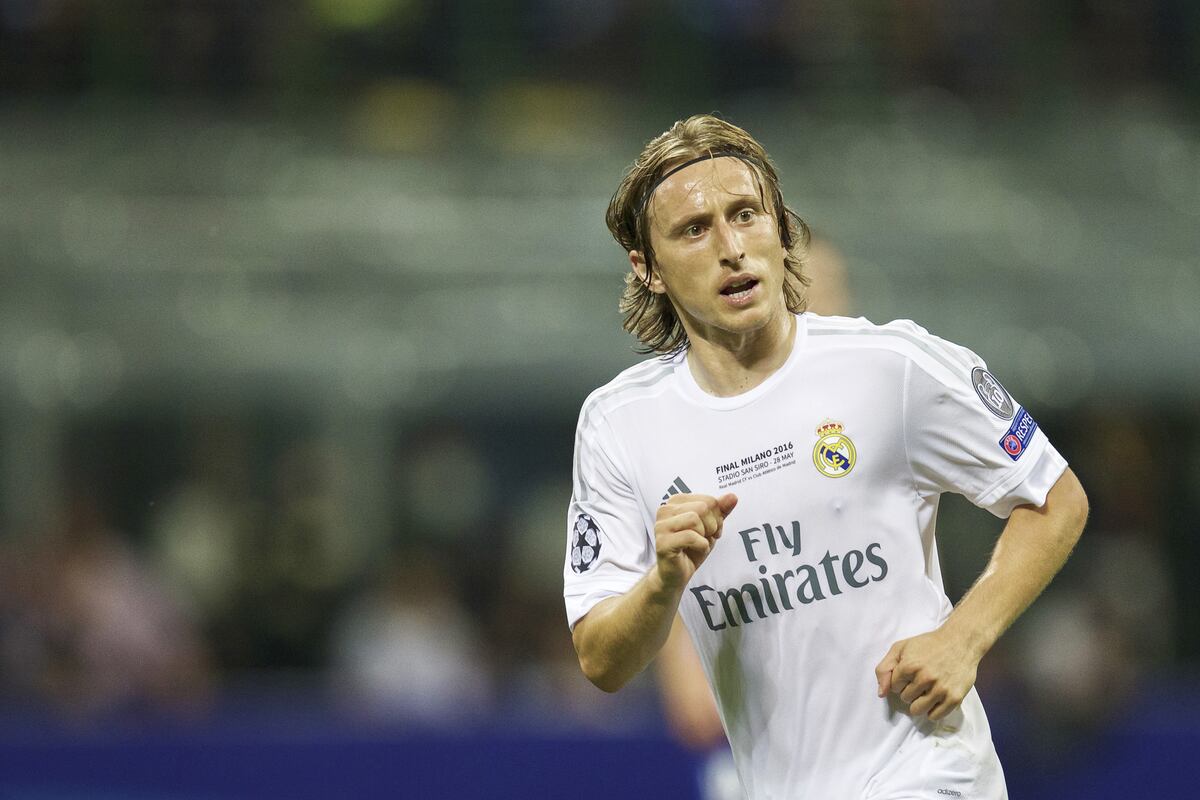
Luka Modric is heading into surgery. That's the news no Real Madrid fan or Croatian supporter wanted to hear after the dust settled at the San Siro. A fractured cheekbone isn't just a "knock." It's a structural injury that demands immediate intervention to ensure the bone heals correctly and doesn't interfere with his vision or breathing. If you've ever seen a high-impact collision on a football pitch, you know the sound is often worse than the sight. This time, the consequences are just as heavy.
The clash in Milan wasn't just a typical mid-week battle. It was high-octane. It was physical. When Modric went down, the medical staff knew almost instantly that this wasn't a standard concussion protocol situation. The facial trauma was evident. Now, the midfield maestro faces a stint on the sidelines that throws a massive wrench into club and country rotations.
The Surgical Reality of Facial Fractures
When a player like Modric suffers a fractured zygomatic bone, surgeons don't just "wait and see." They act. The procedure usually involves internal fixation. Basically, doctors use tiny plates and screws to hold the bone fragments in place while they knit back together. It sounds medieval. It’s actually standard sports medicine.
The goal is stability. You can't have a professional athlete running at 15 miles per hour with a loose bone near their eye socket. Any further impact could lead to permanent nerve damage or worse. Surgeons prioritize restoring the facial symmetry and protecting the orbital floor. Modric isn't just a player; he's a 40-year-old veteran whose recovery timelines are watched with a magnifying glass.
Recovery from this specific surgery involves a few distinct phases. First, the swelling has to subside. That takes about a week. Then, the real challenge begins—maintaining cardiovascular fitness without engaging in any contact. You'll likely see him back on a stationary bike within days, but he won't be heading a ball for a while.
Why the San Siro Clash Changed Everything
San Siro has a reputation. It’s a cathedral of football, but it’s also a place where games get gritty. The intensity of the match contributed to the injury. High-stakes football leads to late challenges and stray elbows. It's the nature of the beast.
Real Madrid now has to figure out life without their metronome. You don't just replace Modric. You change how the team breathes. His ability to escape pressure and find the "pass before the assist" is unique. While the squad has depth with younger talents like Bellingham or Camavinga, they lack that specific, seasoned composure Modric brings to a chaotic Champions League night.
The Masked Return
We’ve seen this story before. Total stars like Lewandowski or Kane have donned the protective carbon-fiber mask to return to play sooner. Expect the same here. Once the initial bone fusion is secure—usually around the three-week mark—Modric will likely be fitted for a custom-molded shield.
These masks are light. They're strong. But they're also annoying. They limit peripheral vision. For a midfielder who relies on "scanning" the field every two seconds, that's a massive handicap. He’ll have to adapt his game. He’ll have to rely even more on his internal map of the pitch rather than his literal sightlines.
Managing the Recovery Timeline
Don't expect a rushed return. Real Madrid’s medical team is notoriously cautious. They know that a second hit to an unhealed fracture could end a career. The typical timeline for a return to full-contact training after cheekbone surgery is four to six weeks.
- Week 1: Complete rest and management of post-surgical inflammation.
- Week 2-3: Non-contact aerobic work and individual ball drills.
- Week 4: Integration into group training with a protective mask.
- Week 5-6: Potential return to the matchday squad.
The timing is brutal. The European calendar is packed. Every game he misses is a game where the midfield looks a little more frantic and a little less "Modric." Croatia also has to sweat. Their talisman is the heartbeat of the national team. Any delay in his recovery ripples through their entire tactical setup for upcoming international windows.
The Impact on Real Madrid's Tactical Floor
Without Modric, the floor of the team drops. He’s the safety net. When the press gets too heavy, you give him the ball. He solves the problem.
Younger midfielders often try to "power" through a press. Modric "thinks" through it. His absence means the responsibility shifts to Federico Valverde to provide the engine and Jude Bellingham to provide the final-third magic. But the connective tissue? That’s what’s missing.
I’ve seen Madrid struggle in these periods before. They become more direct. They rely more on individual brilliance from Vinícius Júnior rather than controlled buildup. It works, sure, but it’s more tiring. It puts more strain on the defense because the ball comes back faster.
What This Means for the Midfield Hierarchy
Injuries create vacuums. Someone has to step up. This is the moment for Arda Güler or Dani Ceballos to prove they deserve more than just "garbage time" minutes. It's a trial by fire.
If you're watching the odds or the standings, keep an eye on how Madrid handles the first 20 minutes of games without him. That’s usually when Modric establishes the rhythm. If they look rushed, you know they're feeling his absence.
He’ll be back. He’s too fit and too disciplined to let this sideline him for long. But for the next month, the football world is a little less elegant.
Keep an eye on the official medical updates over the next 48 hours for the exact surgical outcome. If you're a fan, look for the first training photos of him back on the grass. That’s the real signal that the countdown to his return has started. Watch the team's rotation closely in the next three fixtures to see who Ancelotti trusts to fill the void.


