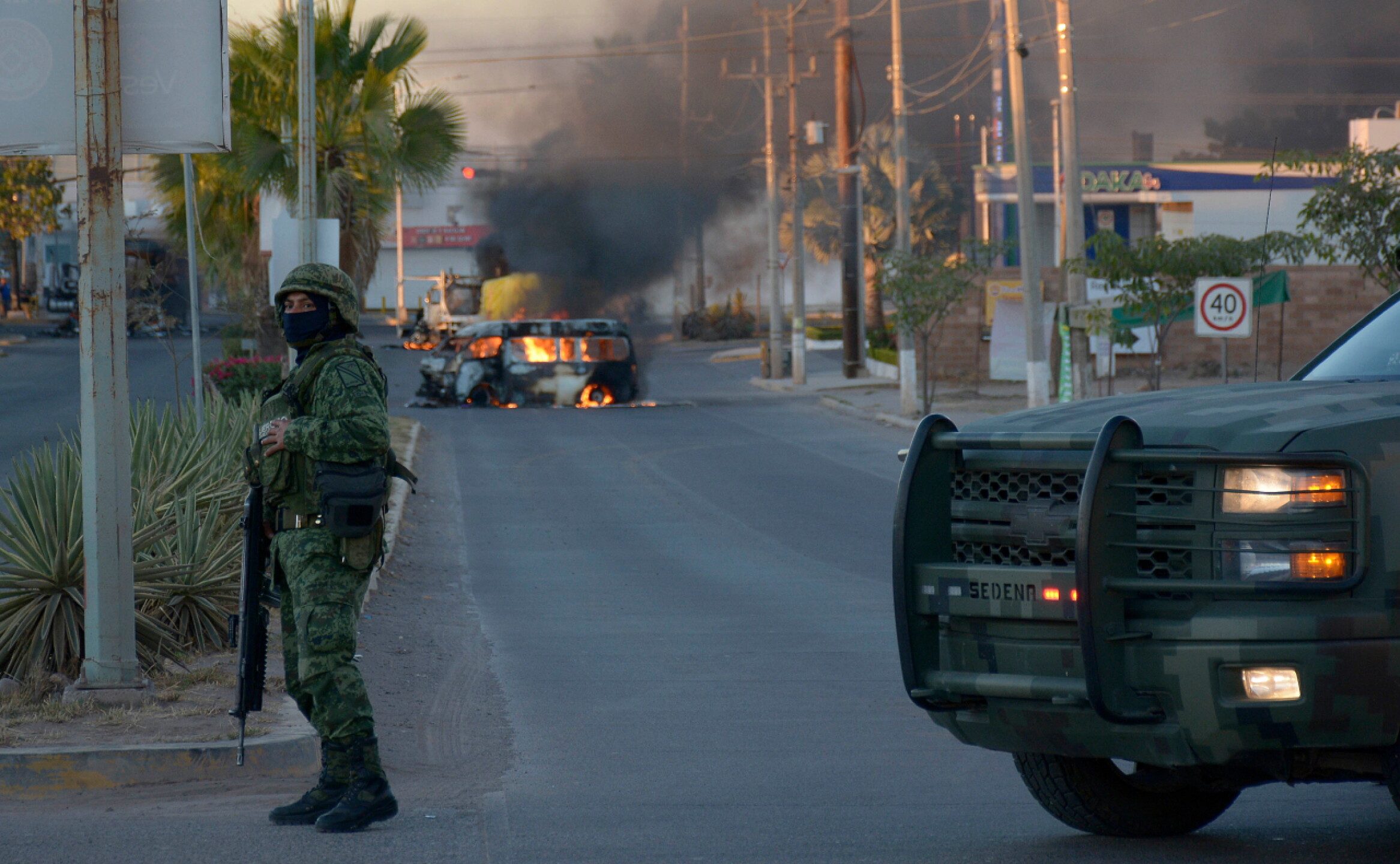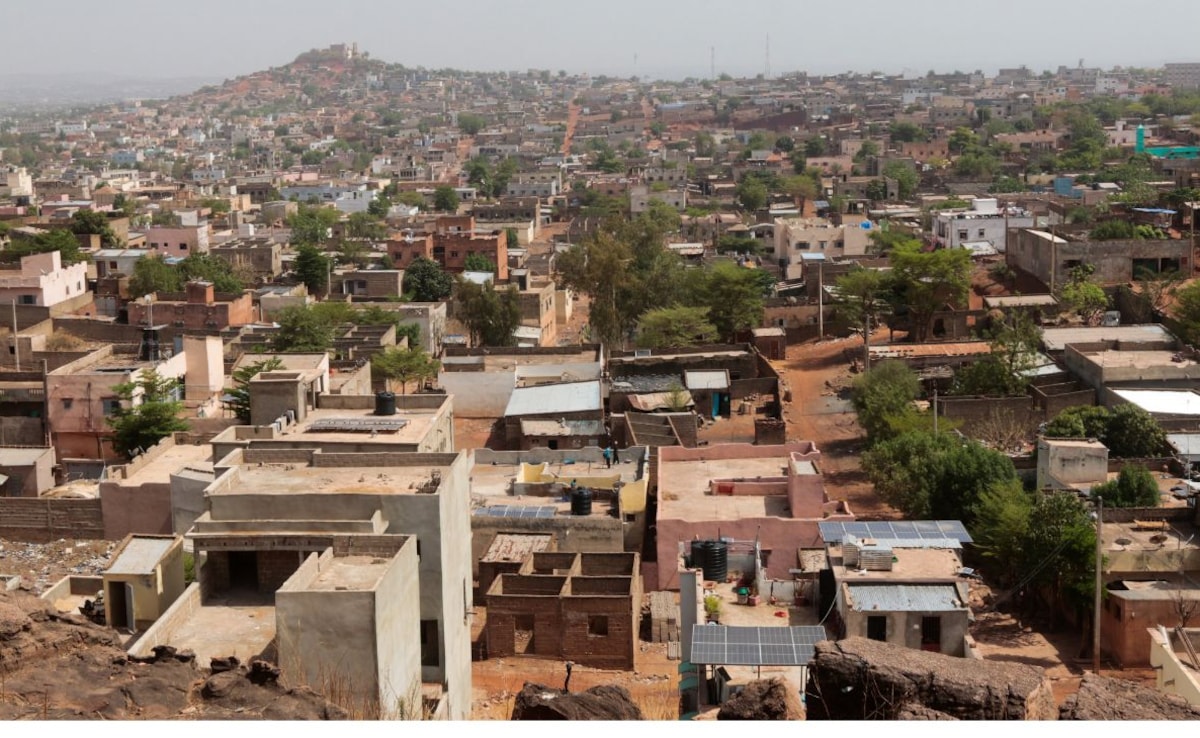
Mali's military government is finally looking inward after a massive security failure that left the capital reeling. High-ranking officials just launched a formal investigation into members of their own security forces. They aren't just looking for simple negligence. They're looking for betrayal. The probe centers on whether soldiers actually helped Al-Qaeda-linked militants pull off the deadly September attacks in Bamako. It’s a move that signals either a desperate need for accountability or a deep-seated fear that the "enemy within" is more dangerous than the insurgents in the desert.
The Bamako Breach That Changed Everything
For years, the narrative in Bamako was that the war stayed in the north. That illusion shattered when gunmen from JNIM (Jama'at Nusrat al-Islam wal-Muslimin) stormed a prestigious gendarme training school and the airport area. These aren't easy targets. We're talking about the heart of the state’s security apparatus. You don't just walk into a military school in the capital unless someone leaves the back door open.
The official death toll remains a point of contention. While the government kept the numbers vague, independent observers and leaked footage suggested dozens of recruits and soldiers were killed. The audacity of the hit was a gut punch to the junta’s claim that they’ve brought "total security" since kicking out French forces and pivoting toward Russian mercenaries. If you can't protect a military school in your own backyard, what are you actually protecting?
Why This Investigation Matters Right Now
The Malian military prosecutor isn't just doing this for show. The specific charges being discussed involve "complicity in terrorist acts" and "endangering state security." This suggests the government has evidence—or at least very strong suspicions—that the attackers had inside help.
Think about the logistics. The militants reached the military airport, a zone that should be one of the most secure patches of dirt in West Africa. They didn't just fire from the perimeter; they got inside. They burned the presidential jet. They filmed themselves laughing as they did it. To get that kind of access, you need more than just a lucky break. You need codes, schedules, and silent guards.
The military leadership is under immense pressure. They've staked their entire reputation on being tougher and more effective than the civilian governments they overthrew. If the public starts believing the army is riddled with Al-Qaeda sympathizers, the junta's foundation starts to crumble. This probe is an attempt to excise the rot before it spreads to the top.
The Russian Factor and Shifting Alliances
You can't talk about Mali’s security without talking about the Wagner Group, now rebranded under the "Africa Corps" banner. The junta brought them in to do what the West supposedly couldn't: crush the insurgency. But the September attacks proved that the presence of Russian fighters hasn't stopped the militants from striking the capital.
There's a growing friction here. If Malian soldiers are being investigated for helping JNIM, it raises questions about how well the Russians are actually vetting their partners. It also makes the rank-and-file Malian soldier feel squeezed. On one side, they have aggressive Russian "instructors" who often lead them into high-casualty battles. On the other, they have a relentless Al-Qaeda insurgency that offers a different kind of "loyalty."
When pay is late or morale hits rock bottom, the "inside man" becomes a cheap asset for terrorists. JNIM knows this. They don't just use bullets; they use bribes and ideological infiltration. This investigation is the state’s way of saying they know the infiltration has reached the capital.
What This Probe Means for the Average Person in Bamako
Life in Bamako has changed. The "it can't happen here" vibe is gone. People are looking at the checkpoints differently. If the government is investigating its own soldiers, how can the guy on the street trust the man with the AK-47 standing at the intersection?
The investigation creates a climate of suspicion. Soldiers might be less willing to take risks if they think their commanders are looking for scapegoats. Conversely, if the probe is handled with transparency—which is rare for a military junta—it could actually restore some faith. But "transparency" isn't exactly the brand in Mali right now.
Most people expect this to end with a few mid-level officers taking the fall while the structural issues remain untouched. The real problem isn't just a few "bad apples." It’s a broken security strategy that relies on mercenary muscle and neglects the deep-rooted social issues that allow groups like JNIM to recruit in the first place.
How to Track the Outcome of This Investigation
Don't wait for a glossy press release. In Mali, the real news often leaks through Telegram channels or local journalists working under immense pressure. If you're following this, look for these indicators:
- Court Martial Announcements: Watch for the transfer of specific officers to military tribunals. If the names aren't released, the probe is likely a political purge.
- Security Posture in Bamako: Increased checkpoints and "cleansing operations" in the suburbs usually follow these kinds of internal investigations.
- JNIM Propaganda: The insurgents love to boast about their "brothers" inside the system. If they release new videos showing inside knowledge of military bases, the infiltration hasn't been stopped.
This isn't just a legal matter. It's a fight for the soul of the Malian state. If the probe confirms that the military is compromised at its core, the junta's promise of security will be revealed as a hollow boast. Keep your eyes on the military court in Bamako. That’s where the real story will be written, or buried.
Pay attention to the specific units being targeted. If the investigation stays confined to the gendarmerie, it’s a localized cleanup. If it touches the elite paratrooper units or the air force, the government is admitting the problem is systemic. This isn't a drill. It’s a survival move by a government that realized too late that the front line is everywhere.