The escalation of targeted violence within urban centers is not an isolated series of unfortunate events but a predictable outcome of systemic failures in deterrence, surveillance, and socio-cultural enforcement. When a suspected homophobic attack leaves an individual in critical condition, the incident serves as a lagging indicator of a degraded security environment. To analyze this event with the rigor required for strategic prevention, we must move past the emotional surface of the reporting and deconstruct the three fundamental vectors of targeted assault: the environmental vulnerability, the perpetrator’s risk-reward calculation, and the institutional response lag.
The Triad of Targeted Assault Logic
Targeted violence operates within a specific structural framework. Unlike random opportunistic crime, a hate-motivated attack requires a convergence of factors that allow the perpetrator to feel both justified and safe from immediate intervention.
- Target Selection and Dehumanization Mechanics: The perpetrator identifies a victim based on perceived identity markers. This process relies on a cognitive framework where the victim is viewed not as an individual but as a representative of a group. This shift reduces the psychological barrier to extreme violence.
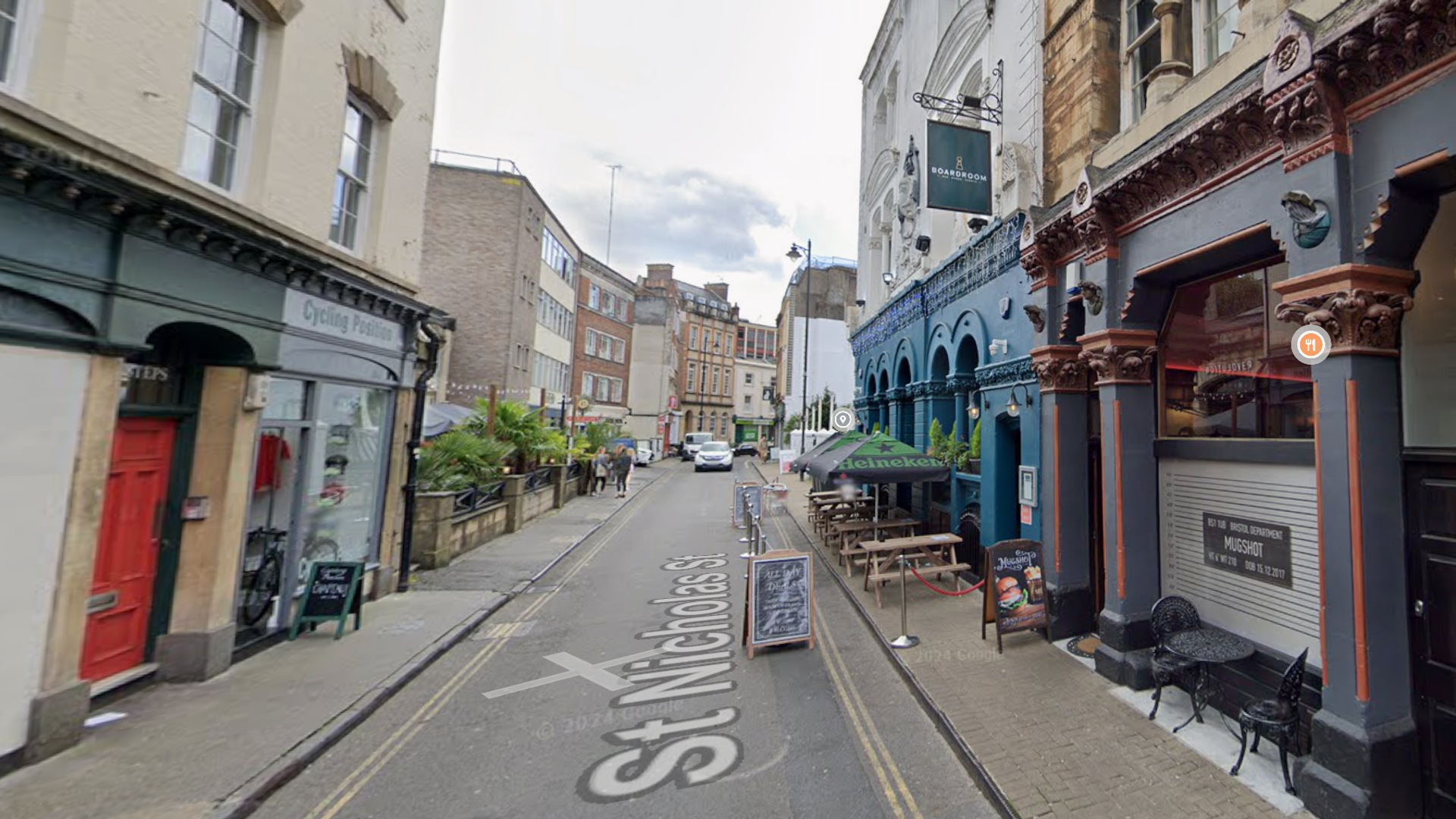
- Environmental Permission: Physical spaces that lack high-frequency foot traffic, visible law enforcement, or active bystander engagement function as "permissive environments." A street becomes a high-risk zone when the architectural and social design fails to provide natural surveillance.
- The Deterrence Gap: If the perceived probability of apprehension is low, the cost-benefit analysis for the attacker shifts. In many urban centers, the time between the initiation of an assault and the arrival of emergency services exceeds the duration of the violence itself, creating a window of impunity.
Quantifying the Institutional Response Lag
The survival of an individual in "critical condition" depends entirely on the speed of the chain of survival. This chain is frequently broken by inefficiencies in public safety infrastructure. The time-to-treatment for trauma victims is the primary variable in mortality rates, yet municipal strategies often focus on reactive investigation rather than proactive response time optimization.
The bottleneck occurs at the transition point between the incident report and the deployment of Advanced Life Support (ALS). When an attack is motivated by bias, the intensity of the violence often results in complex trauma—multi-system organ failure, severe hemorrhaging, or traumatic brain injuries—that requires surgical intervention within the "Golden Hour." If the dispatch system or the physical layout of the city prevents responders from reaching the scene within ten minutes, the statistical probability of the victim shifting from "critical" to "deceased" increases exponentially.
The Socio-Economic Cost of Public Space Degradation
Hate crimes generate a ripple effect that destabilizes the local economy and social cohesion. This is not a vague social concern; it is a measurable economic drag.
- Commercial Flight: Sustained violence in specific districts leads to a decrease in nighttime foot traffic, directly impacting the hospitality and retail sectors.
- Security Premiums: Local businesses are forced to internalize the costs of private security, essentially a tax on the failure of public safety.
- Community Displacement: High-visibility attacks accelerate the flight of diverse populations, leading to a homogenization of the area that further erodes the cultural and economic dynamism of the city.
The "broken windows" theory, while controversial in its original application, has a logical core: when a community perceives that the state cannot or will not protect individuals from targeted violence, the social contract dissolves. The result is a cycle of hyper-vigilance and isolation that further reduces the "eyes on the street" necessary to deter future attackers.
Structural Failures in Data Collection and Reporting
The standard reporting of "suspected homophobic attacks" is often hampered by a lack of granular data. Law enforcement agencies frequently struggle to categorize bias-motivated crimes accurately during the initial investigation phase. This creates a data vacuum that prevents the deployment of predictive policing resources.
The friction in the reporting process includes:
- Classification Latency: The delay between the incident and its formal designation as a hate crime prevents real-time resource reallocation.
- Underreporting Thresholds: If a community feels marginalized by the police force, victims are less likely to report "minor" precursor incidents (harassment, stalking), which allows the escalation to physical violence to go unchecked.
- The Attribution Problem: Without high-fidelity video evidence or reliable witnesses, the "suspected" nature of the attack remains in legal limbo, hindering the prosecution’s ability to apply sentencing enhancements that serve as the primary legal deterrent.
Re-engineering Public Safety Through Environmental Design
To reduce the frequency and severity of these incidents, municipal strategy must pivot toward Crime Prevention Through Environmental Design (CPTED). This involves more than just "more police." It requires a technical overhaul of the physical landscape to eliminate the conditions that favor the attacker.
High-intensity lighting is a fundamental baseline, but it must be paired with the strategic elimination of "blind spots" in the urban fabric. Furthermore, the integration of real-time acoustic sensors and high-definition surveillance linked to AI-driven behavior analysis can provide the early warning signals necessary to disrupt an attack before it reaches a critical state.
The current model relies on the victim or a bystander to call for help. This is a reactive failure. A robust safety system should detect the signatures of physical altercations—raised voices, rapid movement, the sound of impact—and dispatch resources automatically. The goal is to shrink the window of opportunity for the perpetrator until the risk of the act outweighs any perceived ideological or personal "reward."
The Sentencing Paradox and Deterrence Theory
Legal frameworks often rely on "hate crime enhancements" as a deterrent. However, these enhancements only function if the perpetrator is rational enough to calculate the legal risk. In many cases of extreme violence, the attacker is motivated by a mix of ideological fervor and erratic psychological states, making traditional deterrence less effective.
Therefore, the strategy must shift from deterring the mind to physically preventing the act. This involves:
- Rapid Intervention Teams: Deploying specialized, highly mobile units in areas identified as high-risk through historical data.
- Bystander Empowerment Infrastructure: Developing mobile-integrated safety networks that allow citizens to report incidents silently and receive real-time guidance or protection.
- Predictive Hotspot Mapping: Utilizing machine learning to identify the specific times and locations where targeted attacks are most likely to occur based on a combination of social media sentiment analysis, historical crime data, and local event schedules.
Strategic Realignment for Municipal Authorities
The path forward requires a cold-eyed assessment of why current measures failed to protect the victim in this instance. The focus should not remain on the "suspected" motive alone, but on the structural vulnerability that allowed the suspect to engage in a prolonged, life-threatening assault in a public or semi-public space.
The primary objective is the total elimination of the "impunity window." Every second that passes between the first blow and the arrival of an officer is a failure of the city’s operational strategy. Success is measured not by the number of arrests made after the fact, but by the number of assaults interrupted in the first thirty seconds.
Municipal leaders must treat public safety as a logistics and engineering problem. The solution lies in the hardening of soft targets, the optimization of response times through better data integration, and the aggressive reclamation of public spaces through active, multi-layered surveillance. If the environment is engineered to make the successful execution of a hate crime technically impossible, the ideological motivations behind such crimes will lose their outlet for violence.
The immediate move is the deployment of a "Security Audit Task Force" to the specific coordinates of the attack. This team must identify the exact failures in lighting, surveillance coverage, and patrol frequency that were exploited. Correcting these mechanical flaws is the only way to ensure that "critical condition" does not become the standard outcome for victims of targeted urban violence.


