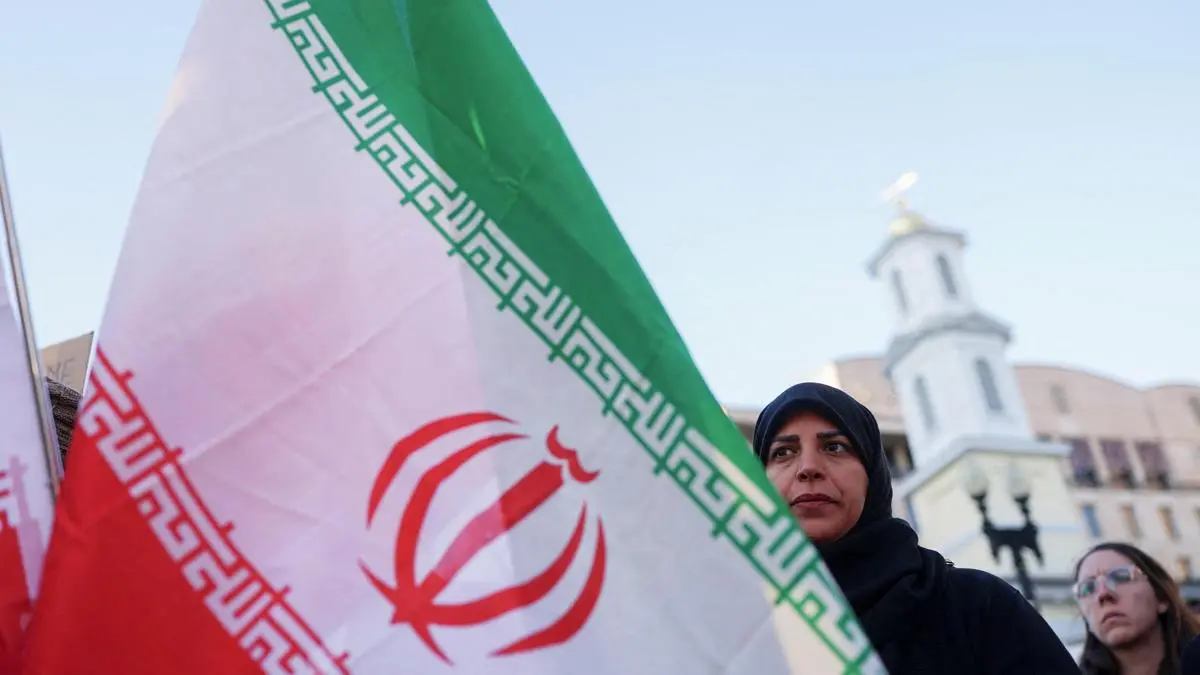
The stability of the Persian Gulf is not a matter of diplomatic sentiment but a function of energy flow, maritime security, and the structural realignment of regional power dynamics. A comprehensive US-Iran peace deal—defined here as a legally binding framework that restores the Joint Comprehensive Plan of Action (JCPOA) parameters while addressing ballistic missile proliferation—would fundamentally alter the cost-basis of India's energy security. To analyze this shift, one must move beyond the surface-level rhetoric of "historical ties" and instead quantify the variables of trade friction, infrastructure amortization, and the displacement of the "China-Russia-Iran" axis.
The Three Pillars of Geopolitical Reintegration
A formal cessation of hostilities between Washington and Tehran operates on three distinct levels of impact for New Delhi. Each level carries a specific set of second-order effects that redefine India’s competitive positioning in Eurasia.
1. The Energy Liquidity Vector
Before the 2019 tightening of US sanctions, Iran was India’s third-largest oil supplier. The elimination of "Sovereign Risk Premiums" is the primary mechanism here. Currently, India pays a hidden tax on energy through:
- Logistical Complexity: Utilizing complex payment channels (UCO Bank mechanisms) and navigating limited insurance coverage for tankers.
- Supplier Concentration: Over-reliance on Russian Urals and Gulf Cooperation Council (GCC) crudes, which creates a price-taker vulnerability.
- Refinery Optimization: Indian refineries are technically calibrated for the heavy, sour crude grades typical of Iranian fields. Restoring this supply chain reduces the operational cost of refining by optimizing the distillation curve.
2. The INSTC Infrastructure Multiplier
The International North-South Transport Corridor (INSTC) is the logical antidote to the Suez Canal bottleneck. However, its utility has been throttled by the threat of CAATSA (Countering America's Adversaries Through Sanctions Act) and the inability of global logistics firms to operate in Iranian ports without losing access to the US financial system. A peace deal de-risks the Chabahar Port Project, transforming it from a dormant diplomatic asset into a high-throughput logistics hub.
3. The Security-Inflation Hedge
The physical security of the Strait of Hormuz dictates the price of gold and the value of the Indian Rupee. When tensions spike, the "War Risk Surcharge" on shipping increases the landed cost of all imports. A peace deal removes this volatility, acting as a structural deflationary force for the Indian economy.
The Cost Function of Persistent Neutrality
India has historically practiced "Strategic Autonomy," a policy of maintaining bilateral relations with rivals. However, the cost of this neutrality has increased as the US-Iran conflict pushed Tehran closer to Beijing. The $400 billion, 25-year strategic partnership between China and Iran represents a significant "encirclement" risk for India.
The "Peace Dividend" for India is inversely proportional to Chinese influence in the region. If Iran is reintegrated into the Western financial system (SWIFT), its dependence on Chinese credit diminishes. This provides India with a window to assert its role as a primary technology and services partner, particularly in the digitalization of Iran's banking and telecommunications sectors.
Structural Bottlenecks to Realization
The primary limitation of any projected peace deal is the "Snapback Paradox." Because any executive agreement in Washington can be reversed by a subsequent administration, Iranian leadership demands "Economic Guarantees" that the US cannot legally provide under its current legislative structure. This creates a bottleneck in long-term capital expenditure (CAPEX).
Indian firms—specifically those with significant US exposure like Reliance Industries or TCS—will not commit to Iranian projects until there is a permanent legislative sunset on sanctions. The risk is not merely the loss of the Iranian market, but the total exclusion from the US dollar-clearing system. Therefore, the "peace" remains a tactical truce rather than a strategic transformation until institutional permanence is achieved.
Redefining the Maritime Security Architecture
A US-Iran deal shifts the burden of maritime policing. Currently, the US Fifth Fleet and India’s Information Fusion Centre – Indian Ocean Region (IFC-IOR) operate in a state of high-alert coordination. A reduction in state-sponsored maritime harassment allows for:
- Resource Reallocation: Shifting Indian Navy assets from the Persian Gulf to the Eastern Indian Ocean and the Malacca Strait to counter the PLAN (People's Liberation Army Navy) presence.
- Submarine Cable Security: Protection of the undersea data cables that connect Mumbai to Marseille via the Gulf, which are currently vulnerable to "gray zone" kinetic interference.
The Displacement of the Afghanistan Variable
The geography of Afghanistan necessitates Iranian cooperation for any viable Indian outreach to Central Asia. The closure of the Karachi port to Indian transit makes the Iranian route the only non-adversarial path to the heart of Eurasia.
The mechanism of "Trilateral Cooperation" (India-Iran-Afghanistan) failed previously due to the Taliban takeover and US sanctions. A peace deal allows for the revitalization of the Zaranj-Delaram highway link, bypassing Pakistani territory entirely. This is not about sentiment; it is about creating a redundant supply chain that breaks the geographical monopoly held by the China-Pakistan Economic Corridor (CPEC).
Quantitative Impact on Indian Fiscal Policy
If Iranian crude returns to the market at a volume of 1.5 to 2 million barrels per day, the global Brent price faces a downward pressure of approximately $5 to $7 per barrel, assuming OPEC+ production remains static. For India, every $1 drop in the price of oil reduces the annual import bill by roughly $1.07 billion.
Restoring Iranian supply provides a "Fiscal Buffer" that allows the Indian government to:
- Reduce the Current Account Deficit (CAD): Improving the strength of the Rupee against the Dollar.
- Subsidize Fertilizer Production: Since natural gas is a primary feedstock, and Iran holds the world’s second-largest gas reserves, the long-term potential for an undersea gas pipeline (the Mehran-to-Porbandar route) becomes a viable engineering objective.
Strategic Play: The Multi-Alignment Pivot
The terminal state of this analysis suggests that India must move from "Passive Autonomy" to "Aggressive Multi-Alignment." The moment a deal is signed, the competition for Iranian market share will be instantaneous. India’s strategic play is the "Standardization of the INSTC."
By moving to standardize customs protocols, digitalize bill of lading processes, and integrate the Unified Payments Interface (UPI) with the Iranian banking sector immediately upon the lifting of sanctions, India can capture the first-mover advantage. The goal is to make the Iranian economy technologically dependent on Indian software and service architectures before European or Chinese competitors can scale. This creates a "Digital Moat" that is far more resilient than traditional diplomatic treaties.
The focus must remain on the de-risking of the Chabahar-Zahedan railway link. This infrastructure is the "hard-wired" connection that ensures India’s relevance in the Eurasian landmass. If the US and Iran reach a settlement, India’s objective is not merely to buy oil, but to institutionalize itself as the indispensable logistics and technology partner for a re-emerging regional power.