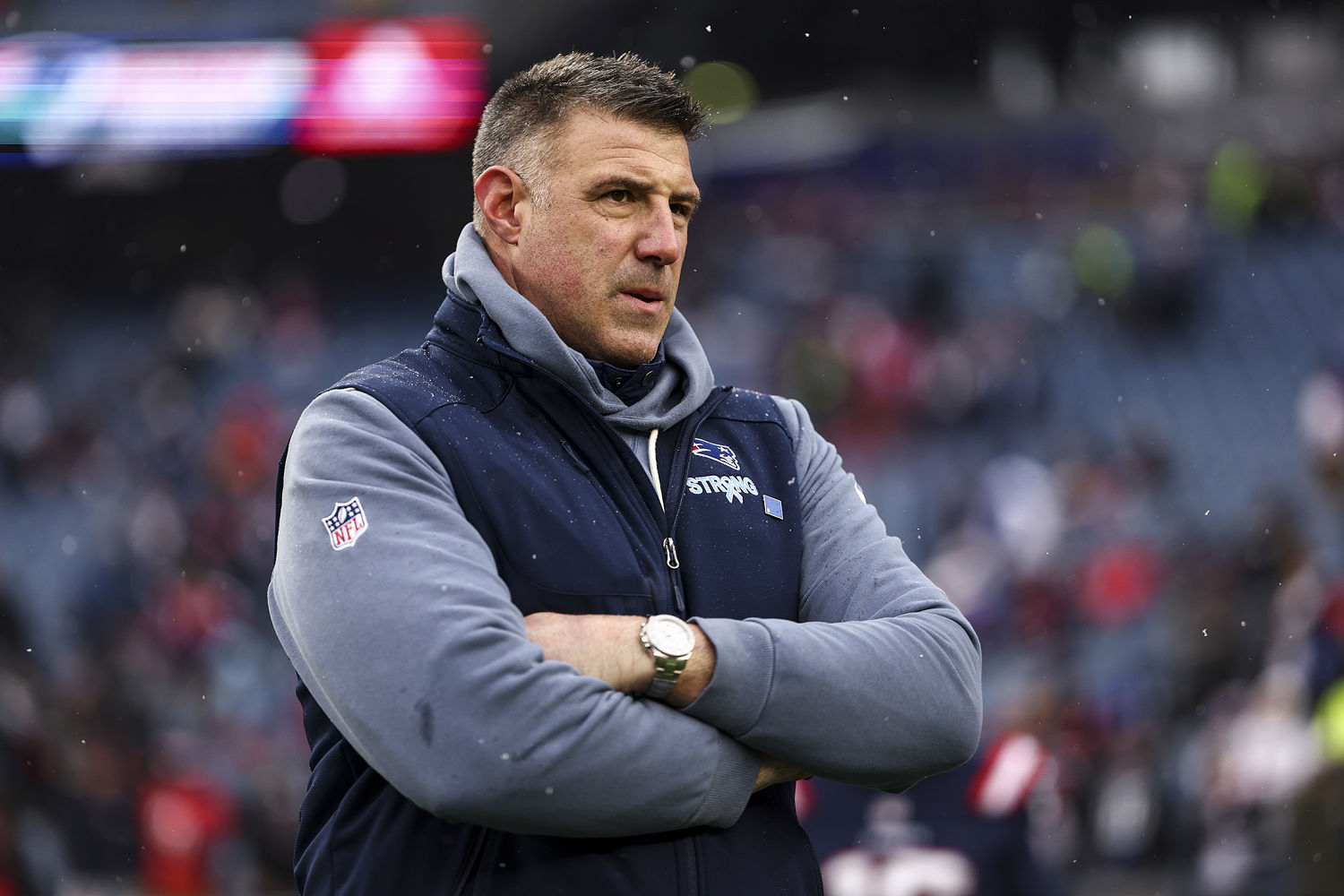
Sports media moves fast, but the fallout from the Dianna Russini and Mike Vrabel situation is moving even faster. If you’ve been following the NFL reporting circuit, you know Russini isn’t just another name. She’s a heavyweight. Yet, she’s currently off the air and away from the sidelines while her employer reviews some recently surfaced photos involving the former Titans head coach.
This isn't just about a couple of photos. It’s about the thin, often blurry line between a reporter’s professional access and personal life. When those lines cross, the network usually hits the brakes. That’s exactly what’s happening now.
Why the Photos Matter for Sports Journalism
The images in question didn’t just pop up on a random fan account. They’ve sparked a massive internal discussion at The Athletic and across the broader sports media world. It’s not about "shaming" anyone. It’s about the appearance of a conflict of interest.
In the world of breaking news, access is everything. Reporters spend years building relationships with coaches and players to get the "scoop" before anyone else. But there’s a professional standard that usually keeps things at arm's length. When a reporter is seen in a cozy or intimate setting with a primary source, it calls every bit of their past and future reporting into question.
Fans start asking the hard questions. Did she get that trade scoop because of her skills, or because of a personal connection? Was she soft on him during a losing streak because they’re friends? Once those questions start, the credibility of the entire outlet is at risk.
The Current State of the Internal Review
The network hasn’t fired Russini. They haven’t even officially "suspended" her in the disciplinary sense. They’ve pulled her from reporting duties to conduct a formal review. This is standard corporate procedure for a high-profile employee, but in the court of public opinion, it feels much heavier.
During this period, expect radio silence. You won't see her on the Sunday pre-game shows. You won't see her "insider" tweets. The goal of a review like this is to determine if any editorial standards were breached. They’ll look at her past coverage of Vrabel and the teams he’s coached. They’ll look for any bias that might have crept into her work.
It’s a brutal process. It’s also necessary if the publication wants to keep its "trusted source" status. If they let it slide without a look, every other reporter on the staff loses a bit of their standing, too.
The Double Standard Debate
We have to talk about the elephant in the room. Does this happen to male reporters?
If a male insider was caught grabbing a beer or hanging out at a house with a head coach, would we even be talking about a "review"? Probably not. In fact, many male reporters brag about their "close friendships" with GMs and coaches. They call it "building sources."
However, the nature of these specific photos is what shifted the needle. It wasn't a public dinner or a casual sideline chat. The optics suggested a level of intimacy that goes beyond the standard "source and reporter" dynamic. That's the distinction the network is clinging to. They aren't investigating a friendship; they're investigating a potential compromise of journalistic integrity.
How This Impacts NFL Coverage
Russini is one of the best in the business at finding out where the bodies are buried. Losing her voice during a critical part of the NFL cycle—especially with coaching carousels and draft prep heating up—is a massive blow to her outlet.
Other insiders are already circling. In this industry, if you aren't the one breaking the news, someone else is. The longer she’s off the air, the more ground she loses to the Schefters and Rapoports of the world.
For Mike Vrabel, the timing is equally awkward. As he looks for his next big gig in the league, he doesn't need "off-field distractions" tied to his name. Teams are notoriously paranoid. They want a coach who is focused 100% on the film room, not one who is making headlines for his social life.
What Happens Next for Russini
There are really only three ways this plays out.
- The "Slap on the Wrist": The review finds no actual breach of contract or bias. She returns to work after a "cooling off" period with a stern reminder about optics.
- The Reassignment: She stays with the company but is moved off the NFL beat to avoid any further conflict. This would be a massive demotion in terms of prestige.
- The Departure: If the review finds that the relationship influenced her reporting or if the "optics" are deemed too damaging to the brand, they might part ways entirely.
Honestly, it’s a mess. It’s a reminder that in 2026, your "private" life is only as private as the person with the smartphone camera next to you.
Navigating Professional Boundaries in 2026
If you’re in a high-stakes industry, you have to be paranoid about your image. It’s not fair, but it’s the reality.
- Assume everything is public. If you wouldn't want it on the front page of a sports blog, don't do it in a space where a camera can see you.
- Audit your sources. If a source becomes a friend, you have to disclose that to your boss immediately. Transparency protects you.
- Separate the person from the profession. It's okay to like the people you work with, but as soon as the "friendship" starts influencing your professional judgment, you’ve lost the lead.
The next few weeks will tell us everything we need to know about how the industry views female reporters in 2026. Keep your eyes on the official statements, but watch the social media activity even closer. That’s where the real story usually leaks out first.
Stay skeptical of the "official" narratives. Wait for the review to conclude before picking a side. Credibility takes a lifetime to build and about ten seconds to set on fire. Russini is currently fighting to keep hers from turning to ash.