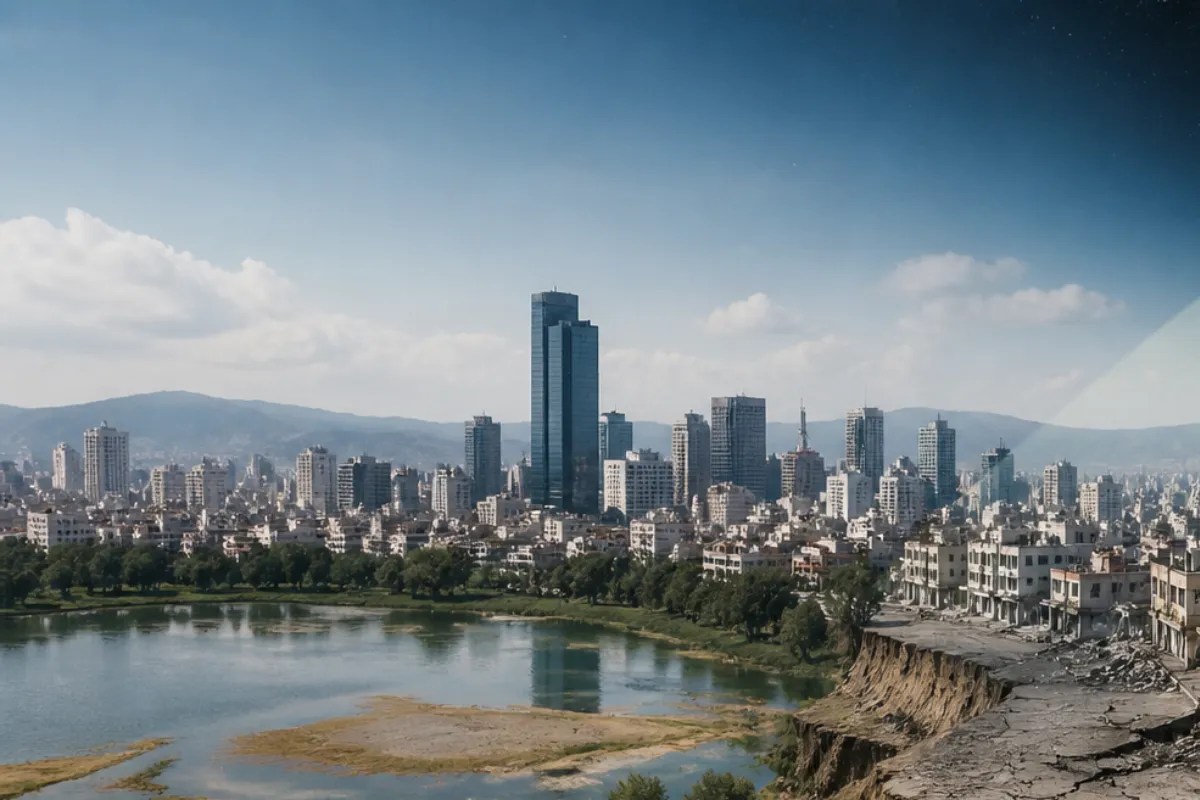
Mexico City is literally disappearing. This isn't a metaphor for urban decay or political strife. The ground is actually swallowing the city. Every single month, parts of this massive metropolis sink by about 2 centimeters. Over a year, that's nearly 10 inches. In some neighborhoods, the total drop has exceeded 10 meters since the early 1900s. It’s a slow-motion disaster that most tourists don't notice until they see a sidewalk that looks like a crumpled piece of paper or a church tilting at a 15-degree angle.
I've walked these streets. You can feel the unevenness in the soles of your shoes. The reason is simple and tragic. The city was built in the wrong place. The Aztecs founded Tenochtitlan on an island in Lake Texcoco. When the Spanish arrived, they didn't just conquer the people; they tried to conquer the geography. They drained the lakes. They built a European-style stone city on top of soft, wet clay. Now, the bill for that decision is coming due. Expanding on this topic, you can find more in: Operational Risk and Cascading Security Failures in High Density European Tourism Zones.
The Science of Subsidence in the Valley of Mexico
The technical term is land subsidence. Think of the ground beneath Mexico City like a giant, water-soaked sponge. For decades, the city has been pumping water out of the underground aquifers to feed its 22 million residents. As the water leaves, the clay particles in the soil collapse under the weight of the buildings above. Once that clay collapses, it’s permanent. You can’t just pump water back in and expect the ground to "re-inflate."
Research from the University of Oregon and UNAM (National Autonomous University of Mexico) shows that the clay layers are compressing at an irreversible rate. It’s not just the weight of the skyscrapers. Even the weight of the dry soil itself contributes to the downward pressure. The sinking isn't even, which makes it worse. One side of a street might drop faster than the other, snapping sewage pipes, gas lines, and subway tracks like they were toothpicks. Experts at Lonely Planet have provided expertise on this trend.
Why the Water Crisis Is a Catch-22
The city is thirsty. It’s one of the most populated places on Earth, and about 70% of its drinking water comes from those same aquifers that cause the sinking. If they stop pumping, people die of thirst. If they keep pumping, the city sinks until the infrastructure fails.
It’s an engineering nightmare. Currently, the city has to pump its wastewater upwards and out of the valley because the gravity-based drainage systems don't work anymore. The city has sunk below the level of the pipes meant to drain it. This creates a massive flood risk. During the rainy season, the "Gran Canal," which once drained the city effortlessly, now requires massive pumping stations just to keep the streets from becoming lagoons.
The Problem With Modern Infrastructure
We often think modern engineering can solve anything. In Mexico City, it’s actually struggling to keep up. Take the Metro Line 9. In recent years, engineers had to add massive steel supports to elevated sections because the ground beneath the pillars was shifting so much the tracks were no longer level.
- Broken Water Pipes: Approximately 40% of the city's water is lost to leaks. These leaks happen because the ground is constantly moving and snapping the pipes.
- Structural Tilt: Look at the Metropolitan Cathedral in the Zócalo. It’s been undergoing "underexcavation" for years—a process where engineers carefully remove soil from the "high" side to try and level the building.
- Ghost Floors: Some older buildings have their original ground floors now sitting below street level. You enter what used to be the second story.
Forget the Myths of a Quick Fix
People love to talk about "green solutions" or rainwater harvesting. While those are great, they aren't a magic wand for a city of 20 million. The scale of the problem is just too big. The clay is already too compacted in many areas for water to seep back in naturally. Honestly, some parts of the city might have to be abandoned in the next fifty years. It’s a harsh truth that politicians don't want to touch.
The "Day Zero" water crisis isn't a future threat. It's happening now in neighborhoods like Iztapalapa, where people rely on water trucks (pipas) because their taps have been dry for weeks. When the water stops flowing, the ground stops holding.
What Needs to Happen Now
If you're looking for a silver lining, it’s in decentralized water management. The city can’t rely on a single massive aquifer anymore.
- Fix the Leaks First: It’s insane to pump more water while losing 40% to broken pipes. A massive, city-wide infrastructure overhaul is the only way forward.
- Wastewater Treatment: Currently, Mexico City treats a tiny fraction of its water. Recycling water for industrial use would take the pressure off the aquifers.
- Protect the Conservation Zones: The southern parts of the city, like Xochimilco, are the "lungs" and "filters" of the valley. Paving over them for new housing is suicide for the city’s water table.
The situation is dire, but the city isn't dead yet. It’s a battle between human ingenuity and 500 years of bad urban planning. If you're visiting, look closely at the cracks in the pavement. They aren't just signs of age. They're the city telling you it’s tired of being heavy. Support local businesses that use filtered rainwater and be mindful of your water footprint while staying in the capital. Every drop saved is a millimeter of height preserved for the future. Don't wait for a government fix that might never come. Use less water today.