The sirens that tore through the silence of the Gulf and the Levant mere hours after the ceasefire announcement were not just technical glitches or isolated incidents of rogue fire. They were a visceral reminder that diplomatic signatures on a page rarely account for the sprawling network of non-state actors and autonomous missile batteries scattered across the region. When air defense systems in Bahrain and Israel activate simultaneously, it signals a systemic collapse of the "de-escalation" narrative that world powers have tried to sell. The reality is that the region has entered a phase of automated warfare where the speed of a digital sensor overrides the slow deliberations of a peace treaty.
Investors and citizens alike were told the ceasefire would provide a "cooling-off period." It did the opposite. It created a vacuum. In the hours following the official halt of hostilities, the sophisticated radar arrays of the Gulf states detected multiple launches that bypassed the standard command-and-control structures. This tension isn't about a single border dispute anymore. It is about a regional integrated defense web that is so sensitive it treats a shadow as a threat, and a threat as an inevitability.
The Technical Trigger and the Proxy Problem
The primary reason these alerts happened so quickly lies in the decentralized nature of modern missile deployments. Unlike a conventional military where a central general issues a "cease fire" order that trickles down to every battery, the current landscape is dotted with independent cells. These groups operate on "standing orders." If they lose communication with a central hub or if they perceive a breach by the opposition, they are programmed to fire.
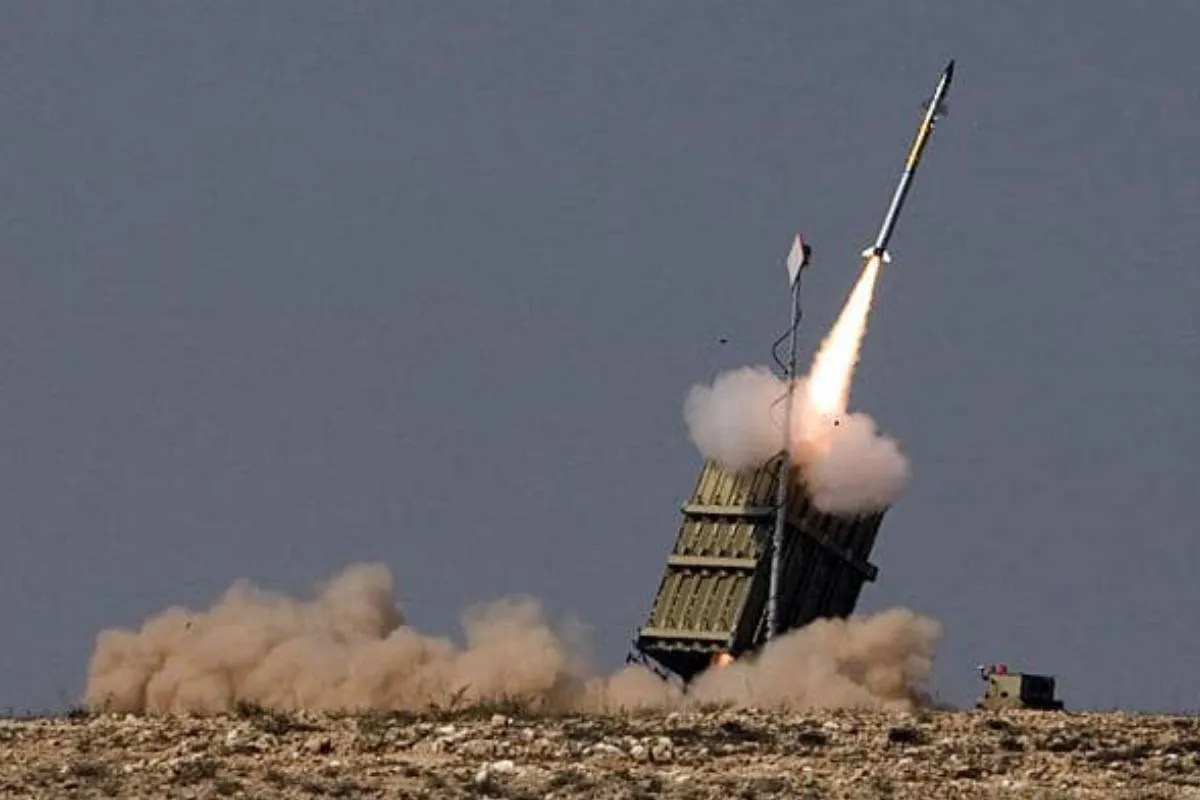
The sirens in Bahrain are particularly telling. Bahrain houses the U.S. Navy's 5th Fleet. An alert there indicates that the threat perception has moved beyond the immediate theater of war in the Levant and into the vital shipping lanes of the Persian Gulf. This is the "spillover effect" that diplomats fear most. When a missile is detected, the AI-driven response systems of the Aegis or Iron Dome don't wait for a political consultant to verify the ceasefire status. They engage. This creates a feedback loop of escalations where the machines are fighting a war that the politicians claim is over.
The Bahrain Connection
Why Bahrain? The small island nation sits at the heart of the world’s most volatile maritime chokepoints. For sirens to sound there, the trajectory of the detected objects must have suggested a path toward high-value infrastructure or naval assets. This implies that the groups launching these projectiles are aiming for a wider regional conflagration. They want to prove that no ceasefire is valid unless they are the ones who dictated the terms.
Military analysts often overlook the psychological weight of these sirens. For a population in Manama or Tel Aviv, the sound of an alarm is a failure of the state’s primary promise: security. Even if no impact occurs, the "terror of the alert" achieves the strategic goal of the attacker. It keeps the economy on edge, prevents the return of normal flight paths, and ensures that insurance premiums for shipping remain at wartime levels.
The Mirage of Controlled De-escalation
We are witnessing the death of the "controlled conflict." In the past, a ceasefire meant a hard stop because the weapons were manual and the actors were few. Today, the sheer volume of cheap, effective drone and missile technology means that any small faction with a few thousand dollars can shatter a multi-billion dollar peace agreement.
The "Red Sea to the Gulf" corridor is now a single, contiguous battleground. A launch from a mobile platform in Yemen or an underground silo in another territory can trigger alerts thousands of miles away. This interconnectedness is a double-edged sword. While it allows for a "regional shield," it also ensures that a spark in one corner of the map sets off the alarms in another.
Broken Command Chains
The investigative trail often leads back to the lack of "hotlines" between the actual combatants on the ground. While high-level officials meet in neutral capitals, the commanders of the missile batteries often have no direct way to confirm a ceasefire. They rely on public news broadcasts or encrypted messages that can be intercepted or delayed. In that window of uncertainty, the default move is to fire.
If a battery commander sees a drone on their radar that shouldn't be there, they don't have ten minutes to check if it's a surveillance craft or a kamikaze unit. They have seconds. By firing, they trigger the opposition’s automated response, and the ceasefire becomes a footnote in history before the ink even dries.
The Financial Fallout of Permanent Instability
The markets hate ambiguity more than they hate war. When sirens sound after a ceasefire, it tells the global energy market that the supply chain is still at risk. This is why oil prices didn't see the expected "peace dividend" drop. The risk premium remains baked into the price because the "ceasefire" is perceived as a theatrical performance rather than a logistical reality.
- Insurance Costs: Maritime insurance for the Gulf remains at 200% of the baseline.
- Aviation Rerouting: Airlines are still avoiding the airspace, adding hours to flight times and burning millions in extra fuel.
- Foreign Investment: Capital is fleeing the region toward more stable "safe havens," even as local governments announce massive infrastructure projects.
The economic cost of a "siren-only" war is nearly as high as a hot war. It drains the treasury of every nation involved because they must keep their air defense systems at 100% readiness around the clock. An Iron Dome interceptor costs roughly $50,000. A Patriot missile can cost $4 million. The projectiles they are shooting down often cost less than $10,000. This is a war of attrition that the defenders are losing, regardless of whether a treaty is signed.
The Intelligence Gap
The failure to predict these post-ceasefire launches highlights a massive hole in Western and regional intelligence. Agencies have become too reliant on electronic signals and satellite imagery. They can see the missile launchers, but they cannot see the intent of the person with their finger on the button.
Human intelligence—actual boots on the ground or informants within these splinter groups—has been deprioritized in favor of high-tech surveillance. But satellites can't hear the whisper in a bunker that says, "Ignore the news, keep firing." Until intelligence communities can penetrate the decision-making process of the sub-state actors, these "surprises" will continue to happen every time a diplomat tries to end a war.
The Role of Electronic Warfare
There is also the very real possibility of "ghost launches." Electronic warfare (EW) suites can spoof radar systems into thinking a missile is in the air when there is nothing but a digital signature. This is a common tactic used to test the response times of air defenses. If an adversary wants to map the location of every active radar battery in Bahrain, they don't need to fire a real missile. They just need to trick the system into sounding the alarm.
The panic caused by these sirens serves a dual purpose. It exhausts the civilian population and it forces the military to reveal its hand. By analyzing which batteries activate and how quickly they track a "target," the adversary gains a blueprint of the defense network for future use.
Why the Current Peace Models are Obsolete
The 20th-century model of peace—State A talks to State B—is dead. We are in an era of "Fractional Warfare." You can reach an agreement with the head of a government, but that person may only control 60% of the armed elements within their borders. The remaining 40% are funded by outside interests, driven by different ideologies, or are simply acting out of a survivalist need to remain relevant.
To achieve a true ceasefire, a deal must be struck with every node in the network. This is functionally impossible. Therefore, the "ceasefire" should be viewed not as the end of conflict, but as a change in the frequency of violence. The sirens are the new normal. They are the background noise of a world where the hardware of war is cheaper and more accessible than the tools of diplomacy.
The immediate step for regional players isn't more talk; it's the establishment of a cross-border technical verification team. Without a neutral body that can instantly verify "ghost" signals versus real threats and communicate that to all command centers in real-time, the sirens will keep ringing. The sound of those alarms in Bahrain and Israel isn't just a warning of incoming fire—it's the sound of a system that has run out of time and ideas.
Governments must stop pretending that a signature ends a war. They need to prepare their populations for a state of "permanent readiness" where the line between peace and combat is so thin it can be erased by a single radar glitch or a rogue drone operator. The "ceasefire" is a political tool, but the missile is a physical reality. Until the two align, keep your shoes near the door and your eyes on the sky.