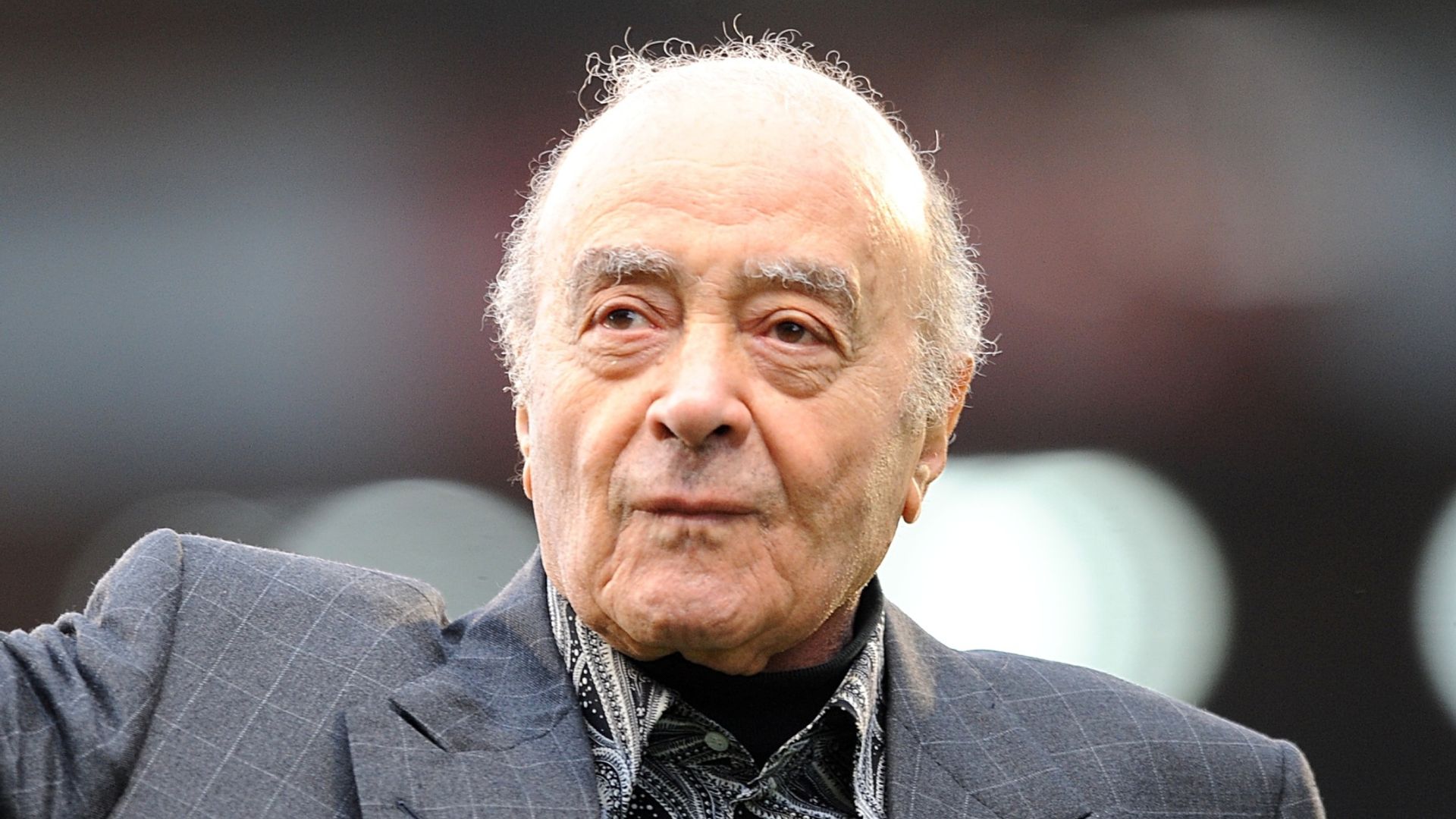
Power doesn't operate in a vacuum. It requires a tripod of silence, money, and active help to stay upright. For decades, Mohamed al Fayed allegedly sat atop that tripod, but the Metropolitan Police are finally kicking the legs out from under his legacy. On Friday, March 27, 2026, Scotland Yard confirmed that a man in his 60s was interviewed under caution regarding allegations of human trafficking and facilitating rape.
This isn't just a "historic abuse" case anymore. It's an investigation into a predatory machine. Fayed died in 2023 at the age of 94, escaping any chance of a courtroom reckoning, but his alleged accomplices are still very much around. The Met's latest move follows the questioning of three women—aged in their 40s, 50s, and 60s—earlier this month. They were grilled on suspicion of aiding and abetting rape, sexual assault, and trafficking for sexual exploitation.
Moving beyond the ghost of a predator
For years, the narrative focused on Fayed as a lone "monster." While that might be true, it's also a convenient story for those who worked for him. It's a lot easier to blame a dead man than to admit a luxury department store was being used as a hunting ground.
By questioning a fourth suspect this month, detectives are signaling that they're hunting for the "fixers." These are the people who allegedly recruited young women, organized the logistics of their travel, and ensured they were isolated enough to be exploited. To date, 154 victims have come forward. They aren't just describing random attacks; they're describing a system.
Why the trafficking angle changes everything
You might wonder why "human trafficking" is the charge being thrown around for a billionaire who owned Harrods and the Ritz. In the popular imagination, trafficking is something that happens in the shadows, involving shipping containers and back alleys. In reality, it's about the use of force, fraud, or coercion to exploit people.
Legal experts and survivor advocates have pushed for this specific lens. Under the Modern Slavery Act, trafficking doesn't require a border crossing; it requires a process of recruitment and transport for the purpose of exploitation. Lawyers representing the survivors, including firms like Leigh Day, have argued that the Fayed operation functioned exactly like a trafficking ring.
- Recruitment: Women were often lured with the promise of high-level careers at Harrods or as personal assistants.
- Coercion: Non-disclosure agreements (NDAs) and the threat of professional ruin were used as leashes.
- Logistics: Victims describe being flown between London, Paris, Saint-Tropez, and Monaco specifically to be placed in Fayed's proximity.
If you look at it that way, the HR departments and personal assistants weren't just doing their jobs. They were the logistical arm of a criminal enterprise.
The failure of the institutions
Honestly, it's a bit of a joke that it took this long. Between 1977 and 2014, over 400 offences were allegedly committed. Fayed was reported to the police at least 21 times while he was alive. He was never charged.
The Met is currently under fire for these past failures. They've had to refer themselves to the police watchdog because, frankly, they missed a giant predator hiding in plain sight for 40 years. Now, Operation Cornpoppy—the code name for this current investigation—is trying to salvage some semblance of justice.
Even Harrods has pivoted. The current Qatari owners have already set aside more than £60 million to settle claims. They've apologized, calling Fayed's actions those of an individual who was "intent on abusing his power." But for the survivors, an apology from a corporation doesn't mean much if the people who actually handed them over to Fayed are walking free.
What happens next for the suspects
The four suspects interviewed so far haven't been arrested. In the UK, being "interviewed under caution" means the police have grounds to suspect you've committed a crime, but they don't necessarily have enough evidence to charge you yet. It's a formal process where anything they say can be used against them in court.
Scotland Yard says more suspects have been identified. Expect more knocks on doors in the coming months. Detectives are currently wading through 50,000 pages of evidence and archival material. They aren't just looking for DNA; they're looking for the paper trail. They're looking for who signed the travel vouchers, who drafted the "hush money" contracts, and who told the victims to "just get through it."
Justice is a slow burn
If you're a survivor or someone following this closely, the lack of immediate arrests might feel frustrating. But building a trafficking case against the enablers of a billionaire is a legal nightmare. It requires proving intent and knowledge. The police have to show that these assistants and managers didn't just "suspect" something was wrong—they have to show they actively participated in the machinery of exploitation.
The Harrods compensation scheme is set to close on March 31, 2026. While the civil side of this might be winding down for some, the criminal side is just heating up. The goal now isn't just to remember what Fayed did, but to ensure that the "Epstein-style" infrastructure he built is fully exposed.
If you have information regarding the facilitation of these crimes, or if you were affected by the operations at Harrods or the Ritz during the Fayed era, you can still contact the Metropolitan Police or share information anonymously through Crimestoppers at 0800 555 111. The focus has shifted from the man in the grave to the people still in the boardroom.