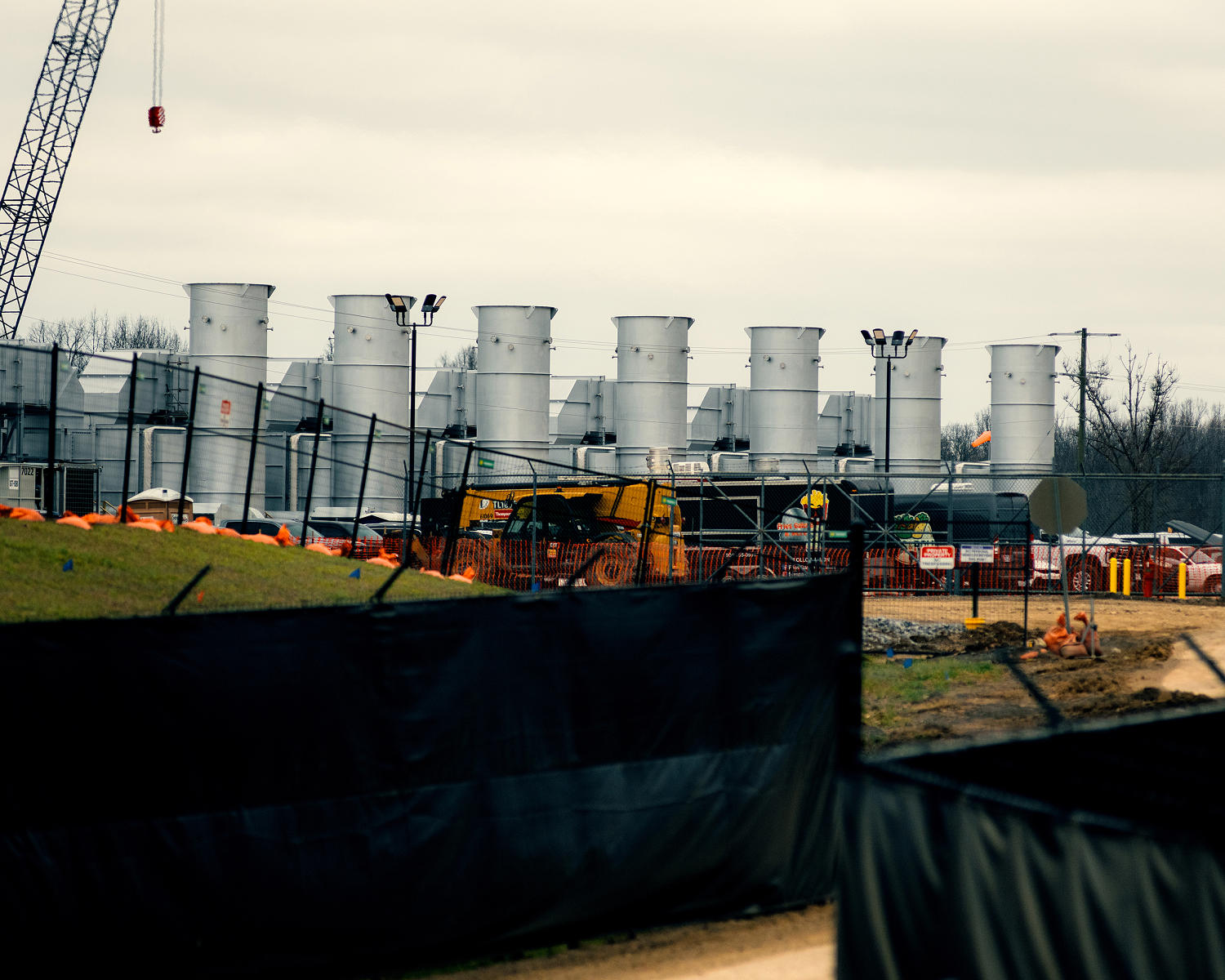
The era of the "invisible" data center is over. For two decades, these windowless concrete monoliths were welcomed into suburban office parks and rural stretches with open arms and massive tax breaks. They were viewed as clean, quiet neighbors that dumped millions into local tax coffers without putting a single student in the school system. That bargain has curdled. Across the United States, a rare and sudden wave of bipartisan hostility is rising in statehouses from Georgia to Oregon. Lawmakers who once competed to lure Big Tech are now scrambling to hit the brakes. The reason is simple and terrifying for the energy sector: the surge in power demand from artificial intelligence is threatening to outpace the physical limits of the American electrical grid.
This isn't just about a few noisy fans or eyesore architecture. It is a fundamental conflict over who gets to keep the lights on and at what cost. As utilities warn of potential brownouts and skyrocketing residential rates to pay for infrastructure upgrades, Republican and Democratic legislators are finding common ground in a shared fear of constituent backlash. They are no longer asking how to attract data centers; they are asking how to survive them.
The Death of the Easy Tax Win
For years, the political math behind data center development was foolproof. A developer would build a $1 billion facility, hire a few dozen high-paid technicians, and pay millions in property taxes. In return, states offered sales tax exemptions on the massive amounts of expensive equipment—servers and cooling systems—housed inside. It was a low-impact, high-revenue play.
That math broke when the scale changed. A decade ago, a "large" data center might consume 10 to 20 megawatts of power. Today, developers are proposing "gigawatt-scale" campuses. To put that in perspective, one gigawatt can power roughly 750,000 homes. When a single project asks for the equivalent of a mid-sized city’s worth of electricity, the local grid doesn't just feel the strain—it requires a complete overhaul.
In states like Virginia, the global heart of the internet, the sheer density of these facilities has forced a reckoning. Legislators who once rubber-stamped every expansion are now proposing bills to tie tax incentives to actual job creation or energy efficiency metrics. They realized too late that while the tax revenue is great, the cost of building new transmission lines and substations is often passed down to every other ratepayer in the state.
The AI Arms Race vs The Aging Wire
The current gold rush is driven by a shift from traditional cloud storage to generative artificial intelligence. Training a large language model requires an order of magnitude more power than hosting a website or storing emails. The chips involved, primarily high-end GPUs, run hot and they run constantly.
Utilities are caught in a pincer movement. On one side, they are being pushed by federal mandates and corporate ESG goals to retire coal and gas plants in favor of renewable energy. On the other, they are facing an unprecedented spike in demand that renewables—which are intermittent by nature—cannot yet handle alone.
This has created a bizarre political alignment. Conservative lawmakers are angry because the demand spike is forcing utilities to keep "dirty" coal plants online longer than planned to avoid blackouts. Liberal lawmakers are angry because the massive carbon footprint of these centers is threatening to blow past state climate goals. When the pro-coal caucus and the Green New Deal caucus both hate the same thing, the political weather changes fast.
The Ratepayer Rebellion
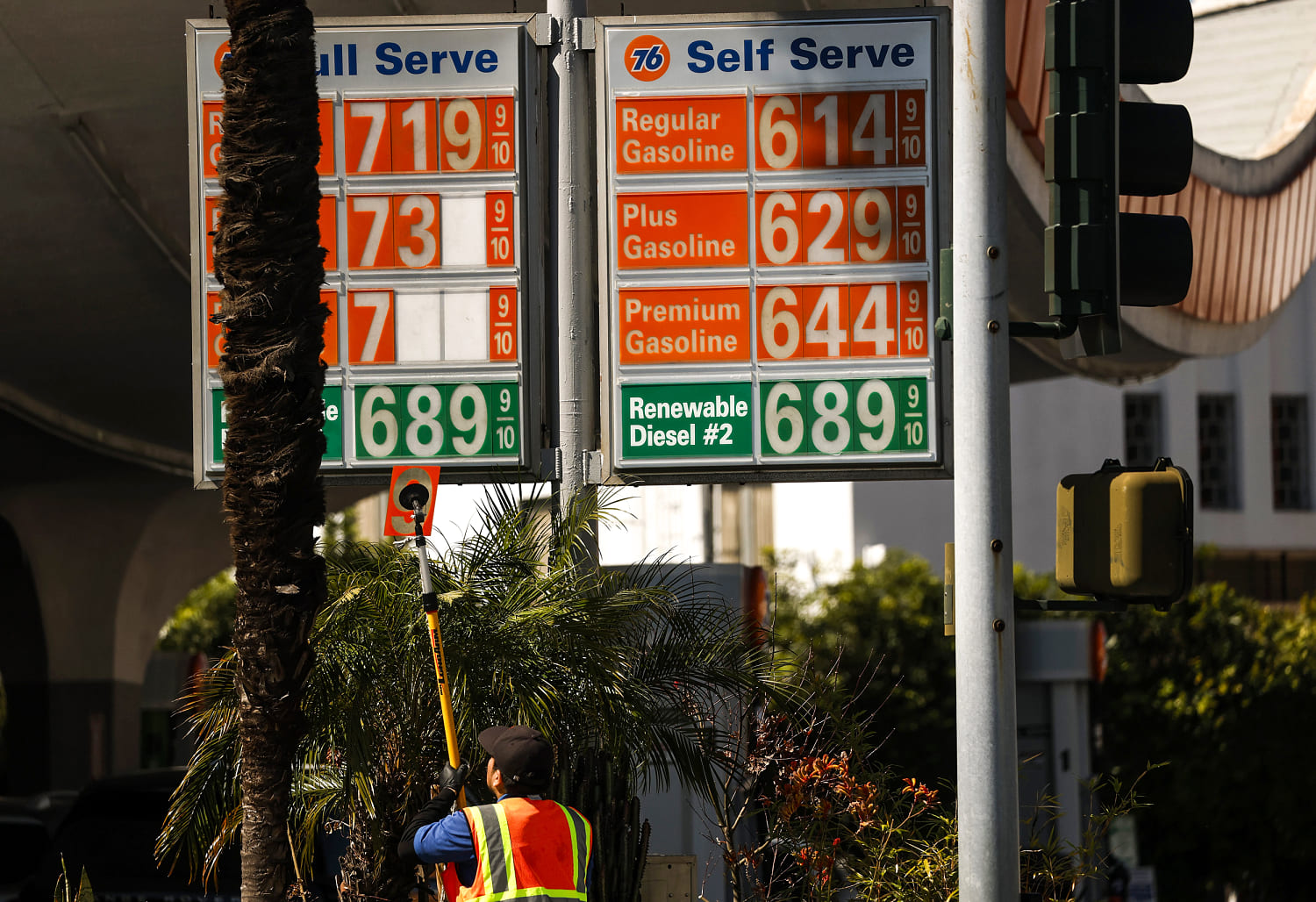
The most potent weapon in this fight isn't environmental data; it’s the monthly electric bill. In Georgia, the state’s Public Service Commission recently approved a massive expansion of fossil fuel power generation specifically to meet the needs of data centers and industrial growth. The backlash was immediate.
Residential customers are beginning to understand a painful reality: if a utility spends $5 billion on new high-voltage transmission lines to serve a tech giant’s campus, the utility is legally allowed to recover those costs from its entire customer base. This is effectively a wealth transfer from the average homeowner to some of the wealthiest corporations in human history.
Legislators are hearing about this at town halls. They are seeing it in primary challenge ads. The "bipartisan" nature of the current crackdown is less about a shared philosophy and more about a shared instinct for political survival. No politician wants to explain to a grandmother on a fixed income why her bill went up 20% so a trillion-dollar company could train a chatbot to write poetry.
Subsidizing Our Own Obsolescence
There is a growing "wait a minute" moment happening in state finance committees regarding the long-term value of these deals. The original pitch was that data centers would anchor "tech hubs." The reality has been different. Once the construction crews leave, a data center is essentially a very expensive, very hot warehouse that employs about 50 people.
States like South Carolina and Maryland are now looking at the "opportunity cost" of power. If a data center gobbles up the available "headroom" on a local substation, that power is no longer available for a manufacturing plant that might employ 2,000 people. By subsidizing data centers with tax breaks, states are essentially paying to limit their own future industrial growth.
The Legislative Counterattack
What does "reining in" actually look like in practice? We are seeing three distinct tiers of legislative interference:
- Moratoriums: Local municipalities are simply saying "no more" until a full audit of water and power usage is completed.
- Incentive Clawbacks: Bills that require a minimum number of permanent, high-paying jobs before a single cent of tax credit is issued.
- Grid Protections: New regulations that force data center operators to build their own "behind-the-meter" power generation, such as small modular reactors or massive battery arrays, rather than sucking from the public trough.
The Water Conflict
While power gets the headlines, water is the quiet crisis. Data centers require millions of gallons a day for evaporative cooling. In drought-stricken states like Arizona, this has become a flashpoint for local activists. It is one thing to use power that can be generated elsewhere; it is another to deplete a local aquifer to keep a server rack from melting.
We are seeing a shift toward "closed-loop" cooling and liquid-to-chip cooling, but these technologies are expensive. Until now, there was no reason for Big Tech to spend the extra money because water was cheap and regulation was nonexistent. That era is ending as statehouses begin to treat data center water usage with the same scrutiny usually reserved for heavy chemical manufacturing.
The Illusion of the Green Data Center
Most major tech firms claim to be "100% renewable," but this is largely an accounting trick involving Renewable Energy Credits (RECs). A data center pulls power from the grid 24/7. When the sun isn't shining and the wind isn't blowing, they are running on whatever the grid is providing—usually gas, coal, or nuclear.
By purchasing credits from a wind farm three states away, they claim "net zero," but the physical reality at the local substation is much grimmer. State regulators are starting to see through the spreadsheet magic. They are beginning to demand "24/7 carbon-free energy," meaning the data center must prove it is using clean power every hour of every day. This is a much higher bar, and it’s one that many projects simply cannot meet without massive investment in long-duration storage.
A New Tier of Corporate Citizenship
The companies that will survive this legislative pivot are those that stop acting like vacuum cleaners for resources and start acting like partners in infrastructure. This means investing in "grid-edge" technology that can actually help stabilize the system. For example, some facilities are experimenting with using their massive backup battery arrays to feed power back into the grid during peak demand events.
However, the days of the "blank check" are over. Whether it's a deep-red state protecting its coal industry or a deep-blue state protecting its climate roadmap, the consensus is hardening: the data center industry must pay its own way.
The tension will only tighten as the AI race accelerates. Silicon Valley is moving at the speed of software, but the electrical grid moves at the speed of concrete, copper, and environmental impact statements. You cannot "move fast and break things" when the thing you are breaking is the lifeblood of the modern economy.
State legislators have finally realized that they hold the ultimate leverage. Big Tech can move its headquarters, it can move its capital, and it can move its talent. But it cannot move the physical reality of a high-voltage wire. The power sits in the statehouse now, and the bill is finally coming due.
Stop looking at these bills as isolated "tech" regulations. They are the first shots in a long-term war over the sovereignty of local resources in a world that is trying to digitize everything while the physical foundation of that world is already at its breaking point.