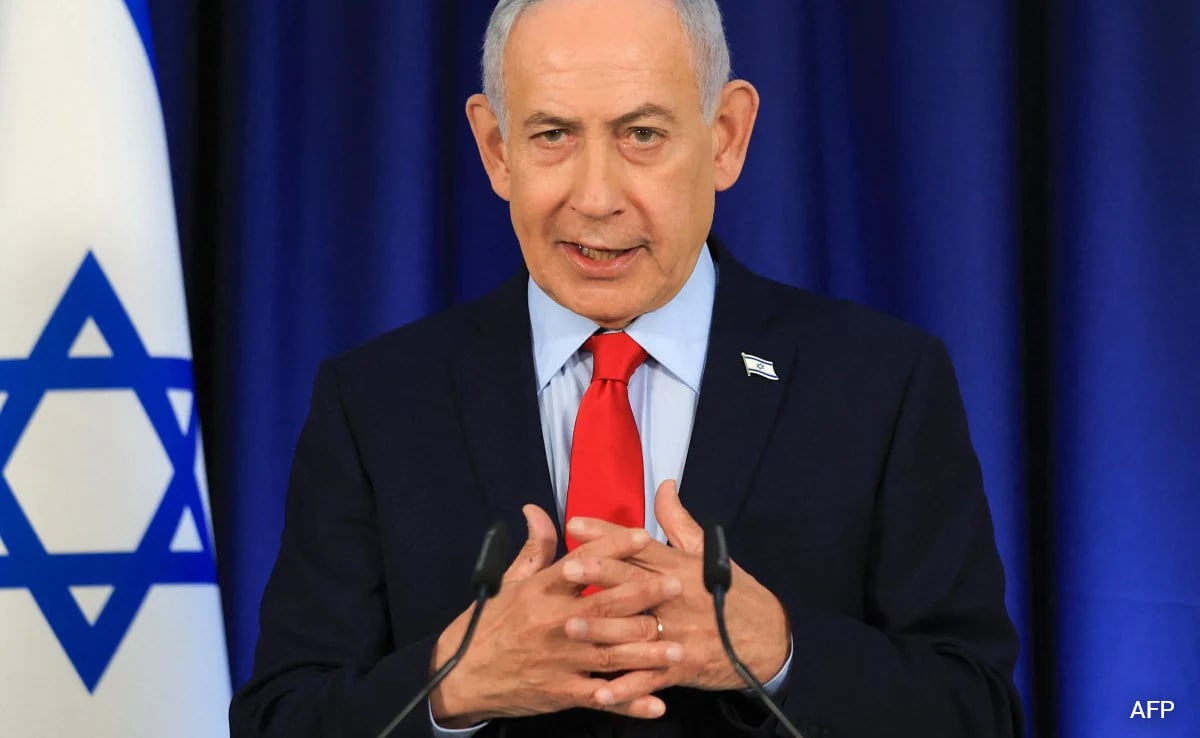
The phone lines between Jerusalem and Mar-a-Lago are buzzing again. Benjamin Netanyahu isn't just making polite conversation. He’s signaling a massive shift in how Israel plans to handle its borders, its enemies, and its most important ally. If you think this is just standard diplomatic signaling, you’re missing the bigger picture.
For months, the relationship between the Biden administration and Netanyahu’s government felt like a slow-motion car crash. There were public spats over humanitarian aid, red lines in Rafah, and the hovering shadow of a grand bargain with Saudi Arabia that seemed perpetually out of reach. Now, the vibe has shifted. Netanyahu is leaning into his relationship with Donald Trump, and he’s doing it with a level of confidence that suggests he knows exactly what’s coming next.
The Security Reality Behind the Headlines
Netanyahu isn't just talking about friendship. He’s talking about survival. When he says he will protect Israel’s interests, he’s referencing a very specific set of problems that haven't gone away despite a year of intense warfare.
The core of the issue is Iran. Whether it’s the "ring of fire" created by proxies like Hezbollah and the Houthis or the direct threat of Tehran’s nuclear ambitions, Israel feels it’s fighting an existential battle. During his first term, Trump’s "maximum pressure" campaign was the gold standard for Netanyahu’s strategy. By reconnecting now, Netanyahu is essentially betting that the era of American restraint is over.
You have to look at the timing. This isn't just about the 2024 or 2028 election cycles. It’s about the immediate tactical needs on the ground. Israel is currently managing multiple fronts. It needs a green light to do what it deems necessary in Lebanon and Gaza without the constant public finger-wagging from Washington. Netanyahu believes Trump provides that green light.
Why the Interests Quote Actually Matters
Politicians love vague phrases. "Protecting interests" usually sounds like filler. In this context, it’s a coded message to both his domestic base and his regional rivals.
Domestically, Netanyahu is under immense pressure. The hostage families want a deal. The hard-right wing of his coalition wants annexation. By highlighting his direct line to Trump, Netanyahu is telling his critics that he’s the only leader capable of managing the Americans. He’s saying, "I can talk to the guy who moved the embassy to Jerusalem and recognized the Golan Heights." It’s a power move.
Regionally, it’s a warning. To Iran and its allies, a Netanyahu-Trump alliance represents a much more unpredictable and aggressive American stance. The Abraham Accords were the crowning achievement of the last Trump-Netanyahu era. By bringing that back into the conversation, Netanyahu is reminding the Arab world that there’s a path to peace that doesn't necessarily go through the traditional Palestinian statehood route.
Breaking Down the Strategic Alignment
It’s easy to forget how much the map changed between 2016 and 2020. We saw the relocation of the U.S. Embassy to Jerusalem. We saw the U.S. pull out of the Iran nuclear deal (JCPOA). These weren't just symbolic tweaks; they were structural changes to Middle Eastern geopolitics.
Netanyahu’s recent comments suggest he wants to pick up right where they left off. He isn't interested in the "two-state solution" rhetoric that defines the current State Department's vocabulary. He’s looking for "peace through strength," a phrase both he and Trump use frequently. It means a Middle East where Israel is the dominant military power, backed by an American administration that doesn't ask too many questions about how that power is used.
The Friction That Nobody Mentions
Don't assume it’s all sunshine and roses. Trump and Netanyahu have had their share of drama. After the 2020 election, the relationship cooled significantly. Trump felt slighted when Netanyahu congratulated Joe Biden.
However, in politics, grudges are usually secondary to goals. Both men are pragmatists when it comes to power. Netanyahu needs the U.S. to stay committed to Israel's qualitative military edge (QME). He needs the flow of munitions to continue. Most importantly, he needs a diplomatic shield at the UN Security Council.
The "vow to protect interests" is also a subtle dig at the current administration. It implies that the interests weren't being protected—or at least weren't being prioritized—under the current status quo. It’s a bold stance to take while still receiving billions in military aid, but Netanyahu has never been one to shy away from friction if it serves his long-term narrative.
What This Means for the Region in 2026
We are looking at a potential return to a "binary" Middle East. Instead of the nuanced, often messy diplomacy of the last few years, we might see a hard line drawn in the sand. On one side, the U.S.-Israel-Sunni Arab bloc. On the other, the Iranian axis.
This shift has massive implications for:
- The War in Lebanon: A more aggressive stance toward Hezbollah with less U.S. pressure for a ceasefire.
- Gaza's Future: A potential move toward long-term Israeli security control rather than a transition to Palestinian Authority rule.
- The Saudi Deal: A push to finalize normalization without the strict concessions on Palestinian sovereignty that the current U.S. administration demands.
Netanyahu is gambling that the American public is tired of "forever wars" but still supports a strong Israel. He’s betting that a Trump-aligned foreign policy will focus on quick, decisive outcomes rather than prolonged diplomatic processes.
The Immediate Practical Impact
If you're watching the markets or the military movements in the North, pay attention to the rhetoric. When Netanyahu speaks about these calls, he’s setting the stage for his next budget request and his next military objective. He’s signaling to his generals that the political "top cover" is changing.
Israel’s defense industry and its military strategy are deeply intertwined with U.S. policy. If Netanyahu feels he has a more sympathetic ear in the U.S., expect him to take bigger risks. That could mean more strikes on sensitive targets or a more permanent footprint in areas previously considered negotiable.
Moving Beyond the Soundbite
Stop looking at these headlines as isolated events. They are part of a coordinated effort to reshape the narrative of the war. Netanyahu wants the world to see him as a leader who isn't just reacting to crises but is actively building the alliances that will define the next decade.
The next step is to watch for specific policy shifts regarding Iran’s nuclear program. That’s the real endgame. Netanyahu has spent his entire career warning about a nuclear-armed Iran. If he believes he has a partner in Trump who is willing to take "all options on the table" seriously, the regional calculus changes overnight.
Keep your eyes on the upcoming diplomatic visits and the language used in joint statements. The shift from "de-escalation" to "victory" isn't just a change in wording; it’s a change in the rules of engagement. Netanyahu is clearly ready to play by those new rules.