While most people spent their weekend doomscrolling through the same three viral clips, some massive shifts just happened in the real world. You probably missed them because the loudest headlines aren't always the most important ones. From a sudden health crisis in the highest court to a quiet collapse in regional diplomacy, the map of the next few months just changed.
I'm not talking about whatever celebrity is "winning" a breakup today. I'm talking about the stuff that actually moves the needle on your taxes, your safety, and the stability of the global economy.
High Court Health Scares and Political Ripples
Justice Samuel Alito’s recent medical episode in Philadelphia didn't just rattle his colleagues; it sent a shockwave through the political machine in Washington. He was reportedly taken to a hospital after falling ill at a Federalist Society dinner. While the official word from the Supreme Court is that it was just "dehydration," the timing is a nightmare for a divided country.
People are already speculating about what a vacancy would do to the court's balance. You don't have to be a legal scholar to see that another appointment battle would turn an already toxic election year into a full-blown circus. It's a reminder that the entire direction of American law often hangs on the physical stamina of a handful of people in their 70s.
The Ceasefire That Never Was
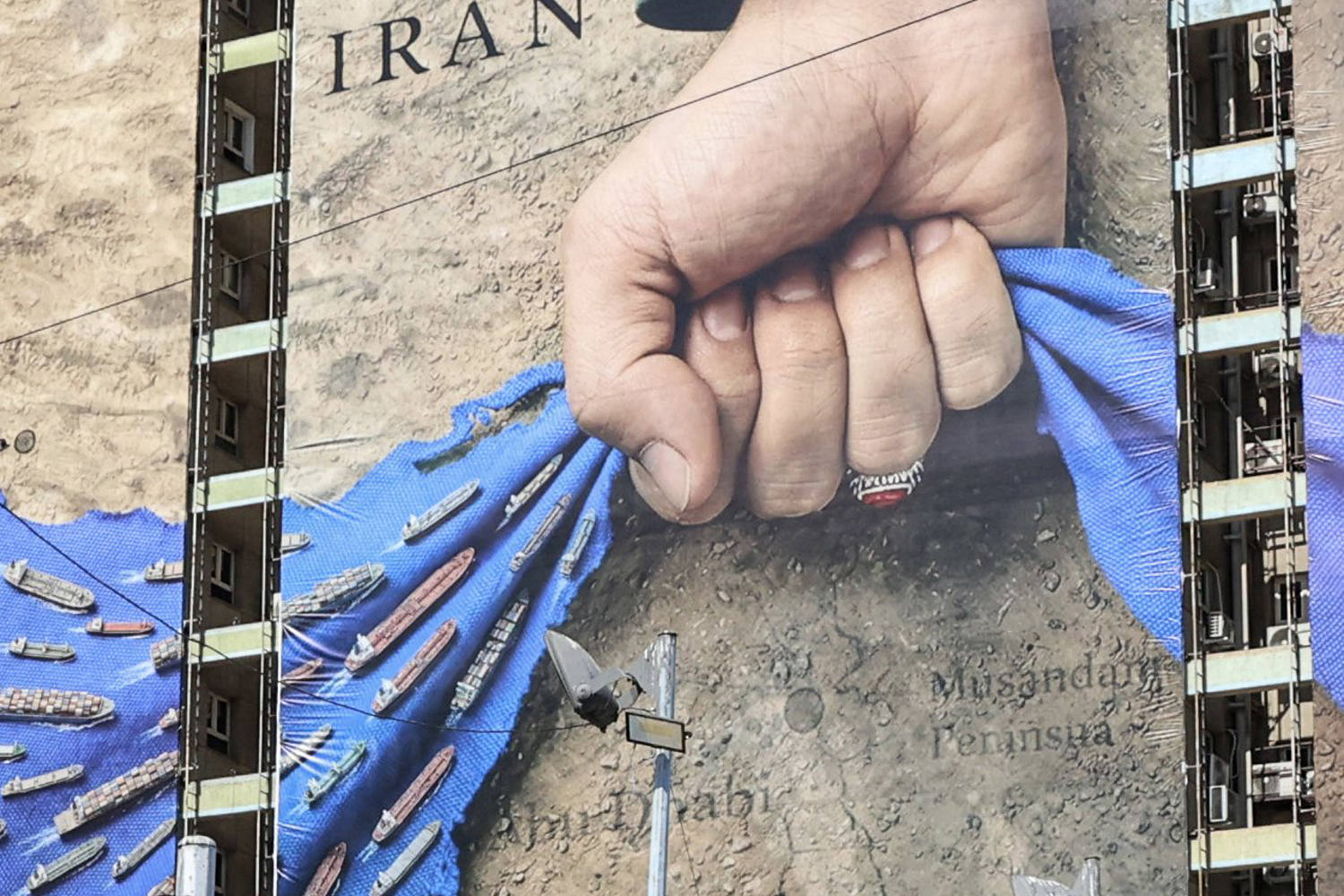
If you were hoping for a quick resolution to the rising friction between the U.S. and Iran, the news out of the Middle East this weekend was a cold bucket of water. Regional mediation efforts have reportedly hit a dead end. This comes on the heels of reports that Iranian forces allegedly targeted U.S. aircraft, including an F-15 and an A-10, over the Gulf and the Strait of Hormuz.
This isn't just "saber-rattling." When mediation stops, the risk of a "hot" conflict goes up exponentially. For you, this usually shows up at the gas pump or in your retirement account first. The Strait of Hormuz is a choke point for global oil. If things get messier there, "inflation" is going to be the only word you hear for the rest of the year.
A Legacy of Grief in Nova Scotia
Six years have passed since the worst mass shooting in modern Canadian history, and the wounds in Nova Scotia are clearly still wide open. This weekend, the province lowered its flags to honor the 22 people lost in the 2020 attacks.
It's easy to look at these anniversaries as simple moments of silence, but there's a practical side to this grief. The Canadian government is still under massive pressure to actually finish the 100+ recommendations from the Mass Casualty Commission. It's a case study in how slow institutional change moves, even when the tragedy is this immense. If you live in a community pushing for police reform or better mental health alerts, watch how this unfolds. It’s the blueprint—for better or worse.
Africa Is Not Just a Sideline Story
While the U.S. and China usually suck the air out of the room, some of the most important economic moves of the weekend happened during the IMF and World Bank spring meetings. Leaders from the African Union were in Washington pushing for a massive shift in how the U.S. private sector invests in the continent.
We're talking about the African Continental Free Trade Area (AfCFTA). It’s basically an attempt to turn the entire continent into one giant trade zone. If they pull this off, the supply chains for your tech and your energy are going to look very different by 2030. Most people ignore African economics until there’s a crisis, but the real money is watching these trade talks right now.
Why Science Is Having a PR Crisis
Last week was World Health Day, and the theme "Stand with Science" has carried into this weekend with a lot of baggage. The World Health Organization (WHO) is currently trying to rebuild trust after years of politicized health debates. They’re pushing a "One Health" approach, which basically says we can’t treat human health, animal health, and the environment as separate silos.
The problem? Trust in scientific institutions is at a generational low. This weekend’s discussions in Lyon, France, weren’t just about vaccines or viruses; they were about how to talk to a public that’s increasingly skeptical of "experts." If the next pandemic hits and nobody listens to the guidance, the policy won't matter.
The AI Bubble Is Looking Tense
If you work in a "knowledge job," you should probably pay attention to the data coming out about entry-level wages. Since the AI boom really took hold, starting salaries in AI-exposed industries have dropped by an average of 4.5%. For junior roles, that drop is even steeper at 6.3%.
The dream was that AI would make us all "super-productive" and lead to raises. The reality starting to emerge this weekend is that companies are using these tools to justify paying new hires less because the "barrier to entry" is lower. It’s a shift from AI being a tool you use to AI being a tool that replaces the need for your specific expertise. Don't wait for your boss to tell you this; start looking at how you can do the things the bots still suck at, like complex negotiation and high-stakes empathy.
Get Ahead of the Curve
Stop waiting for the evening news to tell you what happened three days ago. If you want to actually be prepared for the coming months, do these three things today.
First, check your energy-related investments. The breakdown in Iran-U.S. talks is a massive red flag for market volatility. Second, if you're in a hiring or job-seeking position, look at how your industry is pricing "AI-assisted" work. The wage drop is real, and it’s spreading. Finally, keep an eye on the Supreme Court's schedule. Any change in Justice Alito’s status will trigger a political earthquake that will drown out everything else in the news cycle.