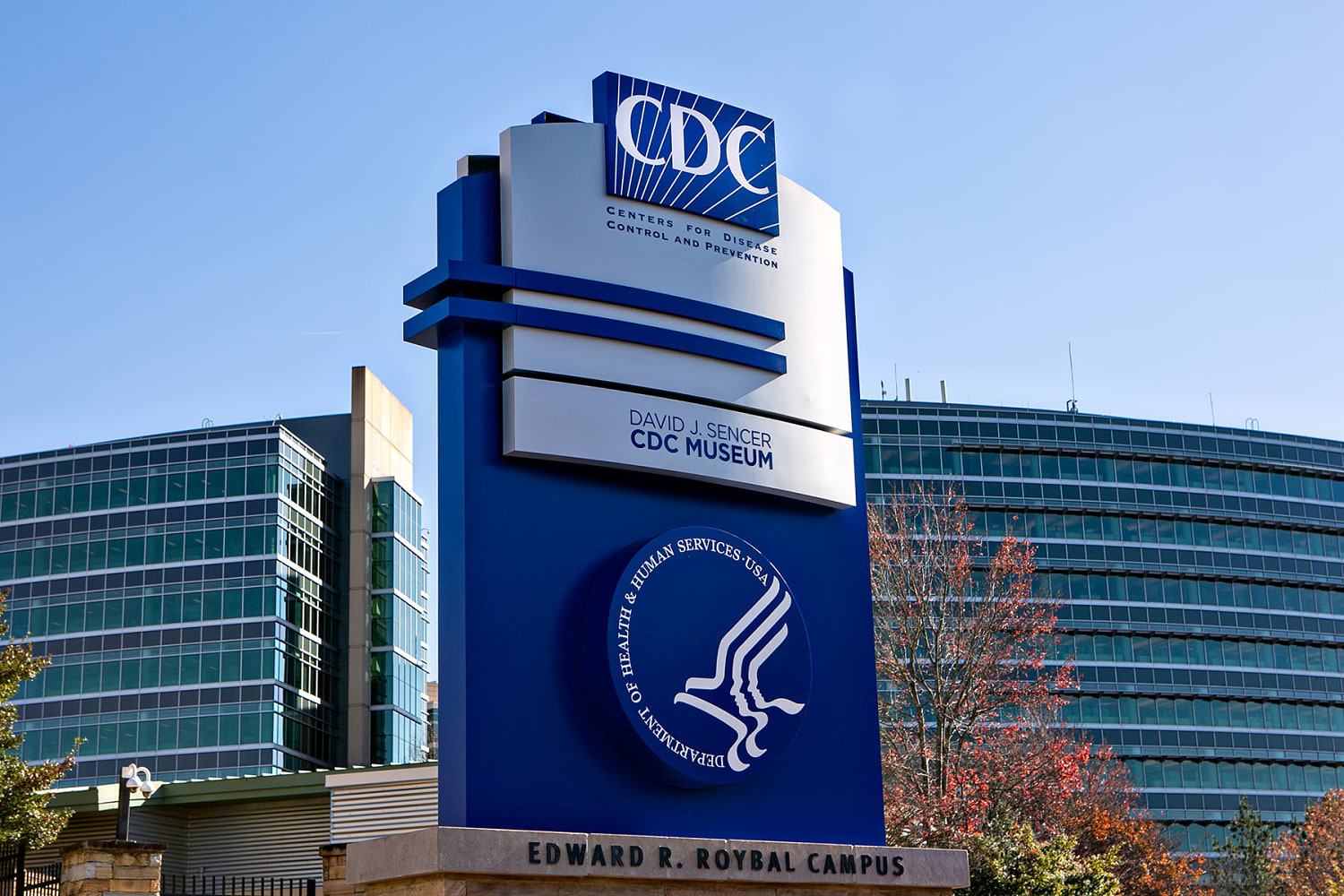
Public health is currently standing at a jagged crossroad and the person Donald Trump picks to lead the Centers for Disease Control and Prevention (CDC) will determine if we move toward scientific recovery or a complete PR meltdown. The rumor mill is churning. Names are flying. But the chatter from the medical community is consistent and loud. They don’t want a polished performer. They want someone who understands how a virus actually moves through a community.
Picking a CDC head isn't like casting a reality show. It’s a high-stakes hire for a role that oversees a $17 billion budget and 10,000 employees. If the agency stays on its current path of damaged credibility, the next pandemic won't just be a health crisis. It'll be a total societal breakdown because nobody will believe a word coming out of Atlanta. For an alternative view, consider: this related article.
The Dangerous Allure of the Television Doctor
We’ve seen this movie before. A charismatic figure appears on a cable news split-screen, speaks in catchy soundbites, and suddenly they're a "public health expert." The problem is that being good on camera is a completely different skill set than managing a massive federal bureaucracy or interpreting raw epidemiological data.
Health experts are sounding the alarm for a reason. Dr. Jerome Adams, the former Surgeon General, has been vocal about the need for someone who can actually navigate the internal mechanics of the CDC. You can't just tweet your way through a bird flu outbreak. You need to know how to coordinate with state labs, manage the Strategic National Stockpile, and maintain relationships with international health partners. Related insight on this trend has been provided by Everyday Health.
A "TV personality" brings baggage. They often have a brand to protect. In public health, the data is messy. It changes. Sometimes you have to admit you were wrong. A media-first candidate might struggle with that transparency if it hurts their "character" or their ratings. We need a nerd. We need someone who gets excited about wastewater surveillance and genomic sequencing, not someone who’s worried about their lighting.
Why Technical Expertise Is Non-Negotiable Right Now
The CDC is struggling. Morale is low. Since the height of the COVID-19 pandemic, the agency has been caught in a political tug-of-war that has left its scientists feeling sidelined and the public feeling skeptical. Trust is at an all-time low. According to a 2023 survey from the Pew Research Center, only about half of Americans say public health officials have done a good job responding to the coronavirus.
To fix this, the new director has to be a heavyweight in the field.
- Epidemiology matters. Understanding the $R_0$ (basic reproduction number) of a disease isn't just a math exercise; it’s the foundation of every policy decision.
- Operational experience is key. Managing the CDC is like running a global logistics company. It’s about getting vaccines to rural clinics and testing kits to border crossings.
- Scientific integrity is the only currency left. If the new head is seen as a political operative or a media mouthpiece, the remaining top-tier scientists at the CDC will start eyeing the exits.
If Trump picks a firebrand, he might win a news cycle, but he’ll lose the agency. We’ve already seen what happens when guidance feels like it was written by a PR team instead of a group of doctors. The messaging becomes muddled. People stop listening. Then, people get sick.
The Bird Flu Factor
This isn't just a theoretical debate about "who’s the best fit." There’s a looming threat in H5N1, also known as bird flu. It’s jumping to mammals. It’s showing up in dairy cows. If this virus makes the leap to efficient human-to-human transmission, we won't have time for a learning curve.
A director with deep ties to the agricultural and veterinary sectors—a "One Health" approach—would be an inspired choice. But if we have someone in the top spot who thinks their primary job is to win an argument on a Sunday morning talk show, we are in deep trouble. H5N1 doesn't care about your Twitter followers.
Restoring the Agency Without Burning It Down
There is a legitimate argument for reform. The CDC is too slow. It is too academic. During the early days of COVID, while the private sector was moving at light speed, the CDC was still arguing over the wording of its website.
The next leader shouldn't just be a status quo pick. They need to be a "disruptor" in the true sense—someone who can cut through the red tape and make the agency move faster. But there’s a massive difference between a reformer and a performer.
One name that has circulated in conservative circles is Dr. Jay Bhattacharya from Stanford. While he’s been a lightning rod for his views on lockdowns, he is an actual scientist with deep academic roots. Whether you agree with him or not, he brings a data-driven perspective that a TV doctor simply lacks. Others point toward state-level health directors who have spent years in the trenches of local government. These are the people who know what it’s like to try and run a vaccination clinic in a parking lot when the power goes out.
The Experts Are Right to Be Nervous
When an expert says "we don't need a TV personality," they aren't just being elitist. They're being practical. The CDC is an engine. If you put a driver in the seat who knows how to pose for the car's brochure but doesn't know how to change the oil, the car is going to stall on the highway.
The American public is exhausted by the politicization of medicine. We want clear, boring, accurate information. We want to know if the milk is safe to drink and if we should be worried about the latest variant. We don't want a "performance."
The next director has a choice. They can be a celebrity, or they can be a leader. They can't be both. The transition team needs to look past the screen tests and start looking at the resumes of people who have actually managed a crisis without a teleprompter.
If you want to stay ahead of these appointments, start looking at the career histories of the short-listed candidates. Look for publications in the New England Journal of Medicine or the Lancet. Check if they’ve ever run a state health department. If their primary credential is a high "Q Score" or a recurring segment on a major network, they aren't the person for the job. Reach out to your local representatives and demand that the confirmation process focuses on technical competence rather than political loyalty. The health of the country depends on someone who knows the science, not someone who knows how to find the camera.