The sound of a heavy impact on a quiet street is unlike any other noise in the human catalog. It is not the tinny crunch of a soda can or the rhythmic thud of a hammer. It is a wet, heavy, final sound. It is the sound of physics violently reasserting itself over biology.
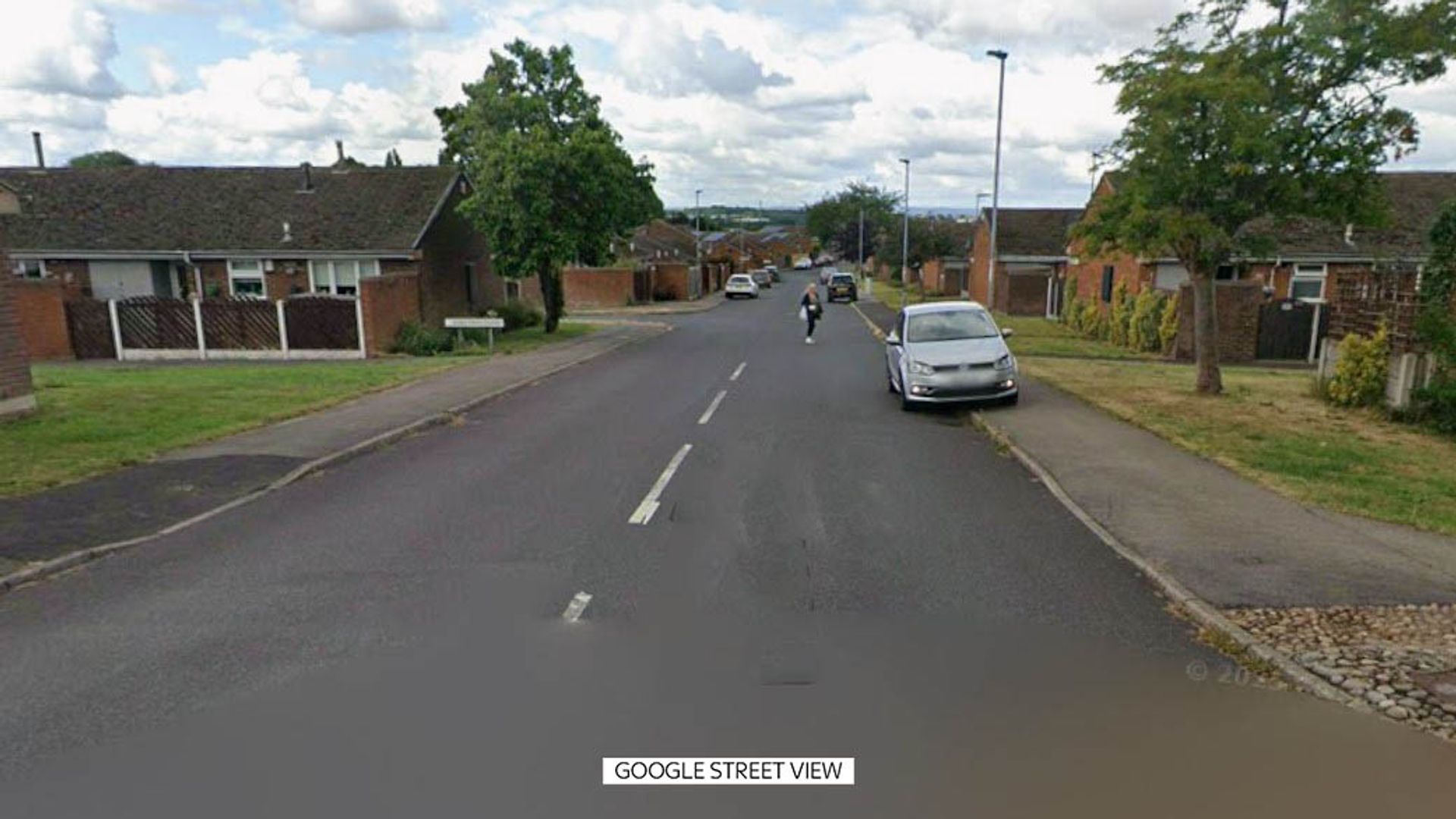
On a Tuesday evening that should have been defined by the mundane rituals of making tea or scrolling through headlines, a neighborhood in the heart of the city became a crime scene. A pedestrian was walking. A vehicle was moving. Then, in a splintered second, the pedestrian was no longer walking, and the vehicle became a weapon. This is the story of what remains when the sirens fade and the blue lights stop bouncing off the brickwork.
The Physics of a Moment
We often treat driving as a passive activity, a transition between point A and point B. We forget that we are piloting two tons of steel and glass at speeds the human body was never designed to withstand. When that steel meets a person, the narrative of a life is instantly rewritten.
Witnesses spoke of the silence that followed. It’s a common phenomenon in trauma—a vacuum where the world seems to hold its breath. In this specific case, the aftermath wasn't just a medical emergency; it was a criminal inquiry. The police didn't just see an accident. They saw a puzzle with missing pieces. Within hours, two people were in handcuffs, arrested on suspicion of murder.
Murder.
That word changes the temperature of a room. It shifts the event from a tragic "collision" into something calculated, or at least, something born of a reckless disregard that the law deems homicidal. To be arrested on suspicion of murder after a car hit a person suggests a darker undercurrent than a simple distracted driver or a slick road. It suggests intent, or perhaps a history, or a choice made in the heat of a chase.
The Ghost in the Roadway
Imagine—and this is a hypothetical visualization of the stakes involved—a man named Elias. Elias is sixty-four. He knows which floorboards in his hallway creak. He knows exactly how long it takes to walk to the corner shop for a pint of milk. He is a creature of habit. When he steps off the curb, he is operating on a lifetime of muscle memory. He trusts the world to keep spinning as it always has.
Then there is the driver. Let’s call them the "Shadow." The Shadow is in a hurry. Maybe they are angry. Maybe they are fleeing. The car isn't a tool for them in this moment; it is an extension of their adrenaline.
When the Shadow’s bumper meets Elias, the intersection of these two lives creates a permanent scar on the geography of the neighborhood. For the next week, people will slow down when they drive past that patch of asphalt. They will look for the chalk marks. They will look for the faded stains. They will feel a prickle of electricity on their skin, a reminder of their own mortality.
But for the two people taken into custody, the story is just beginning. Being arrested on suspicion of murder in a vehicular case often points to "depraved indifference" or "premeditated use of a vehicle." It implies that the car was used as a mallet, not a transit device.
Why We Look Away
We hate reading about these things because they are too close to home. We all walk. We all drive. The thin line between a "good day" and a "life-shattering headline" is often just three inches of steering wheel movement or a half-second delay in braking.
The standard news reports give you the "what." They tell you the age of the victim, the time of the arrest, and the name of the police station where the suspects are being held. But they don't tell you about the dinner left cold on a table. They don't tell you about the text message that will never be marked as "read."
The real weight of this event lies in the invisible stakes. It lies in the loss of safety for every neighbor who now looks twice before crossing a one-way street. It lies in the specialized investigators who spend their nights measuring skid marks with lasers, trying to translate the language of rubber and friction into a testimony that can hold up in a courtroom.
The Mechanics of Suspicion
Why murder and not manslaughter? Why not "causing death by dangerous driving"?
The distinction is where the human drama tightens. In legal systems across the globe, a murder charge in a collision usually stems from evidence of a prior relationship between the parties, or a secondary crime being committed—like a getaway from a robbery. It implies that the death wasn't a side effect; it was the point, or at least a consequence the driver was perfectly happy to accept.
When the police announce an arrest of this magnitude, they are signaling to the community that this wasn't a "wrong place, wrong time" scenario. They are saying that someone made a choice.
Consider the ripple effect of that choice. It isn't just one life lost. It is the family of the victim, now thrust into a world of grief and legal jargon. It is the families of the two people arrested, who are now grappling with the reality that their loved ones might be defined as killers. It is the responding officers who have to scrub the scent of burnt rubber and copper from their memories before they go home to hug their own children.
The Fragility of the Grid
Our cities are designed around the assumption of cooperation. We agree to stop at red lights. We agree to stay in our lanes. We agree that the sidewalk belongs to the feet and the road belongs to the wheels. It is a fragile, unspoken contract that allows millions of us to occupy the same space without constant carnage.
When someone breaks that contract with the violence of a murder-collision, they don't just kill a person; they damage the social fabric. They remind us that the two-ton steel boxes we use to get to work are, in the wrong hands, engines of absolute destruction.
We often see these headlines and think of them as "random." We want them to be random. If they are random, we can tell ourselves we’ll be luckier. But the word "arrest" brings a cold comfort. It suggests that there is a "why." It suggests that the chaos has a name and a face.
The investigation will continue. There will be forensics, cell tower pings, and CCTV footage from the shop on the corner. The lawyers will argue about intent and velocity. The two people in the cells will wait for their day in court, watching the clock tick in the heavy silence of a remand center.
But the street is already different.
The next time you walk near a busy road, you might find yourself noticing the speed of the passing cars a little more acutely. You might wait an extra beat before stepping out. You might look at the driver in the lane next to you and wonder what they are thinking, what they are fleeing, or what they are capable of.
That lingering doubt is the true legacy of a night like this. It is the ghost that haunts the asphalt long after the police tape has been torn down and the glass has been swept into the gutter.
The city moves on, but it moves a little more cautiously, looking over its shoulder at the place where the silence was broken.