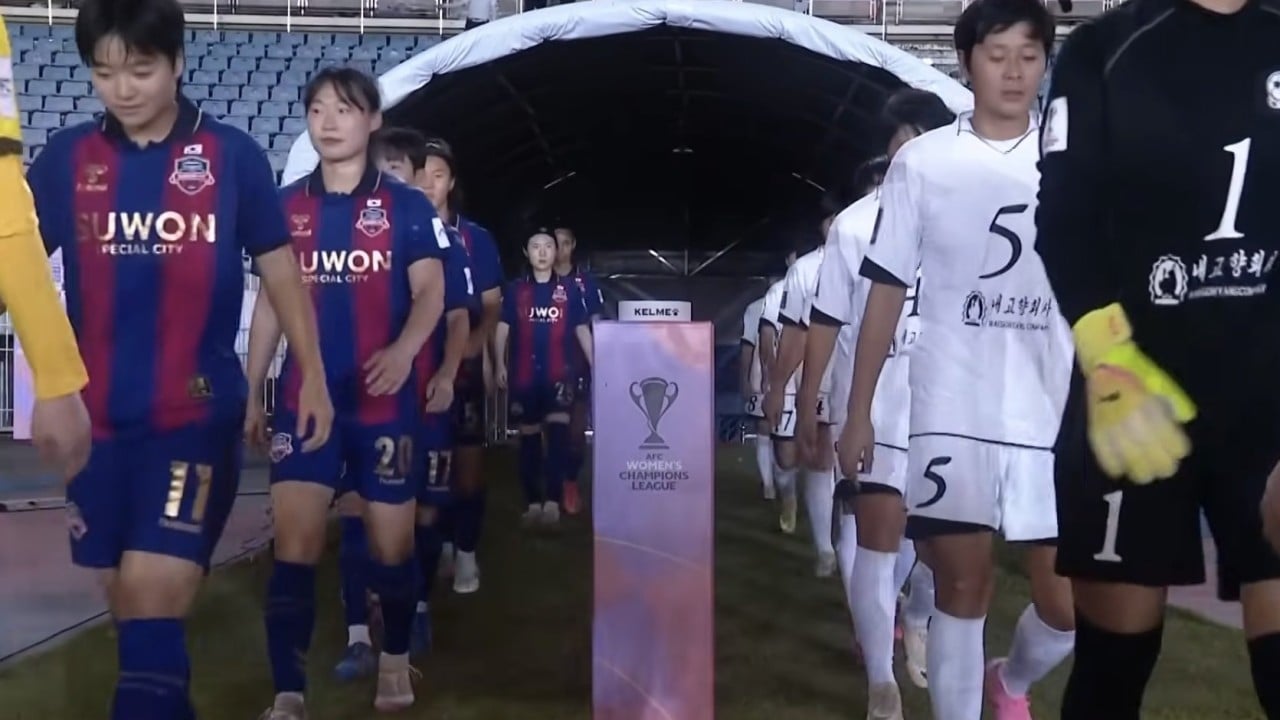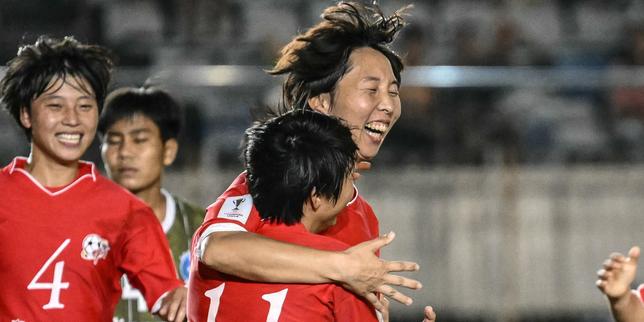
Stop pretending a 90-minute football match in Seoul changes the trajectory of the Korean Peninsula.
The media loves the "sunshine" narrative. They see a North Korean squad crossing the DMZ for the first time since 2018 and immediately reach for the same tired clichés: "thawing relations," "bridge-building," and "the power of sport." It is a beautiful, sentimental lie. In reality, these matches are nothing more than highly choreographed vanity projects that serve the North’s strategic interests while giving the South a fleeting, expensive hit of false hope.
I have watched diplomats and sports federations burn millions on these "peace" initiatives for decades. The result? A momentary handshake, a flurry of flashbulbs, and then a return to missile tests and shuttered communication lines. If you think a friendly match is a signal of a paradigm shift, you aren’t paying attention to the scoreboard.
The Myth of the Neutral Pitch
The fundamental flaw in the "Sports Diplomacy" argument is the belief that the pitch is a neutral space. It isn't. For Pyongyang, sport is a tool of statecraft, a weaponized form of soft power used to gain legitimacy on the international stage without making a single concession on human rights or nuclear proliferation.
When the North Korean team arrives in the South, they aren't there to "bond" with their neighbors. They are there as avatars of a regime. Every movement is monitored. Every interaction is scripted. To suggest that these players—who risk everything if they underperform or "fraternize" too closely—are building organic bridges is a naive fantasy.
Why 2018 Was a Mirage, Not a Milestone
The 2018 Pyeongchang Winter Olympics are often cited as the gold standard for this movement. We saw the joint ice hockey team. We saw the high-level delegations. We saw the smiles.
What did that "progress" actually buy?
- A temporary freeze on testing that was immediately ignored once the PR value expired.
- Billions in infrastructure spending that now sits largely unused.
- A massive propaganda win for a regime that desperately needed to look "normal" to the West.
The competitor article suggests that returning to the 2018 "spirit" is the goal. That is the wrong goal. The 2018 spirit was a performative mask. Returning to it is simply asking to be fooled twice.
The Cost of False Normalcy
Every time we treat a North Korean sports delegation like any other visiting team, we provide a veneer of normalcy to a state that is anything but normal.
- The Funding Gap: South Korean taxpayers often foot the bill for these exchanges. We are paying for the privilege of being part of a North Korean PR campaign.
- The Player Penalty: We ignore the immense pressure placed on the athletes. This isn't "fun" for them. It is a high-stakes mission where failure carries consequences that no FIFA regulation can protect them from.
- The Policy Distraction: While the world watches a football game, actual diplomatic channels remain frozen. Sport becomes a convenient substitute for real, gritty, uncomfortable negotiation. It’s the "bread and circuses" of modern geopolitics.
Football Is Not a Universal Language
"Sport speaks to everyone," the pundits cry.
Actually, sport speaks to the winner. In the context of the Koreas, the scoreline is irrelevant to the public but vital to the regimes. If the North wins, it’s a victory for their ideology. If they lose, the news likely won't even reach the citizens in the North, or it will be framed as a result of "hostile interference."
There is no "shared language" when one side is playing for a trophy and the other is playing for survival.
The Logistics of a Ghost Match
Consider the 2019 World Cup qualifier in Pyongyang. It was played in an empty stadium. No broadcast. No foreign media. Just twenty-two players and a handful of officials in a surreal, silent vacuum. That is the true face of North Korean sports diplomacy. It is controlled, isolated, and entirely on their terms.
Hosting them in Seoul in 2026 might feel different because the stands will be full and the lights will be bright, but the underlying mechanics remain the same. The South provides the stage; the North provides the drama; and the audience provides the validation.
Stop Asking if Sport Can Heal
The question "Can sport bring peace?" is fundamentally flawed. Sport can reflect peace that has already been achieved through hard-nosed diplomacy, economic shifts, and security guarantees. It cannot create it.
Using a football match to fix the Korean crisis is like trying to heal a broken femur with a designer band-aid. It looks better for a second, but the bone is still shattered.
If we want actual change, we need to stop rewarding the North with these high-profile outings while their behavior remains unchanged. We need to stop pretending that a striker scoring a goal is a blow against authoritarianism. It’s not. It’s just a goal.
The Brutal Reality of the 2026 Visit
As this team prepares to head south, expect the usual suspects to call for a "New Era." Ignore them.
The match will happen. The crowds will cheer. The North will go home. And the next morning, the satellites will still be tracking movement at the nuclear sites. The DMZ will still be the most fortified border on earth. And the "bridge" everyone talked about will turn out to be a temporary gangplank that was retracted the moment the final whistle blew.
The real win isn't getting them to play on our grass. The real win is making the game irrelevant because the walls have actually come down. Until then, it's just theater. And the ticket price is far too high.
Stop falling for the optics. Demand the substance.