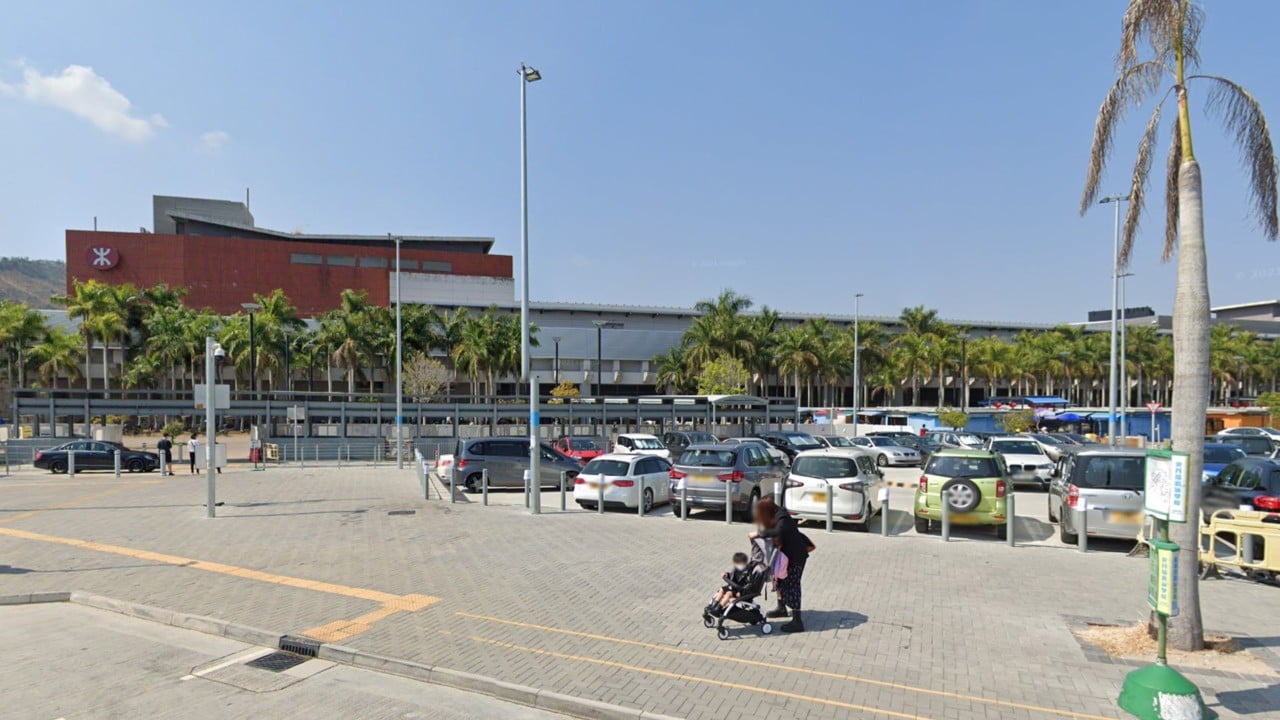
Hong Kong’s property market isn't dead. It's just changing its shape. For months, we've heard nothing but gloom about high interest rates and sluggish demand. Then, a residential site in the Northern Metropolis development area pulls eight separate bids. That’s not a fluke. It’s a signal that the biggest players in town still see a future in the city’s ambitious northern expansion.
The site in question is in Fanling Sheung Shui Town Lot No. 270. It sits right in the heart of what the government calls the "Northern Metropolis." This isn't just another housing project. It's a massive, multi-decade plan to integrate Hong Kong's northern districts with Shenzhen. When you see eight developers lining up to put cash on the table, they aren't just buying dirt. They’re betting on a shift in the city's economic center of gravity.
Why the Northern Metropolis Bids Matter Right Now
The market is tough. You know it, I know it, and the developers definitely know it. Residential prices have been under pressure for years. So, why did eight companies show up for this land auction? Basically, it's about the entry price and the location.
This specific plot in Area 10 of the Fanling North New Development Area is relatively small. Small means lower risk. In this environment, nobody wants to sink $10 billion into a mega-project that might take a decade to pay off. A smaller site allows a developer to get in, build, and sell without overextending their balance sheet.
I've watched these auctions for a long time. Usually, when the mood is sour, you get one or two low-ball offers. Eight bids suggests a real floor in the market. It means multiple teams did the math and decided the project makes sense even with current borrowing costs. That’s a vote of confidence we haven't seen in a while.
The Big Players Are Still In The Game
The list of bidders includes the usual suspects. Sun Hung Kai Properties, Sino Land, and CK Asset were all there. These aren't companies that make reckless moves. They have the deepest pockets and the best data in the city. If they're bidding, it's because they see a path to profit.
We also saw interest from mid-sized firms like Great Eagle and MTR Corporation. This diversity is important. It shows that the Northern Metropolis isn't just a playground for the "Big Four" developers. There's a broader belief that the infrastructure coming to the northern New Territories will actually drive up land values over time.
Breaking Down the Fanling North Site
Let's look at the actual numbers. The site covers about 64,000 square feet. It has a maximum gross floor area of roughly 336,000 square feet. This isn't a skyscraper city. It’s a manageable residential development.
The government has been aggressive about pushing the Northern Metropolis as a solution to Hong Kong's housing shortage. By putting these sites up for sale now, they're testing the water. If this auction had failed, the whole Northern Metropolis timeline would've been in trouble. Instead, the high turnout gives the Lands Department some breathing room.
Development Costs and Profit Margins
Construction costs in Hong Kong are some of the highest on the planet. When a developer bids on land, they have to factor in labor, materials, and the interest they’ll pay on loans until the units are sold.
Right now, developers are likely looking at a "sweet spot." They expect interest rates to start coming down by the time these buildings are ready for pre-sale. If they buy the land cheap today and sell the apartments in a lower-interest-rate environment three years from now, the margins look great. It’s a classic counter-cyclical play.
What Most People Get Wrong About the Northern Metropolis
People often think the Northern Metropolis is just another suburban sprawl. They’re wrong. This is an attempt to create a "dual engine" economy. Historically, Hong Kong has relied on the south—Central, Tsim Sha Tsui, and the harbor. The north was just where people lived or where the farms were.
The plan now is to make the north a tech and innovation hub. We’re talking about the San Tin Technopole and closer ties to the Greater Bay Area. The developers bidding on this Fanling site aren't just looking at local residents. They’re looking at the thousands of professionals expected to work in the new tech parks.
Infrastructure is the Real Value Driver
You can build all the apartments you want, but if there’s no transport, nobody will buy them. The government is pouring billions into the Northern Link railway and new highway networks.
Developers are smart. They know that a flat 10 minutes away from a new MTR station is worth 30% more than a flat that requires a bus ride. The Fanling North site benefits from being part of an established area that's getting a massive upgrade. It’s less "wild west" and more "urban infill."
The Risk Factors Nobody Is Talking About
It’s not all sunshine and rainbows. Eight bids is great, but we don't know the prices yet. There’s a high chance the winning bid is at the lower end of market expectations.
The biggest risk is the supply glut. The government wants to provide a lot of land. Great for the public, bad for developers who want to keep prices high. If the Northern Metropolis dumps 500,000 new units onto the market over the next twenty years, capital growth might be slower than people hope.
Also, the office market is a mess. If the "innovation hub" part of the plan fails to attract companies, the Northern Metropolis just becomes a giant bedroom community. That would hurt the long-term investment case for these residential sites.
How This Impacts the Average Buyer
If you're looking to buy a home, this auction matters. It shows that the "smart money" doesn't think the market is going to collapse. When developers bid, they’re setting the future price of housing.
You should keep an eye on the final tender price. If it comes in above expectations, expect local homeowners in Fanling and Sheung Shui to start raising their asking prices immediately. If it’s low, it might be a sign that the market has more room to fall before it hits bottom.
Strategy for Investors
- Watch the secondary market. Look at older developments near the new sites. They often get a "halo effect" when new, expensive projects launch nearby.
- Follow the transport. Don't buy just anywhere in the north. Stick to the areas within walking distance of the planned Northern Link stations.
- Check the developer. Some developers are known for better quality and higher resale value. See who wins the bid before you get excited about the location.
The Northern Metropolis isn't a dream anymore. It’s a construction site. Eight bids on a single plot of land prove that the private sector is ready to put its money where the government’s mouth is. The momentum is real.
Investors should stop waiting for a "perfect" signal. The market is moving. Those who understand the structural shift toward the northern New Territories will be the ones who benefit from the city's next growth phase. Start scouting the area now. Check the latest zoning maps from the Planning Department. Talk to agents in the New Territories. The window for "early mover" advantage is closing fast as these projects move from planning to reality.