The global energy market just hit a breaking point. If you’ve looked at the news today, you’ve seen the numbers. Crude oil prices have officially surged to a four-year high, catching almost every casual observer off guard. But for those of us tracking the intersection of supply chains and geopolitical friction, this wasn't just a possibility. It was an inevitability.
The sudden spike isn't just a line on a chart for traders in New York or London. It’s a direct hit to the global economy. When oil jumps like this, everything moves. The cost of the plastic in your phone goes up. The price of the strawberries shipped to your local grocery store climbs. Most importantly, the uncertainty makes everyone from central bankers to small business owners freeze. We're looking at a market defined by "chaos," and it's time to talk about why the old rules don't apply anymore. You might also find this related article insightful: The $2 Billion Pause and the High Stakes of Silence.
The Perfect Storm of Supply Shocks
You can’t point to just one thing. That’s the mistake most surface-level reports make. They want a single villain. In reality, we’re seeing a stack of problems that have finally reached critical mass.
First, look at the producers. For the last year, major oil-exporting nations have been playing a dangerous game of chicken with production targets. They’ve kept the taps tighter than expected, betting that restricted supply would keep prices high enough to fund their domestic projects. It worked. Maybe too well. As discussed in latest reports by The Guardian, the effects are significant.
Then you have the logistical nightmares. Shipping lanes that we used to take for granted are now considered high-risk zones. When a tanker has to divert thousands of miles to avoid a conflict zone, that cost doesn't just disappear. It gets tacked onto the price of every barrel. We're seeing a literal physical struggle to get energy from point A to point B. It’s messy. It’s expensive. And it’s not ending tomorrow.
The Role of Depleted Reserves
Many people forget about the safety nets. Most major economies keep Strategic Petroleum Reserves (SPR) for exactly this kind of "chaos." The problem? We've been leaning on those reserves for too long. In the United States and parts of Europe, these stockpiles are sitting at levels that make analysts sweat.
When reserves are low, the market loses its cushion. Any small hiccup—a refinery fire in Texas or a pipeline leak in the North Sea—suddenly feels like a catastrophe. Traders see those low levels and start panicking. They buy futures to protect themselves, which drives the price even higher. It’s a feedback loop that feeds on fear.
Geopolitical Friction is the New Baseline
Stop waiting for "normal" to come back. The geopolitical landscape has shifted permanently. We've moved from a world of global cooperation to one of strategic competition. Energy is being used as a lever, a scalpel, and sometimes a sledgehammer.
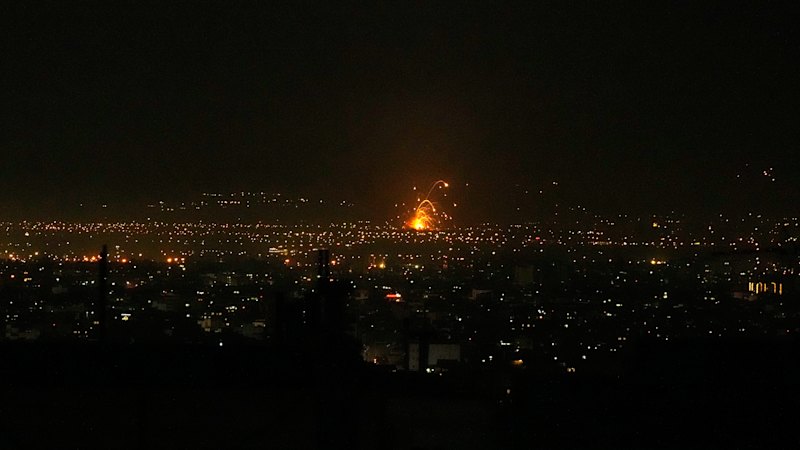
Recent escalations in Eastern Europe and the Middle East aren't just regional scraps. They involve the world's biggest energy corridors. If you think a conflict five thousand miles away doesn't affect your commute, you're kidding yourself. The market is currently pricing in a "war premium." This is essentially an extra fee we all pay because the world feels unsafe.
Why Traditional Economic Models are Failing
I’ve talked to plenty of folks who think high prices will naturally lead to more drilling. In the past, that was true. High prices meant "drill, baby, drill." But today, the big oil companies are being cautious. They’re under pressure from shareholders to return cash through dividends rather than sinking billions into new wells that might take years to pay off.
Plus, there’s the green transition. Even the most hardened oil execs know the long-term trend is moving away from fossil fuels. This creates a "lame duck" period for oil infrastructure. Why spend $5 billion on a new offshore platform if you aren't sure what the regulatory environment looks like in 2030? This hesitation creates a permanent supply gap. Demand is still here, but the enthusiasm to meet it with new production is lagging.
The Inflation Connection Nobody Wants to Admit
Central banks have been trying to tell us that inflation is under control. This oil spike proves they're wrong. Energy is the "master resource." When it gets more expensive, the "core inflation" metrics that exclude food and energy start to look like a fantasy.
Think about a delivery truck. It runs on diesel. When diesel hits record highs, the shipping company raises its rates. The retailer then raises the price of the goods to cover the shipping. This is "cost-push" inflation, and it's much harder to fight with interest rate hikes than "demand-pull" inflation. You can't just tell people to stop needing heat in the winter or stop driving to work.
What This Means for the Average Consumer
If you’re feeling the pinch, you’re not imagining it. We’re seeing a transfer of wealth from energy-consuming nations to energy-producing ones. It acts like a global tax.
- At the pump: Expect prices to stay "sticky." Even if crude drops slightly, retail gas prices usually take weeks to follow.
- In the air: Airlines are notorious for adding fuel surcharges the second oil ticks up. Your summer vacation just got 15% more expensive.
- At the store: Watch for "shrinkflation." Instead of raising prices, companies might just give you less product for the same amount of money to offset their energy costs.
Breaking the Cycle of Energy Dependence
So, what do we actually do about this? Complaining about the price at the pump feels good, but it doesn't change the macro reality.
Individuals and businesses need to start thinking about energy resilience. This isn't just about being "eco-friendly" anymore; it's about being "wallet-friendly." If you can reduce your exposure to volatile oil prices, you win. This might mean finally looking into that heat pump for your home or auditing your business's logistics to cut out unnecessary miles.
For the bigger picture, we need a more honest conversation about energy mix. We can’t just flip a switch to 100% renewables overnight, but we also can’t rely on a global oil market that breaks every time there’s a headline out of the Middle East. We need a bridge. That means more domestic production in the short term combined with an aggressive push for nuclear and long-term storage.
Immediate Steps to Protect Your Finances
Don't just sit there and let the market dictate your bank balance. There are ways to hedge against this uncertainty.
Check your recurring expenses. Many people have "hidden" energy costs in their subscriptions or services that adjust based on market rates. If you own a business, lock in your shipping contracts now before the next round of fuel surcharges hits. If you're an investor, look at the energy sector not as a speculative play, but as a hedge. When the rest of the market tanks because of high oil, energy stocks often provide the only green on the screen.
Stop thinking this is a temporary glitch. The four-year high is a signal. It’s telling us that the era of cheap, easy energy is over for now. The chaos is the new baseline. Adjust your budget, change your expectations, and stop waiting for the "good old days" of $60 barrels. They aren't coming back anytime soon. Start looking at high-efficiency appliances or electric transport options today. The longer you wait to adapt, the more the market will tax your hesitation. Get your energy audit done this month. Lock in your travel plans before the airlines bake in the new crude prices. Move now.