The ground in northern Gaza is full. Not of hope, and certainly not of space, but of the dead. When the Israeli military issued its latest round of "immediate" evacuation orders for neighborhoods like Jabalia and Beit Lahia, the world expected a mass exodus. Instead, many families stayed. They didn't stay because they're stubborn or because they don't understand the risk. They stayed because they've reached a point where moving feels more dangerous than dying where they stand.
Burying a loved one in a war zone isn't like a normal funeral. There are no polished caskets or quiet back gardens. In Gaza right now, people are digging up sidewalks and turning school playgrounds into makeshift graveyards. The act of staying to bury a "martyr"—a term used locally for those killed in the conflict—has become a final, desperate act of defiance against displacement. If you leave, you lose your land. If you stay, you might lose your life, but at least you're buried in the soil you call home.
The Brutal Reality of the Makeshift Cemetery
Traditional cemeteries in Gaza City and the surrounding northern districts have been inaccessible for months. Some are under direct fire, others are completely filled, and many have been churned up by armored vehicles. This has forced residents to get creative in the most macabre way possible.
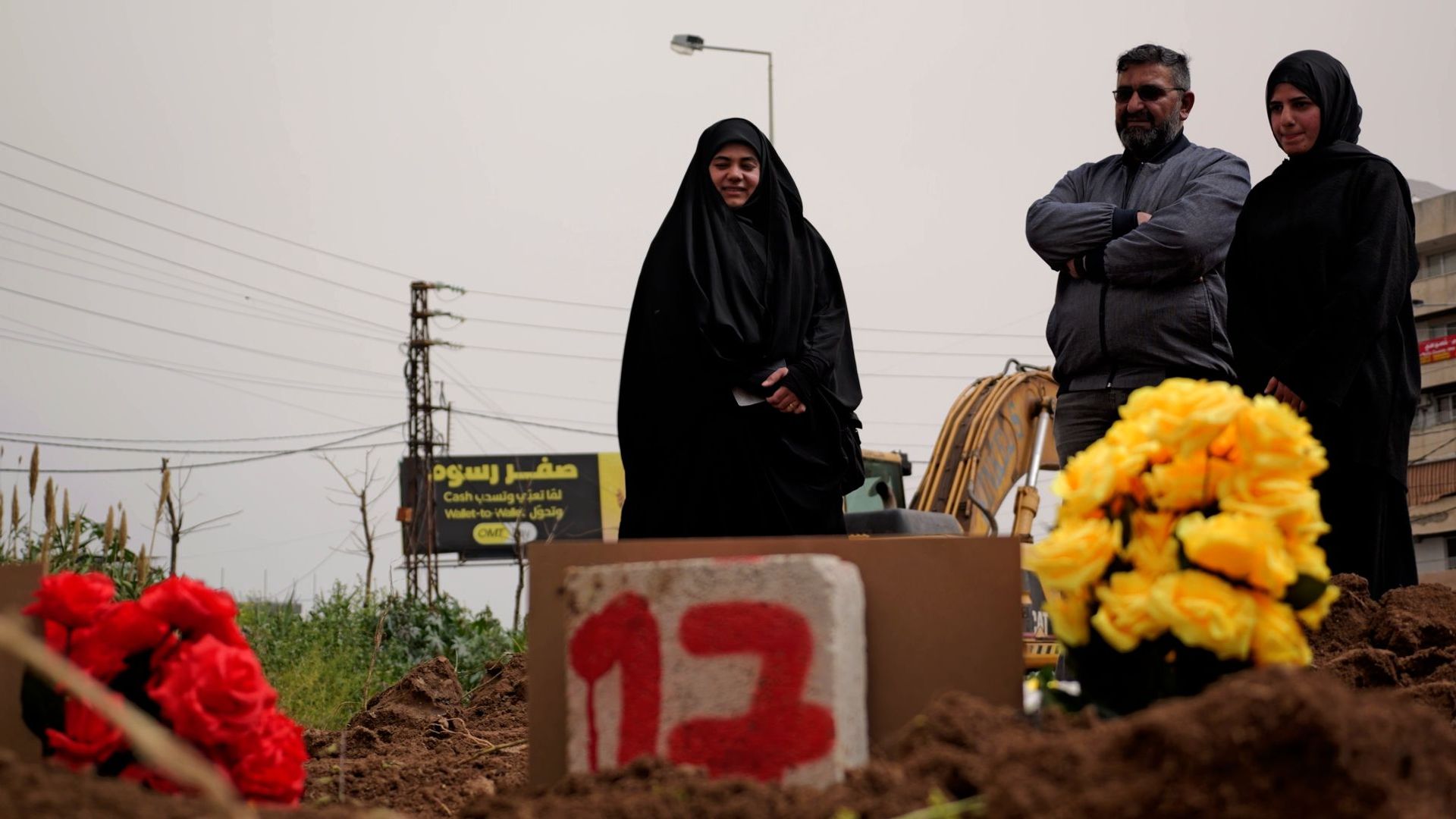
I've seen reports of bodies buried in the courtyards of hospitals like Al-Shifa and Kamal Adwan. When those filled up, people moved to the streets. It's common to see a small mound of dirt marked with a jagged piece of wood or a hand-written cinder block right next to a bombed-out storefront. These aren't just patches of dirt. They're markers of a refusal to let the dead be forgotten or dumped in mass graves by strangers.
The logistics are a nightmare. You can't just call a mortician. Families often have to carry the bodies themselves, sometimes for miles, under the constant hum of drones. They dig with their bare hands or rusted shovels because heavy machinery is either out of fuel or a target for airstrikes. It’s raw. It’s visceral. It’s the kind of reality that doesn't fit neatly into a 30-second news clip.
Evacuation Orders and the Trap of the South
Israel says the evacuation orders are for civilian safety. They want to clear the area to target Hamas militants. But for the people living in Jabalia, those orders feel like a trap. They've seen what happens to those who head south. They’ve heard the stories of the "safe corridors" becoming scenes of arrests or strikes.
There's also the very real fear of the "General’s Plan." This is a strategy proposed by some former Israeli military officials to completely empty northern Gaza of its population to squeeze the resistance. Palestinians know this. They've lived through the Nakba in their history books and their grandparents' stories. To them, leaving the north feels like a permanent exile.
"If I die, I die here," is a sentiment you hear constantly. It’s not a cliché. It’s a calculated choice. If they move south, they face overcrowded tent cities, soaring disease rates, and the same bombs they're trying to flee. In the north, even amidst the rubble, they have the familiarity of their neighborhoods—or what's left of them.
The Psychological Weight of Martyrdom
In Western media, the word "martyr" often gets stripped of its nuance. In Gaza, it’s a social and religious framework that helps people process the unthinkable. When a father buries his son in a makeshift grave behind a grocery store, calling him a martyr isn't just a religious label. It's a way of saying his death had meaning. It’s a way to cope with the fact that he didn't get a proper shroud or a stone monument.
This collective mourning is what keeps the social fabric from completely tearing apart. When a neighbor helps you dig a grave in the middle of a street under fire, that’s a bond that transcends politics. It’s about human dignity in a place where dignity is in short supply.
Israel’s military pressure is designed to break that will. But when people choose to stay and bury their dead in defiance of an order to flee, it shows the limits of kinetic force. You can destroy a building, but it’s a lot harder to destroy the impulse to honor your dead on your own terms.
What This Means for the Future of Gaza
The geography of northern Gaza is being permanently altered. It’s no longer just a grid of streets and homes; it’s a map of trauma. Every makeshift cemetery is a landmark that survivors will never forget. Even if the war ended tomorrow, the task of identifying and relocating these thousands of bodies would take years, if not decades.
The international community keeps talking about "the day after." But for the people in Jabalia, there is no "day after." There is only today, and the urgent need to find enough dirt to cover a brother or a daughter. The refusal to leave is a signal to the world that the population isn't just a mass of refugees to be moved around a chessboard. They are people with a deep, almost cellular connection to their geography.
If you want to understand why the conflict persists despite overwhelming military disparity, look at these graves. They represent a level of endurance that doesn't care about tactical maps or geopolitical pressure. They represent a people who have decided that if they are to be buried, it will be in the land they refuse to abandon.
For those watching from the outside, the next step isn't just following the headlines. It’s looking at the maps of these "evacuation zones" and realizing they are actually maps of homes, lives, and now, thousands of scattered, unofficial graves. Support local humanitarian efforts that are still managing to get food and medical supplies into the north, despite the blockades. Keep the pressure on for a ceasefire that recognizes the right of these people to exist in their own homes, rather than being pushed into an ever-shrinking corner of the strip.