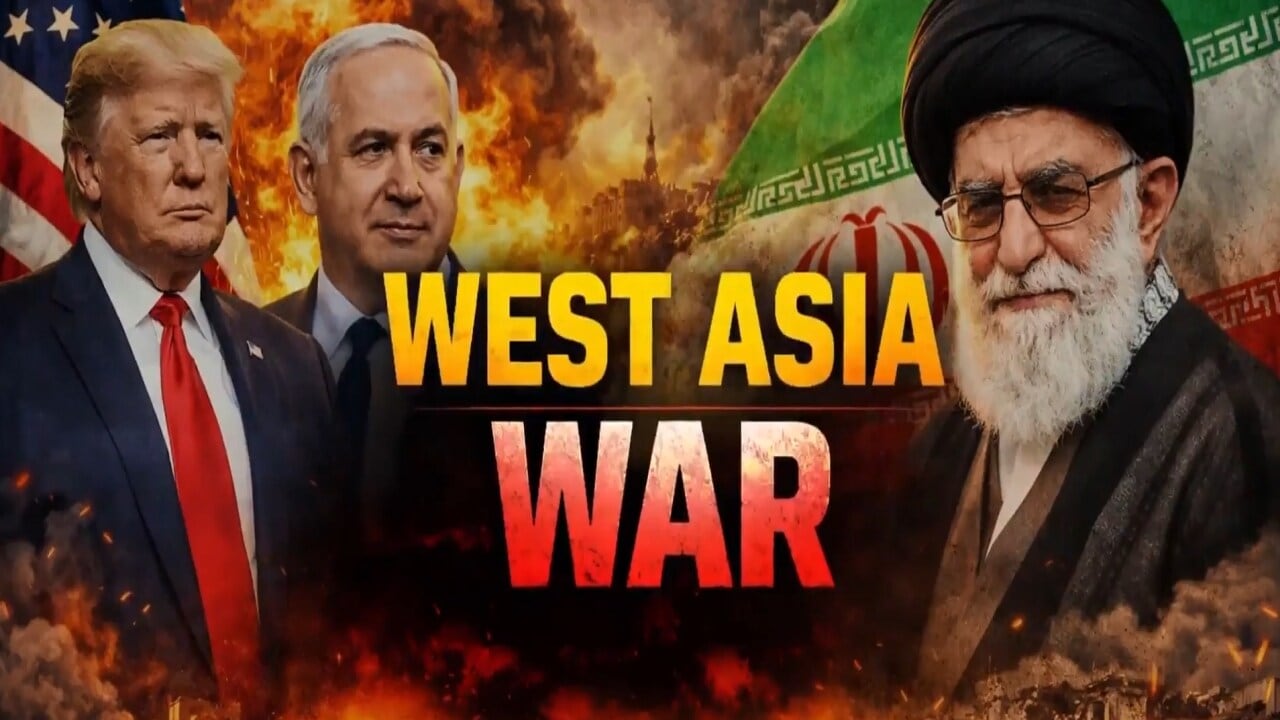
The headlines are screaming about a "winding down" of tensions and the "easing" of oil sanctions as if we just stumbled into a golden age of Middle Eastern diplomacy. It is a comforting narrative. It sells papers and calms the markets. It is also fundamentally delusional.
While the mainstream media obsesses over the optics of a de-escalating conflict, they are missing the structural reality of energy geopolitics. Easing oil sanctions isn't an act of peace; it is a tactical retreat that funds the very instability we claim to be solving. I have watched analysts for twenty years mistake a pause for a pivot. They see a dip in the price of Brent crude and assume the "Iran problem" is solved. It isn't. It's just being refinanced.
The Myth of the "Winding Down" War
The term "winding down" implies a controlled descent toward stability. In reality, what we are seeing is a strategic realignment where the aggressors are given a financial lifeline. When the U.S. eases oil sanctions, it doesn't just lower the price at the pump for a suburban commuter in Ohio. It injects hard currency directly into the veins of a regime that uses that capital for one thing: regional leverage through proxy friction.
If you think this is about humanitarian relief or "bringing Iran back to the table," you haven't been paying attention to how the global energy market actually functions. Oil is the only currency that matters in Tehran. By easing the pressure, we aren't incentivizing good behavior. We are rewarding the status quo.
The "lazy consensus" says that economic engagement leads to political liberalization. This is the same failed logic that governed Western policy toward China for three decades. It didn't work then, and it won't work now. Economic windfalls for authoritarian regimes rarely trickle down to the citizenry; they stay at the top to fortify the security apparatus.
The Crude Reality of Sanction Elasticity
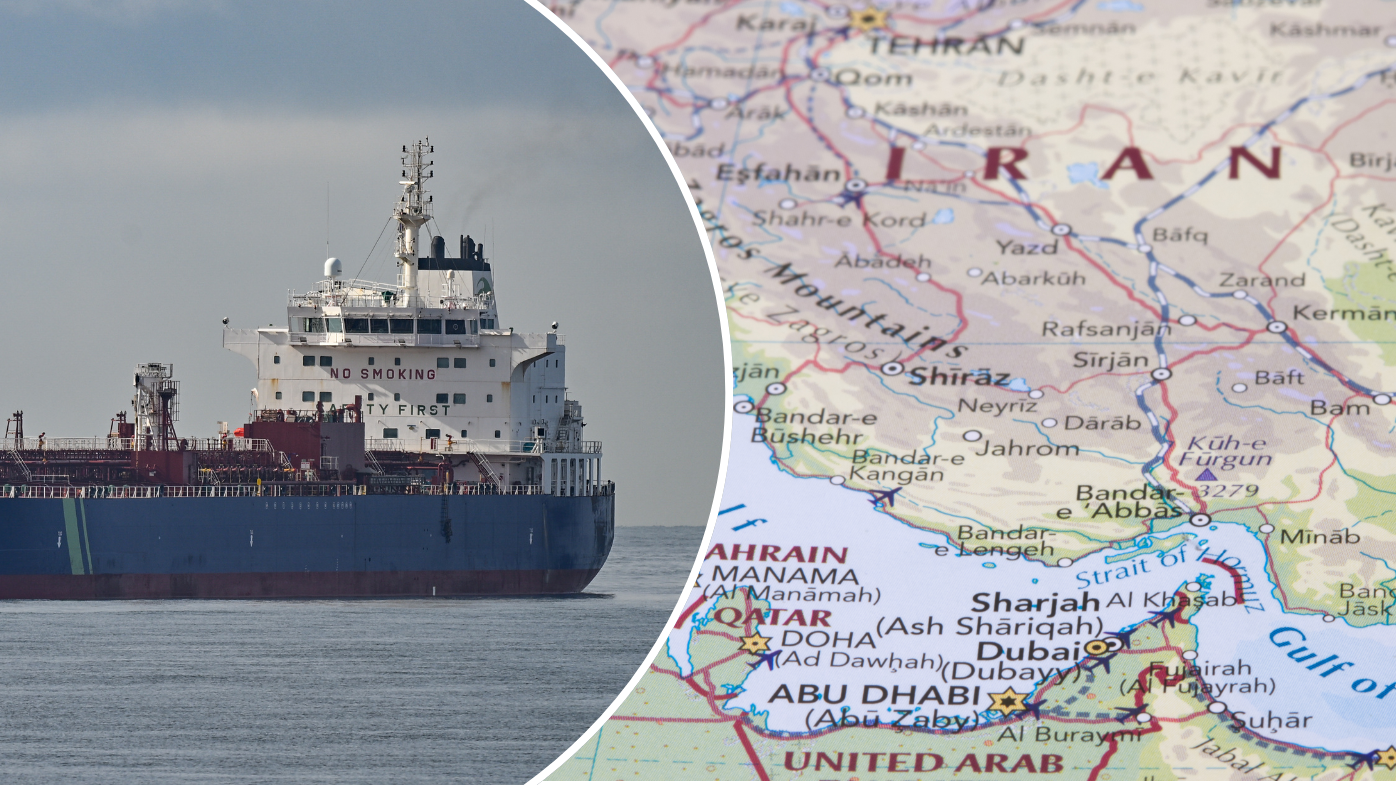
Sanctions are not a light switch. You don't just flip them "off" and expect a return to a 2012 global trade environment. The infrastructure of "shadow fleets"—the hundreds of aging tankers that move Iranian oil under the radar—has become a permanent fixture of the maritime world.
By easing sanctions now, the U.S. is effectively legitimizing a black-market ecosystem that was built to circumvent international law.
- The Cost of Compliance: When sanctions are "eased," the legal risk for major insurers (like the International Group of P&I Clubs) remains high.
- The Discount Factor: Iran will still have to sell its oil at a discount to compete with Russian Urals, meaning the revenue doesn't go toward infrastructure; it goes toward covering the costs of being a pariah.
- The Fragility of the Deal: Any investor with more than two brain cells knows these sanctions can be snapped back in a heartbeat. Therefore, no long-term, stabilizing capital enters the country. Only "hot money" and short-term trade deals survive.
Why the Markets Are Wrong About $70 Oil
The market reaction to "peace talks" is almost always a knee-jerk sell-off in energy futures. Traders love a "de-escalation" story. But look at the math. The global spare capacity is thinner than most analysts admit. If Iran's full production capacity—roughly $3.8$ million barrels per day—returns to the market, it doesn't create a surplus. It barely covers the growth in demand from emerging markets.
The real danger isn't that Iran sells more oil. The danger is that the threat of conflict is baked into the price, and when that threat "disappears," the market stops hedging. We are setting ourselves up for a massive supply shock the moment the next regional flare-up occurs—and it will occur, because the underlying grievances haven't been addressed; they've just been funded.
The False Choice of Diplomacy vs. Sanctions
The debate is usually framed as a binary: you either want "endless war" or you want "diplomatic easing." This is a false choice designed for cable news segments.
The third option—and the one nobody wants to admit is necessary—is structural containment. True containment requires a relentless, boring, and high-friction economic environment that makes it impossible for a hostile regime to project power.
When we ease sanctions, we break the seal on containment. We allow the regime to replenish its foreign exchange reserves, which currently sit at a fraction of their peak.
- Reserve Replenishment: Access to frozen assets allows for the modernization of drone and missile programs.
- Proxy Funding: The cost of maintaining networks in Lebanon, Yemen, and Iraq isn't high—it just needs to be consistent. Oil revenue provides that consistency.
- Technological Parity: Hard currency buys dual-use technology from actors who don't care about Western "rules-based order."
Dismantling the "Oil Stability" Argument
"People Also Ask": Won't easing sanctions lower gas prices and help the global economy?
The honest, brutal answer is: marginally, and only in the short term. The price of gasoline is dictated more by refining capacity and domestic policy than by the marginal return of Iranian barrels. By trading long-term geopolitical security for a $0.10$ cent drop at the pump, we are making the worst trade in the history of foreign policy.
If you want energy stability, you don't get it by emboldening a regime that has spent forty years trying to close the Strait of Hormuz. You get it by diversifying supply and punishing the weaponization of energy.
I’ve seen this play out before. In 2015, the narrative was exactly the same. "The deal is done, the war is over, the oil will flow." Within three years, the region was more volatile than ever because the financial constraints were gone. We are repeating the same cycle, expecting a different result. That is the definition of insanity, yet we call it "statecraft."
The Dangerous Incentive for Escalation
Counter-intuitively, easing sanctions can actually increase the likelihood of war. When a regime is backed into a corner, its actions are predictable. When a regime is suddenly handed a financial windfall and a "peace" mandate, it begins to test the boundaries.
They know the West is desperate for a win. They know the U.S. is tired of "forever wars." That knowledge is a weapon. It allows the adversary to push the envelope—seize a tanker here, fund a militia there—knowing that the West is too invested in the "peace narrative" to pivot back to sanctions.
The "winding down" of the Iran war isn't a victory. It's a massive, interest-free loan to an entity that has no intention of paying it back in anything other than chaos.
Stop looking at the photo ops of smiling diplomats. Look at the balance sheets of the Iranian central bank. If those numbers are going up, the world is becoming more dangerous. It’s that simple.
The market wants you to believe the risk is gone. The risk hasn't moved; it’s just been refinanced at a higher interest rate that we will all have to pay eventually.
Do not mistake a lull in the fighting for a shift in intent. The war isn't winding down. The funding is just starting to flow.