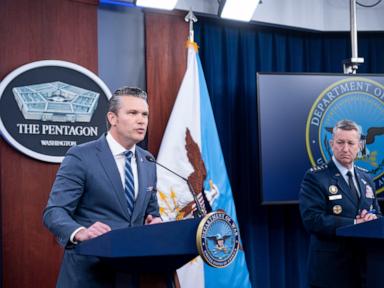
Pete Hegseth is about to walk into a buzzsaw. For the first time since the sparks of the Iran war turned into a full-blown regional conflagration, the Defense Secretary will stand before the House Armed Services Committee. This isn't just another routine hearing about budget line items or procurement delays. It’s a reckoning. Capitol Hill is restless, the public is divided, and the Pentagon is currently managing the most complex military engagement of the decade. Hegseth isn't just defending a strategy anymore; he’s defending his survival in a Cabinet that’s under fire from both sides of the aisle.
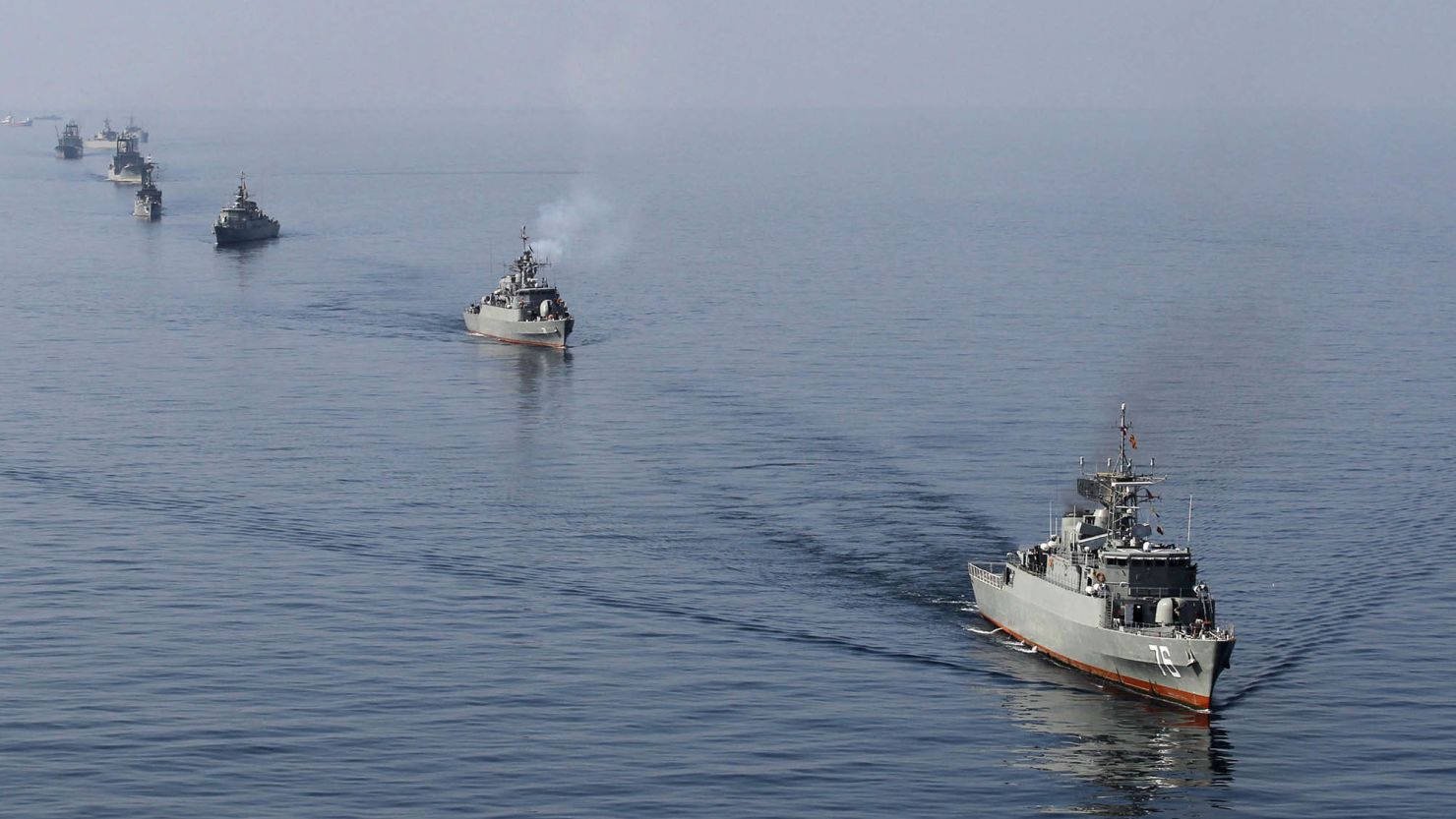
The timing couldn't be worse for the administration. With American assets actively engaged across the Persian Gulf and casualty reports no longer being a rare occurrence, the "honeymoon phase" of this conflict is dead. You’ve got a Secretary of Defense who was already a lightning rod for controversy before the first missiles flew. Now, he’s the face of a war that many in Washington claim they never wanted but everyone saw coming.
The Strategy on Trial
Lawyers and retired generals have been shouting on cable news for weeks about the legality of current operations. When Hegseth sits down, he’s going to get hit with the War Powers Act. Members of Congress are increasingly frustrated that the executive branch has bypassed them to escalate strikes against Iranian infrastructure. They want to know exactly where the line is.
Hegseth’s task is nearly impossible. He has to convince a skeptical committee that the current escalation is "defensive" while the scale of the bombardment suggests something much more permanent. He’s going to argue that the U.S. is protecting global trade routes. The committee is going to argue that we’re sinking into a quagmire that makes the 2003 Iraq invasion look like a minor skirmish. It's a clash of fundamental philosophies on American power.
The reality on the ground is messy. We've seen reports of supply chain disruptions that make the COVID-era shortages look like a joke. Shipping insurance rates have skyrocketed. If Hegseth can’t provide a clear roadmap for how this ends, the markets will keep sliding. People don't just want to hear that we’re winning. They want to know what "winning" actually looks like in 2026.
Military Readiness and the Recruitment Crisis
One of the biggest holes in Hegseth's armor is the state of the force. You can’t fight a war with ghosts. Before this conflict kicked off, the Army and Navy were already struggling to meet recruitment goals. Now, with the threat of high-intensity combat becoming a daily reality for service members, those numbers are cratering.
Congressional critics will likely point to the exhaustion of our carrier strike groups. We’ve been running these ships at high tempo for years. Maintenance cycles are being skipped. Crews are burnt out. Hegseth has championed a "lethal" and "unapologetic" military, but you can’t have lethality without functional equipment and rested sailors. Expect a lot of pointed questions about the "surge" capacity of our industrial base. We’re burning through precision-guided munitions faster than we can build them. That’s a cold, hard fact that no amount of patriotic rhetoric can fix.
The Drone Gap Problem
While we’re talking about hardware, we have to talk about the drones. The Iran war has proven that cheap, mass-produced suicide drones can neutralize multi-billion dollar assets. It’s an asymmetric nightmare. Hegseth has been a proponent of traditional "big iron" platforms—think carriers and stealth fighters. But the committee is going to grill him on why the U.S. was caught flat-footed by swarm tactics.
The Pentagon’s Replicator program was supposed to fix this. It hasn't. Not fast enough, anyway. When Hegseth is asked why a $2,000 drone can take out a $100 million radar installation, he’d better have a better answer than "we’re working on it." The taxpayer deserves better than that.
Internal Pentagon Friction
It’s no secret that Hegseth has had a rocky relationship with the Joint Chiefs. There’s a palpable tension between the political leadership and the career officers who actually have to execute these orders. Rumors of "slow-rolling" by certain commanders have leaked out of the E-ring for months. Congress knows this. They’ll try to bait Hegseth into admitting there’s a rift.
If he looks like he’s at odds with his generals, he’s done. A Secretary of Defense during wartime needs to be in total lockstep with his military advisors. If the committee senses even a sliver of daylight between Hegseth and the Chairman of the Joint Chiefs, the narrative will shift from "the war is hard" to "the leadership is broken." It’s a high-stakes performance. Every twitch, every hesitation, and every "I’ll have to get back to you on that" will be analyzed by every embassy in the world.
The Cost of the Conflict
Let’s talk money. War is expensive. This war is exceptionally expensive. We aren't just paying for fuel and ammo; we’re paying for the massive logistics chain required to keep tens of thousands of troops fed and armed in a hostile environment. The deficit is already a screaming siren in the background of every fiscal discussion.
Hegseth will be asked to justify a supplemental funding request that likely totals in the hundreds of billions. He’s going to argue that the cost of inaction is higher. But for a family in Ohio watching gas prices hit $7 a gallon because of Persian Gulf instability, that’s a hard sell. Hegseth has to bridge the gap between "grand strategy" and "kitchen table economics." If he stays in the clouds, he loses the room.
Accountability for Intelligence Failures
How did we get here? That’s the question that will haunt the hearing. There’s a growing sentiment that the administration misread Tehran’s intentions entirely. The intelligence community is being blamed for missing the signs of a coordinated regional breakout. Hegseth, as the head of the department that consumes the lion’s share of that intelligence, bears the brunt of that failure.
Congress will demand to see the "red files." They want to know if the Pentagon ignored warnings from field offices in favor of a more politically convenient narrative. If it turns out that the Department of Defense was warned about the specific escalation tactics Iran used and did nothing, Hegseth’s job isn't the only thing on the line.
What Happens After the Hearing
Don't expect a polite "thank you for your service" at the end of this session. This hearing is the opening salvo in a long-term oversight battle. If Hegseth fumbles, the calls for his resignation will move from the fringes of the internet to the front pages of the major papers. He needs to show he has a grip on the tactical reality without losing sight of the human cost.
You should watch the body language of the moderate members of the committee. They’re the ones who decide if the funding keeps flowing. If they start looking for the exit, the administration is in deep trouble. The Iran war isn't something that can be managed with press releases anymore. It requires a level of transparency and competence that this Pentagon hasn't yet demonstrated to the public's satisfaction.
Keep an eye on the specific questions regarding the Strait of Hormuz. That’s the world’s jugular vein. If Hegseth can’t guarantee that it stays open, the global economy is in for a shock that will make the 2008 crash look like a minor dip. The stakes aren't just regional; they’re global. Hegseth isn't just answering to Congress; he’s answering to a world that’s tired of watching the Middle East burn.
Watch the live feed closely. Look for the moments where he deflects. Those are the areas where the real problems are buried. The Iran war is the defining crisis of our time, and we're about to see if the man at the helm actually knows how to steer the ship or if he's just holding onto the wheel while we head for the rocks.
Stop waiting for a "mission accomplished" moment. It’s not coming. The best we can hope for is a managed exit that doesn't leave the entire region in ashes. Hegseth has to prove he’s the man who can deliver that. If he can't, someone else will be sitting in that chair by the end of the quarter. Demand more from the leadership. Follow the money. Don't let the rhetoric distract you from the casualty lists. That’s how you stay informed in a world at war.