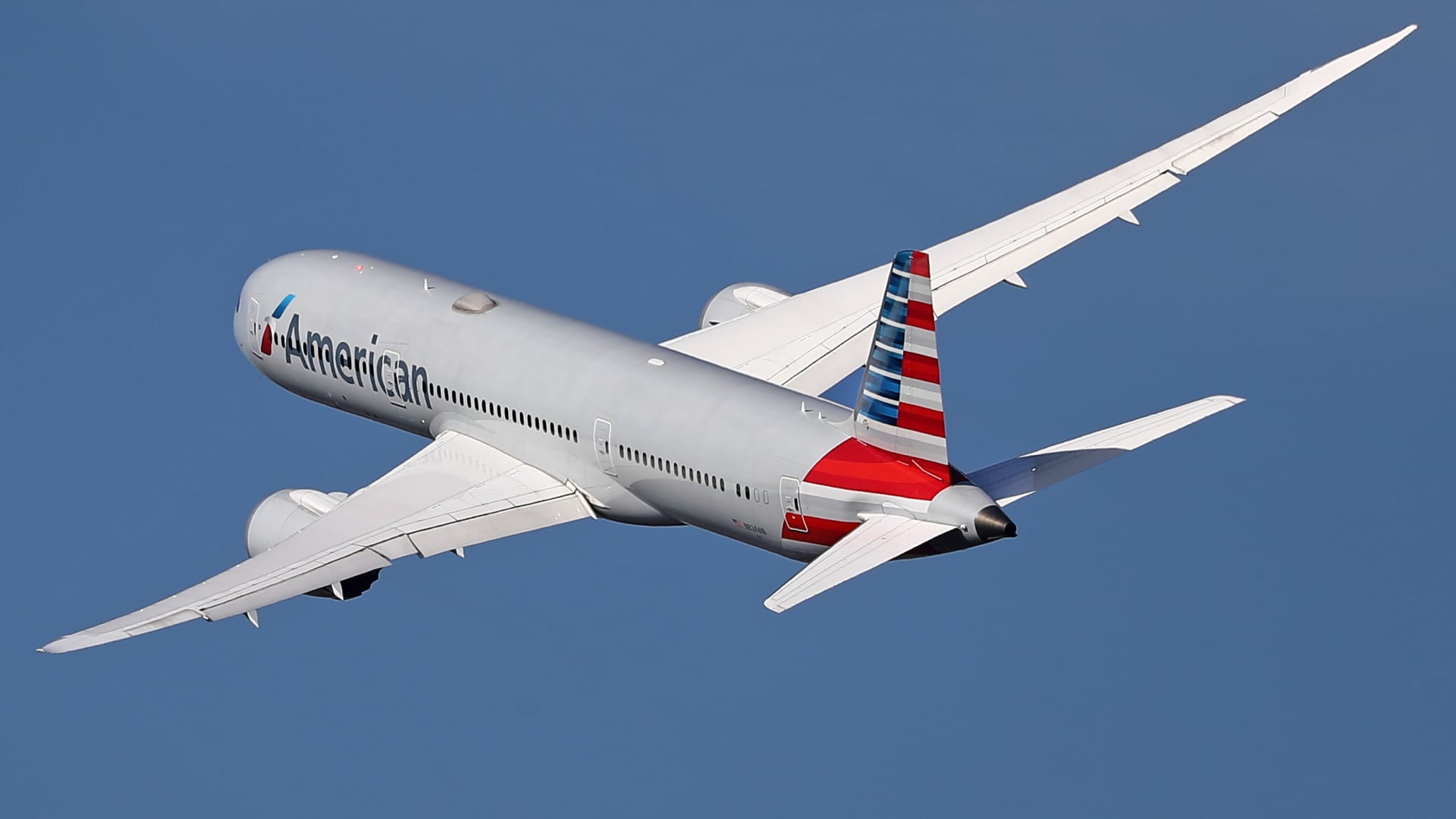
American Airlines shares tumbled more than 3% in premarket trading on Monday, April 20, 2026, after the carrier's leadership effectively detonated what would have been the largest corporate marriage in aviation history. The rejection was not a polite "no." It was a public, definitive disavowal of United Airlines CEO Scott Kirby’s vision for a consolidated domestic sky. By slamming the door on a deal that would have unified 1,400 aircraft and 171 million annual passengers, American chose the safety of the current antitrust status quo over the chaotic promise of a global monopoly.
The fallout was immediate. Wall Street, which had bid American (AAL) shares up 4.2% on Friday in anticipation of a tie-up, reversed course. Prices hit $12.38 before the opening bell. Investors who bet on the birth of a "too big to fail" titan are now reckoning with a reality where American remains exposed to high labor costs and the relentless volatility of the fuel market without a merger to mask the cracks. You might also find this connected story interesting: Why Wildfire Settlements Are a Wealth Transfer Not a Recovery.
The Kirby Gambit and the Fort Worth Firewall
The deal didn't start in a boardroom; it started in the White House. This past February, United CEO Scott Kirby reportedly brought a proposal to the Trump administration, pitching a merger as the only way for U.S. carriers to compete against state-backed international giants. Kirby, a former American Airlines executive himself, knew exactly what he was trying to buy: scale.
American’s response, issued late Friday, was a masterclass in corporate self-preservation. Management didn't just cite business reasons; they invoked the administration’s own antitrust principles. They argued that a combination with United would be "negative for competition and for consumers." This is a defensive maneuver. By framing the merger as an antitrust nightmare, American’s leadership is protecting their own seats from a hostile takeover while simultaneously signaling to regulators that they are the "responsible" legacy carrier. As extensively documented in detailed reports by Harvard Business Review, the results are worth noting.
There is a deep irony here. For years, the industry mantra has been that consolidation is the only path to stability. Now, at the peak of 2026’s travel demand, the biggest player in the game is claiming that being "too big" is exactly what the market doesn't need.
Why the Math Failed
The numbers behind a United-American merger are staggering and, frankly, terrifying for anyone concerned about ticket prices. A combined entity would have controlled roughly 40% of the domestic market. In key hubs like Chicago, Charlotte, and Dallas, the monopoly would have been absolute.
- Fleet Overlap: Both carriers are struggling with Boeing delivery delays. Merging wouldn't have fixed the shortage; it would have merely concentrated the misery.
- Labor Gridlock: American is still smoothing out the edges of its current pilot and flight attendant contracts. Folding in United’s unionized workforce would have invited years of litigation and seniority-list warfare.
- Alliance Death: A merger would have required either American to leave Oneworld or United to exit Star Alliance. The cost of dismantling these global networks is measured in the billions, not millions.
The market's 3% dip reflects a loss of "deal heat," but the deeper concern is what American does next. The carrier is currently trailing its peers in international revenue. Kirby’s proposal offered a shortcut to global dominance. By rejecting it, American is betting everything on its domestic "Sunbelt" strategy. If domestic demand softens later this year, the rejection of the United deal may be remembered as a missed opportunity to build a fortress.
The Specter of the Department of Justice
The Biden-era Department of Justice was notoriously hostile to airline deals, successfully blocking the JetBlue-Spirit merger. While the current administration has signaled a more business-friendly tone, American’s leadership clearly believes that a United-American tie-up would be the bridge too far even for a deregulatory White House.
The strategy is clear. American is positioning itself as the "market-compliant" alternative. If they can convince the DOJ and the Department of Transportation that they are the bulwark against a United-led monopoly, they might find more leniency for smaller, tactical acquisitions or partnership expansions down the road. It is a long-game play in an industry that usually thinks only as far as the next quarterly report.
Turbulence Ahead
The rejection of this megamerger doesn't end the era of consolidation; it just changes the targets. With American and United now officially off the table for each other, the industry's eyes will turn toward the remaining mid-tier players. The JetBlue sale process continues, and Alaska and Hawaiian are still digesting their own integration.
Investors are selling off American today because the "easy money" of a merger premium has evaporated. What remains is a carrier that must now prove it can thrive as a standalone entity in an environment where operating costs are rising faster than yields. The 3% drop is a vote of no confidence in American’s ability to win without a massive partner.
American Airlines has chosen to fight on its own terms. It has preserved its independence at the cost of its share price, betting that the regulatory storm following a United merger would have been more damaging than the market's temporary cold shoulder. Whether this was a moment of strategic brilliance or a failure of nerve will be decided at the gates, not in the premarket charts.
The "world's biggest airline" remains a hypothetical, and for the traveling public, that is likely the only win of the week.