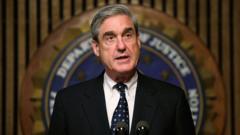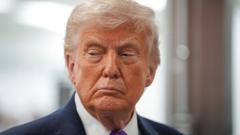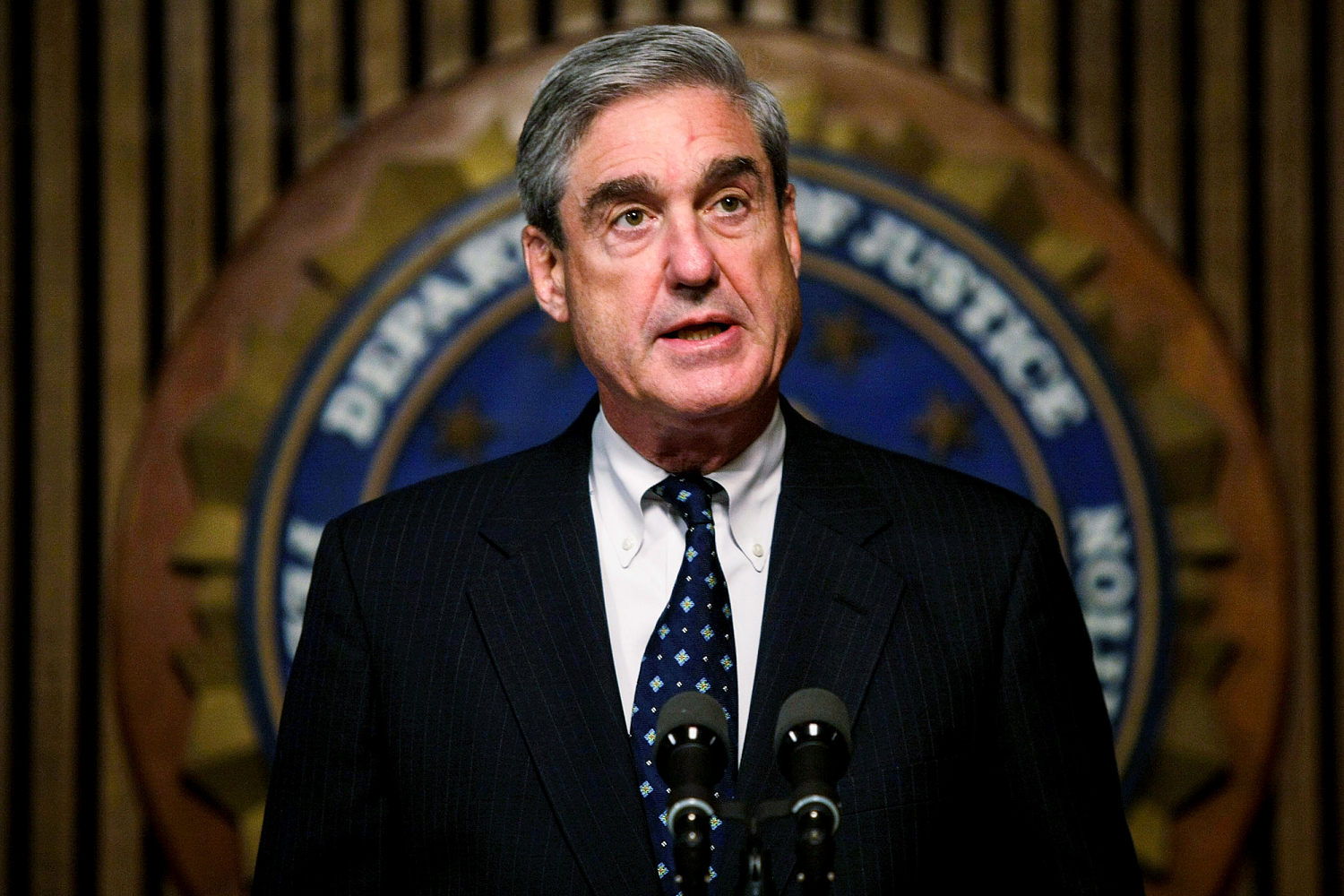
Robert Mueller didn't just investigate power; he was the personification of the American establishment’s last stand against the chaos of modern politics. When news broke that the former FBI Director and Special Counsel died Friday at 81, the reaction was as split as the country he served. On one side, you have the "Never Trump" movement mourning a war hero and a straight-shooter. On the other, you have Donald Trump himself posting on Truth Social that he's "glad" Mueller is gone, claiming he can no longer "hurt innocent people."
If you’re looking for a simple hero or villain narrative, you won't find it here. Mueller was a man of the 20th century trying to apply old-school rules to a 21st-century cage match. Whether you think he was a savior who fell short or a "deep state" operative, his death marks the end of an era where "the work speaks for itself" was a viable career strategy.
The burden of being the last adult in the room
Mueller took over the FBI exactly one week before the September 11 attacks. Think about that timing. He walked into a bureau that was still using paper files and chasing bank robbers, and he had to turn it into a global counterterrorism machine overnight. He didn't ask for a honeymoon period. He just put on his signature white shirt, cinched his tie, and got to work.
For 12 years, under both Bush and Obama, he was the steady hand. He was the guy who famously threatened to resign in a hospital room to stop the Bush administration from reauthorizing an illegal wiretapping program. That’s the Robert Mueller his friends want you to remember—the Marine who wouldn't back down from a fight if he thought the law was on his side.
But the version of Mueller that dominates the headlines today is the one from 2017. When he was appointed Special Counsel to look into Russian interference and the Trump campaign, he wasn't just a prosecutor. He was a Rorschach test. Democrats expected a crusader who would march into the White House with handcuffs. Republicans saw a partisan hitman. Mueller, being Mueller, chose to be a librarian. He produced a 448-page report that was technically dense, legally cautious, and politically explosive without ever actually exploding.
What the Mueller Report actually said vs what you heard
There's a massive gap between the "no collusion" talking point and the reality of the 2019 report. Honestly, most people never read the thing. They just waited for the TV summaries. If you actually look at the findings, it's a grim map of how modern elections get hijacked.
- Russian interference was real and systemic: The report documented a "sweeping and systematic" campaign by the Kremlin to help Trump and hurt Clinton.
- The "Collusion" confusion: Mueller didn't find a criminal conspiracy, but he found "numerous links" between the campaign and Russian individuals. He didn't use the word "collusion" because it isn't a legal term.
- Obstruction of Justice: This is where Mueller frustrated everyone. He laid out ten instances where Trump might have obstructed justice but refused to make a "prosecutorial judgment." He basically handed the ball to Congress and said, "You deal with it."
His refusal to say the words "Trump committed a crime" or "Trump is innocent" left a vacuum that partisan hacks filled with noise. He stayed silent for 22 months, then gave a halting, uncomfortable performance in front of Congress that made him look out of his depth in the age of viral clips. He was a man who believed in the "process" in a world that had moved on to "narrative."
A legacy of Parkinson’s and public service
In his final years, we learned that Mueller was battling Parkinson’s disease. It explains a lot about those final public appearances that critics used to claim he’d "lost his fastball." Even with a terminal diagnosis, he didn't go on a book tour. He didn't do the late-night talk show circuit to defend his honor. He went back to his law firm, then to a quiet life in Virginia.
Mueller’s career is a reminder of what happens when a "straight arrow" hits a whirlwind. He spent 50 years at the Department of Justice. He prosecuted John Gotti. He led the investigation into the Pan Am Flight 103 bombing. He was a decorated Marine who earned a Bronze Star for saving a fellow soldier under fire in Vietnam. Yet, for a huge chunk of the population, he’ll only be remembered for a two-year investigation that didn't give them the ending they wanted.
Why his death feels like a turning point
With Mueller gone, the "institutionalist" wing of the U.S. government feels even smaller. He belonged to a generation that believed the Department of Justice should be an island, separated from the mainland of politics by a deep moat of ethics. Today, that moat is being filled in.
The fact that a sitting president is "glad" a former FBI Director is dead tells you everything you need to know about where we are in 2026. Mueller’s life was about the rules. The current era is about breaking them. If you want to understand why the U.S. legal system feels like it's vibrating apart, look at how Mueller was treated by both sides. He was too "by the book" for the left and too "investigative" for the right.
If you want to honor the guy, or at least understand him, don't read the tweets. Go back and read the actual 2019 report. Look at the indictments he secured—34 people and three companies, including some of the highest-ranking officials in the land. He didn't "fail." He just didn't provide a Hollywood ending for a real-world mess.
Search for the "Executive Summary of the Mueller Report" on the DOJ website. It’s the best way to see the facts without the 2026 political filter.