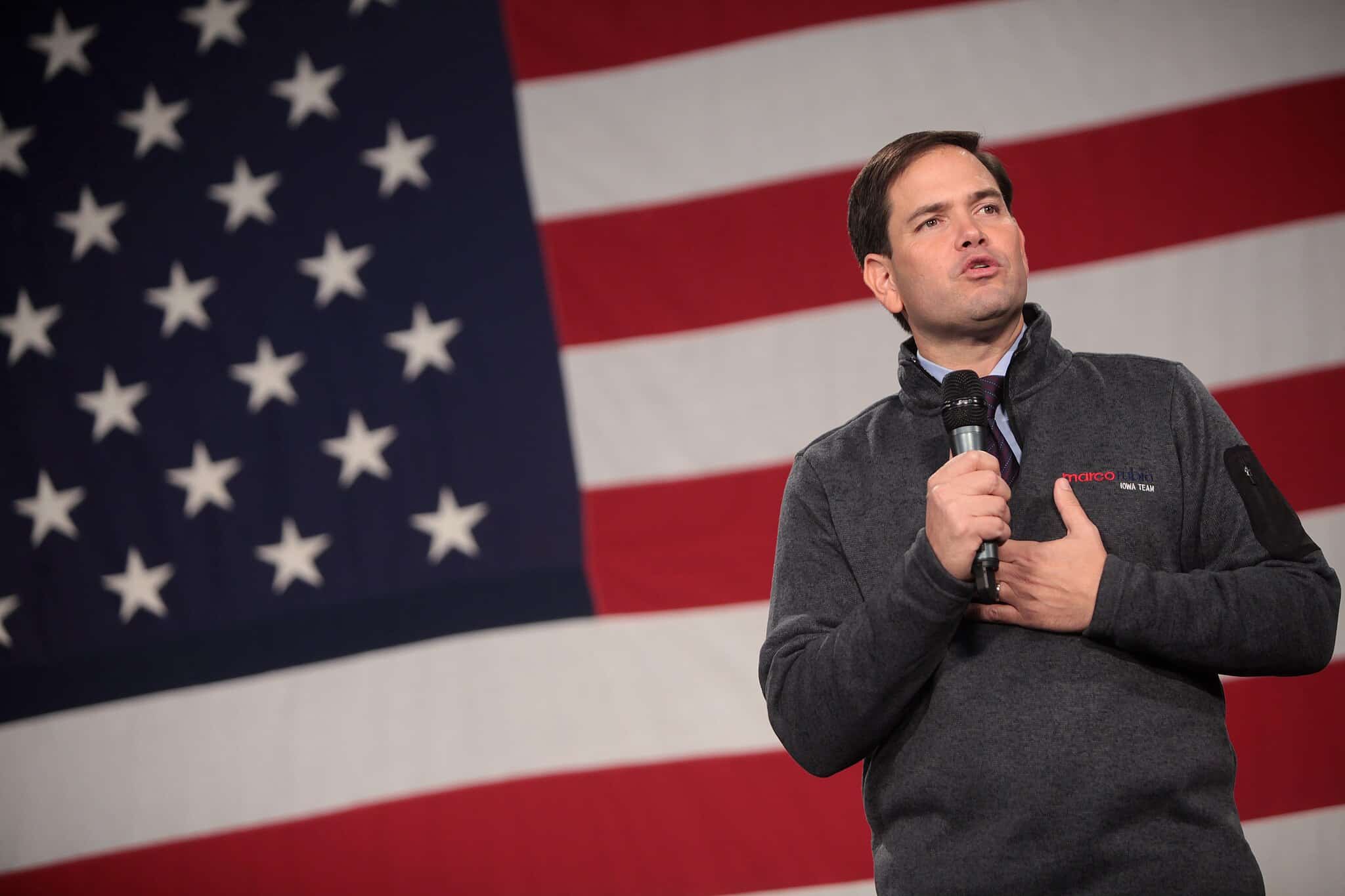
The phone call between Secretary of State Marco Rubio and Iraqi Kurdish Prime Minister Masrour Barzani on Thursday wasn't just a standard diplomatic check-in. It was a clear signal to Tehran. Following a deadly Iranian ballistic missile strike on March 24 that killed six Peshmerga fighters and wounded dozens more, the U.S. is doubling down on its alliance with the Kurdistan Regional Government (KRG). This isn't just about regional stability—it's about the global oil market and the survival of a key American partner in a region that's currently on fire.
If you're wondering why a Secretary of State is personally thanking a regional leader for "enabling oil to reach global markets," look at the current price at the pump. The ongoing conflict with Iran has sent shockwaves through the energy sector. The Kurdish region has become a vital corridor for Iraqi oil to bypass volatile zones, and Rubio’s gratitude is a public acknowledgement that Erbil is keeping the lights on for much of the West.
The Cost of the Soran District Strike
The tragedy in the Soran district earlier this week serves as a grim reminder of the risks the Kurds are taking. Iranian missiles didn't just hit a random patch of desert; they struck military positions of the 7th and 5th Infantry Brigades.
- Fatalities: 6 Peshmerga members confirmed dead.
- Injuries: At least 30 others wounded, some critically.
- The Intent: This was a direct "hostile act" aimed at destabilizing the one part of Iraq that remains consistently pro-Western.
Rubio’s condolences weren't just words. By condemning the attacks by Iran and its aligned militias, the State Department is drawing a line. For months, Rubio has been pushing Baghdad to disarm these militias, arguing they "pilfer Iraqi resources for Iran." This call was a way to tell the KRG that while Baghdad struggles with its internal pro-Iran factions, Washington still sees Erbil as a primary strategic pillar.
Oil as a Weapon of Stability
One of the most interesting parts of the readout involves the resumption of Kurdish oil exports. For over two years, a legal dispute between Baghdad and Erbil—sparked by a Paris court ruling—bottlenecked this oil. Recently, a "historic deal" allowed the flow to resume through the Ceyhan pipeline to Türkiye.
Washington isn't just happy about the revenue; they're using Kurdish oil to offset the global reliance on Iranian exports. When Rubio thanks Barzani for "enabling oil from Iraq to reach global markets," he’s basically saying that the KRG is a major player in the economic war against Tehran.
What Washington is Really Demanding
Don't let the diplomatic pleasantries fool you. There is a lot of pressure behind these calls. Rubio and the Trump administration are demanding three specific things from the Iraqi leadership:
- Total Disarmament: The U.S. wants the Iran-backed "resistance" factions in Iraq gone. These groups have been targeting U.S. bases and diplomatic facilities in Baghdad and Erbil for years.
- Protection of Assets: There is a "zero tolerance" policy emerging for attacks on U.S. citizens or energy infrastructure.
- Strategic Independence: The U.S. is pushing the KRG to maintain its distinct security and economic identity, even as troop withdrawal talks continue with the federal government in Baghdad.
U.S. Ambassador Tom Barrack recently reinforced this, stating that the commitment to Kurdish security remains a "fundamental aspect" of the U.S.-Iraq relationship. Even as some U.S. troops begin a gradual withdrawal—a process expected to wrap up by September 2026—the "advisory" presence in the Kurdish region is clearly not going anywhere soon.
The Bigger Picture for 2026
We're seeing a shift from general "regional cooperation" to a much more transactional and protective stance. The U.S. needs the KRG to stay strong to keep oil flowing and to act as a buffer against Iranian expansion. In return, the KRG needs American air defense and political cover to survive the literal missiles coming across their border.
Honestly, the situation is incredibly delicate. While the U.S. offers condolences and "gratitude," the Peshmerga are the ones on the ground facing ballistic missiles. The next few months will determine if the "strategic partnership" Rubio keeps mentioning can actually prevent another Soran-style tragedy or if Erbil will remain a target for a cornered regime in Tehran.
Keep an eye on the upcoming inauguration of the new U.S. Consulate General building in Erbil. Rubio has already expressed interest in attending. If he shows up in person, it won't just be a ribbon-cutting; it'll be a "keep off the grass" sign directed squarely at Iran.