You don't often see a $1.5 billion deal vanish overnight because of a "suggestion" from a neighbor. But that's exactly what happened to Pakistan’s massive arms contract with Sudan. Islamabad was on the verge of a historic payday, ready to ship JF-17 Thunder jets and advanced drones to Khartoum. Then, Saudi Arabia stepped in. Now, the whole thing is on ice, and it isn't just about the money.
It’s about who really pulls the strings when a cash-strapped nation tries to play global arms dealer. Saudi Arabia didn't just express a concern; they effectively pulled the plug by withdrawing the financial backing that made the deal possible. For Pakistan, this is a stinging reminder that their defense ambitions are tethered to Riyadh's bank account.
The billion dollar collapse explained
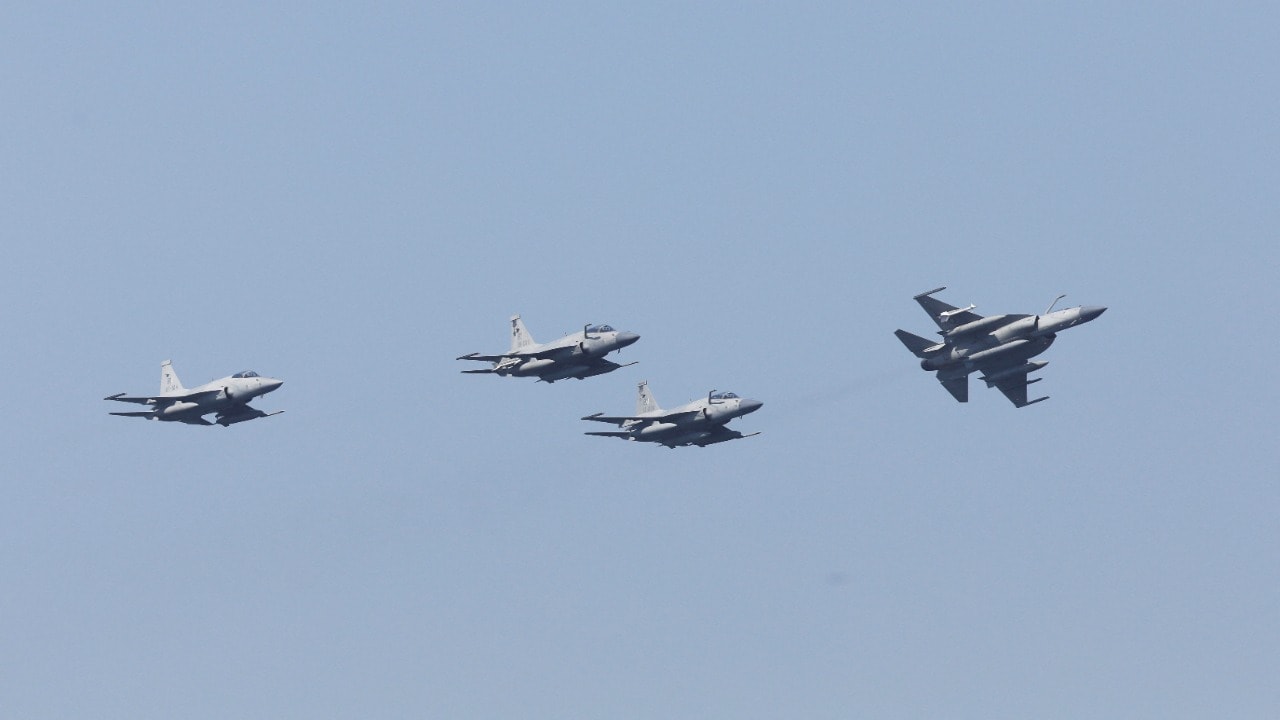
Pakistan’s military industry has been on a high lately. After some high-profile skirmishes with India in 2025, their "battle-tested" hardware became a hot commodity. The Sudan deal was supposed to be the crown jewel of this new era. We're talking about a package that included:
- JF-17 Thunder Block III fighters: The pride of the Pakistan Air Force.
- Karakoram-8 (K-8) light attack aircraft: Perfect for the kind of counter-insurgency Sudan is fighting.
- Over 200 drones: A mix of surveillance and "kamikaze" systems.
- Air defense systems: To secure Khartoum’s skies.
The Sudanese Armed Forces (SAF) desperately need this gear. They’ve been locked in a brutal civil war with the Rapid Support Forces (RSF) for three years. On paper, Saudi Arabia supports the SAF. In reality, they're terrified of what happens if Sudan becomes a playground for Iranian influence.
Why Saudi Arabia suddenly got cold feet
Why would Riyadh kill a deal they originally helped broker? It comes down to a shift in the wind. By March 2026, Saudi intelligence started seeing red flags. Specifically, they noticed Islamist factions within the Sudanese army—like the al-Baraa Bin Malik Brigade—vocally supporting Iran during the recent Gulf tensions.
Riyadh isn't going to fund a military that might end up as an Iranian proxy on the Red Sea. They also reportedly faced pressure from Western allies to stop fueling proxy wars in Africa. Saudi Arabia is trying to position itself as a regional peacemaker, and shipping $1.5 billion in heavy weaponry to a burning house doesn't look great on a resume.
The UAE factor and the proxy trap
You can't talk about Sudan without talking about the United Arab Emirates. While the Saudis have backed the official army (SAF), the UAE has been accused of funneling support to the RSF. It’s a messy, quiet war between two Gulf giants.
By halting the Pakistan deal, Saudi Arabia is essentially hitting the "pause" button on the entire conflict. They realized that tipping the scales too far might just escalate the war into something they can't control. It’s a tactical retreat disguised as a policy shift.
What this means for Pakistan’s wallet
Pakistan is hurting for foreign exchange. This $1.5 billion wasn't just a sale; it was a lifeline. Now, they’re stuck with a "mutual defense pact" with Saudi Arabia that seems to give Riyadh a veto over who Pakistan can sell to.
It’s a tough spot. If you’re Islamabad, you can’t exactly tell your biggest creditor to mind their own business. Saudi Arabia provides the loans that keep the Pakistani economy from flatlining. If they say the Sudan deal is dead, it’s dead.
The fallout doesn't stop at Sudan, either. Reports suggest a separate $4 billion deal with the Libyan National Army is also under review. If Riyadh decides to "revisit their strategy" in North Africa too, Pakistan’s defense export goals for 2026 are going to take a massive hit.
The reality of the JF-17 export market
The JF-17 is a great jet for its price. At roughly $25 million to $32 million a pop, it beats Western fighters on cost every single time. But as we’re seeing, selling weapons isn't just about the tech or the price tag. It’s about the "political strings" that come with the money.
Pakistan wants to be seen as an independent, global military supplier like Turkey or India. But as long as their customers—or their own treasury—rely on Gulf financing, they’re playing a game where the rules change mid-match.
How to watch this play out
If you’re tracking this, don't expect a formal "cancellation" announcement. These things usually just stay "on hold" until they fade away. Keep an eye on:
- Sudan-Iran ties: If Khartoum keeps flirting with Tehran, this deal is buried forever.
- The $4 billion Libya deal: This is the next domino. If it falls, Pakistan will have to find new, non-Gulf-dependent buyers.
- Domestic pressure in Islamabad: The military needs the cash from these exports to fund their own modernization. They won't be happy about Riyadh's interference.
For now, the lesson is simple: in the world of international arms sales, the person with the checkbook always has the last word. Pakistan has the jets, but Saudi Arabia has the power.
If you’re looking to understand how these dynamics affect the global defense market, start by looking at where the financing originates, not just where the factory is located. Follow the money, and the "surprising" cancellations usually start making a lot more sense.