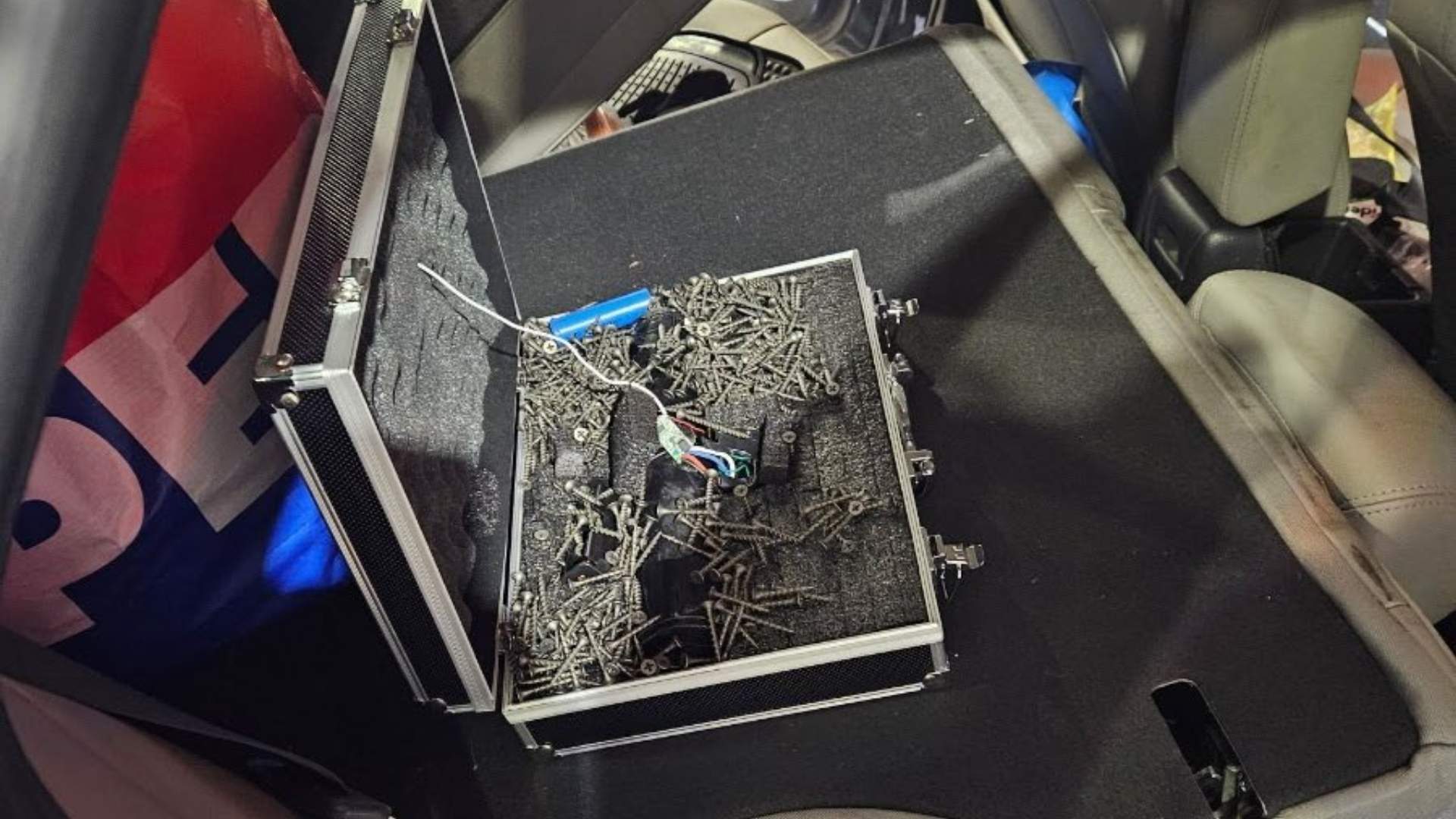
The media cycle loves a "homemade bomb" story. It is the perfect cocktail of suburban fear and law enforcement heroism. When the RCMP announced they found an improvised device packed with screws during a routine arrest in Sherwood Park, the headlines wrote themselves. The narrative was set: a catastrophe averted, a dangerous criminal off the streets, and a community saved from the brink.
But if you look past the breathless reporting, you find a story that isn't about explosives at all. It is about the systemic failure of how we categorize risk and the lazy reporting that allows "improvised explosive device" (IED) to become a catch-all term for anything that looks scary under a flashlight.
The Myth of the Tactical Mastermind
Standard reporting paints these incidents as the work of sophisticated actors. It implies a level of intent and capability that rarely exists in reality. Most "bombs" found during drug-related or low-level criminal arrests are not instruments of mass destruction. They are crude, unstable, and often more dangerous to the person carrying them than to the general public.
By framing this as a "bomb discovery," the media elevates a common criminal to the status of a domestic threat. This isn't just a semantic argument. When we mislabel the nature of the threat, we misallocate resources. We pour millions into "anti-terror" training and high-tech disposal units while ignoring the localized, gritty reality of the mental health and addiction crises that actually fuel these desperate, amateurish attempts at weaponry.
Screws and Shrapnel The Low Rent Fear Factor
The mention of "screws" in the device is a deliberate choice. It’s meant to evoke images of professional-grade shrapnel. In reality, adding hardware to a poorly constructed explosive device often makes it less effective, not more.
High-order explosives require precise engineering. When an amateur stuffs a pipe with low-grade propellant and a handful of deck screws, they aren't creating a precision weapon. They are creating a heavy paperweight that is as likely to fizzle out as it is to do anything else. Yet, the "shrapnel" narrative is a powerful tool for law enforcement to justify the intensity of their response.
I have seen the internal reports from dozens of these "interdictions." The gap between the "ticking time bomb" described to the press and the actual seized evidence—usually a mess of duct tape and sparklers—is wide enough to drive a tactical vehicle through.
The Problem with the Hero Narrative
Every time a "device" is neutralized, the police get a win. The public feels safer. The budget for next year is secured. This is the "lazy consensus" of public safety: if the police say it was a bomb, it was a bomb, and we should be grateful.
But we have to ask why these devices are appearing in Sherwood Park in the first place. Is it a rise in extremist ideology? Unlikely. Is it a symptom of a desperate underclass experimenting with DIY defense because they live in a world governed by violence? Much more likely.
When we focus on the object—the bomb—we ignore the person holding it. We treat the symptom and congratulate ourselves while the underlying disease rots. A "superior" approach to public safety would involve dismantling the socio-economic conditions that make a man think a pipe full of screws is his best option for survival or leverage.
The Cost of False Alarms
There is a tangible cost to the "bomb" rhetoric.
- Desensitization: When every firecracker with a fuse is treated like a C4 charge, the public stops paying attention to actual, high-level threats.
- Legal Overreach: Using the term "explosive device" allows for charges that carry massive mandatory minimums, often used as leverage to force plea deals on individuals who need treatment, not a decade in a federal cell.
- Budgetary Bloat: Specialised units are expensive. Maintaining the "need" for these units requires a steady stream of "threats" to neutralize.
Why Your Intuition is Wrong
You probably think that more "bomb" arrests mean a safer city. You’re wrong. More "bomb" arrests mean we are failing to catch the escalation before it reaches the point of hardware.
If a criminal in Sherwood Park is at the stage where they are carrying an IED, the system has already failed ten times over. The arrest isn't a victory; it's a late-stage intervention for a terminal patient. We are celebrating the fact that the doctor showed up to sign the death certificate.
The Real Threat is Competence
The most dangerous people don't carry bombs with screws in them. They carry legal permits, they work within systems, and they don't get caught during "routine arrests." The obsession with the amateurish "homemade bomb" is a distraction from the much more complex, much more integrated threats to our communal stability.
Stop reading the headlines that want you to be afraid of the guy with the duct tape. Start looking at the agencies that need you to be afraid of him to justify their own existence.
The device in Sherwood Park wasn't a threat to the fabric of society. It was a cry for help from a broken system, repackaged as a victory for the evening news.
Demand better data. Demand more nuance. Stop buying the fear.