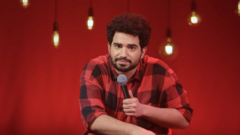
He walked onto the stage and the room went cold. You know that silence. It isn't the respectful kind where people wait for a punchline. It’s the heavy, suffocating quiet of a crowd that has already decided they don't like you. A few years ago, one poorly timed, tasteless joke nearly erased a decade of work for this comedian. One minute he was a headliner, and the next, he was a cautionary tale in a viral thread.
Most people think "cancel culture" is just a buzzword. For those in the crosshairs, it's a very real career blackout. But now, he’s back. He isn't apologizing anymore, and he isn't playing it safe either. He's leaning into the tension. It raises a massive question for anyone who cares about entertainment. How do you recover when the internet decides you're done? And more importantly, should we even want a world where comedians are afraid to fail? Learn more on a connected subject: this related article.
The Anatomy of a Career Crash
Comedy lives on the edge. If you don't push, you aren't funny. But when you push and miss, the fall is fast. In this specific case, the joke didn't just miss the mark. It hit a nerve that the public wasn't ready to let go of. Social media acts like an accelerant. A clip gets stripped of its context, shared by people who weren't in the room, and suddenly a three-second lapse in judgment defines a whole life.
I’ve seen this happen to writers, actors, and public figures across every industry. The pattern is always the same. First comes the clip. Then the outrage. Then the brands pull out. By day three, you're a pariah. Most people just disappear. They delete their accounts and hope everyone forgets. But this comedian did something different. He waited. He stayed quiet until the screaming stopped, and then he started over in the smallest rooms possible. Further journalism by Rolling Stone explores related perspectives on the subject.
Why Staying Safe Is Killing Humour
If you look at the current comedy specials on big streaming platforms, you'll notice a trend. Everyone is terrified. Jokes are scrubbed, polished, and tested until they're basically harmless. They’re boring. We’re losing the grit that made stand-up vital.
When this comedian returned to the stage, he didn't try to be "nicer." He actually got sharper. He understood something that most of his critics don't. You can't please people who are looking for a reason to be offended. His new set addresses the scandal head-on, but not with a whimpering apology. He mocks the situation. He mocks himself. He even mocks the audience for being so sensitive.
It’s a risky move. It could have ended his comeback before it started. Instead, it did the opposite. It built a new, more loyal audience. People are tired of being lectured. They want to laugh at things they aren't "supposed" to talk about. That’s the entire point of the craft.
The Reality of the Second Act
Coming back isn't about getting your old life back. That’s a mistake many people make. They want the same sponsors and the same TV deals. That's gone. The "new" career is built on independence.
Look at how the industry shifted between 2022 and 2026. The gatekeepers lost their power. You don't need a network to find an audience. You need a camera and a platform that won't pull your plug the moment someone complains. This comedian stopped looking for permission. He started self-producing. He went straight to the fans who didn't care about the controversy.
What You Can Learn From the Fallout
- Own the mess. If you try to hide a mistake, it grows. If you stand in the middle of it and say, "Yeah, I said it, it was a bad joke, let's move on," you take the power away from the mob.
- Context is everything. The reason his new material works is because he builds a relationship with the room first. You can say almost anything if the audience trusts your intent.
- Niche is safer than broad. Trying to be "the most famous person" makes you a target. Being "the favorite person for a specific group" makes you bulletproof.
The Line Between Offensive and Unfunny
Let’s be honest. Sometimes a joke is just bad. We often confuse "offensive" with "lazy." A lot of the stuff that gets people in trouble isn't actually brave or subversive. It’s just hacky.
The comeback succeeded because the new material was objectively better. It was smarter. He used the pain of being "canceled" to fuel a deeper level of observation. He stopped punching down and started punching at the absurdity of the whole situation.
There's a lesson here for anyone in a creative field. Your mistakes don't have to be the end of the story. They can be the inciting incident for a better second chapter. But you have to be willing to be disliked for a while. You have to sit in that cold room and keep talking until you find the laugh again.
If you're worried about your own reputation or a project that went sideways, stop looking at the critics. Look at the people who are still showing up. Focus on them. Build something for the people who actually get what you're trying to do. The loudest voices on the internet rarely represent the majority. They just represent the most bored.
Go back to the basics. Do the work in small rooms. Don't ask for your old seat back. Build a better one. The world is always going to have people waiting for you to trip. Give them something else to talk about instead.